Discover the Cyclades
Businesses, flavours and experiences across all the islands — choose a category.






Are you a business in the Cyclades?
List it for free and showcase it to thousands of visitors.
List now →
Businesses, flavours and experiences across all the islands — choose a category.
List it for free and showcase it to thousands of visitors.
List now →
Businesses, flavours and experiences across all the islands — choose a category.
List it for free and showcase it to thousands of visitors.
List now →
A small cosmopolitan gem — sea caves and golden beaches
Antiparos (ancient Oliaros, a name possibly of Phoenician origin) has always been closely linked to neighboring Paros, from which it is separated by a narrow, shallow strait. As early as the 3rd millennium BC the wider area experienced the Cycladic Civilization, while the famous Cave was known and visited since antiquity, as attested by the inscriptions carved into its walls.
Nearby Despotiko emerged as an important religious center: there, at the site of Mandra, a large sanctuary dedicated to Apollo operated during the archaic period (7th–6th century BC), which is being revealed today by excavations — one of the most significant archaeological projects in the Cyclades.
After the Roman and Byzantine periods, the island passed to the Venetians with the Duchy of the Aegean. In the 16th century the Loredano family (and later the Sommaripa) fortified Chora by building the distinctive Kastro, with houses arranged in a circle around a central tower, as protection against frequent pirate raids.
Under Ottoman rule Antiparos remained a small agricultural and fishing island. In 1673 the French ambassador Nointel organized the legendary Christmas mass inside the Cave, an event that made it known throughout Europe and attracted travelers. Incorporated into the Greek state after the 1821 Revolution, Antiparos retained its quiet character until recent decades, when tourism turned it into a cosmopolitan yet understated destination.
Monasteries, castles, ancient towns and hiking routes.
One of the oldest and most impressive caves in the world, on the hill of Ai-Giannis at an altitude of about 170 m. Descending the steps reveals huge stalactites and stalagmites, while inscriptions left by ancient visitors can be seen on the walls — inside, on Christmas Eve 1673, the French ambassador Nointel held a midnight Christmas mass attended by hundreds.
The Venetian fortified settlement of Chora, built in the 16th century by the Loredano/Sommaripa family for protection against pirates, with houses arranged in a circular pattern around a central defensive tower.
An uninhabited islet opposite Agios Georgios, where systematic excavation is bringing to light a large archaic sanctuary of Apollo (7th–6th century BC), with temples and buildings of Parian marble being gradually restored.
The small chapel at the mouth of the Cave, which gave its name to the hill of Ai-Giannis and welcomes visitors before the descent into the cave.
The main church within the Kastro settlement, the heart of Chora's religious life.
The main church of Chora near the Kastro, with characteristic Cycladic architecture.
In Chora, with traditional objects, tools and mementos of the island's everyday life.
Scattered around the island, the old stone olive presses and windmills recall Antiparos's agricultural tradition before tourism.
At the southern tip of the island, the isolated lighthouse and the chapel of Faneromeni offer wild views over the open Aegean.
The cuisine of Antiparos is based on the sea and local farm products, with simple, authentic flavors closely tied to the culinary tradition of Paros.
Accommodation, restaurants, activities and local products of the island.
Locations come live from the official Cyclades business directory.
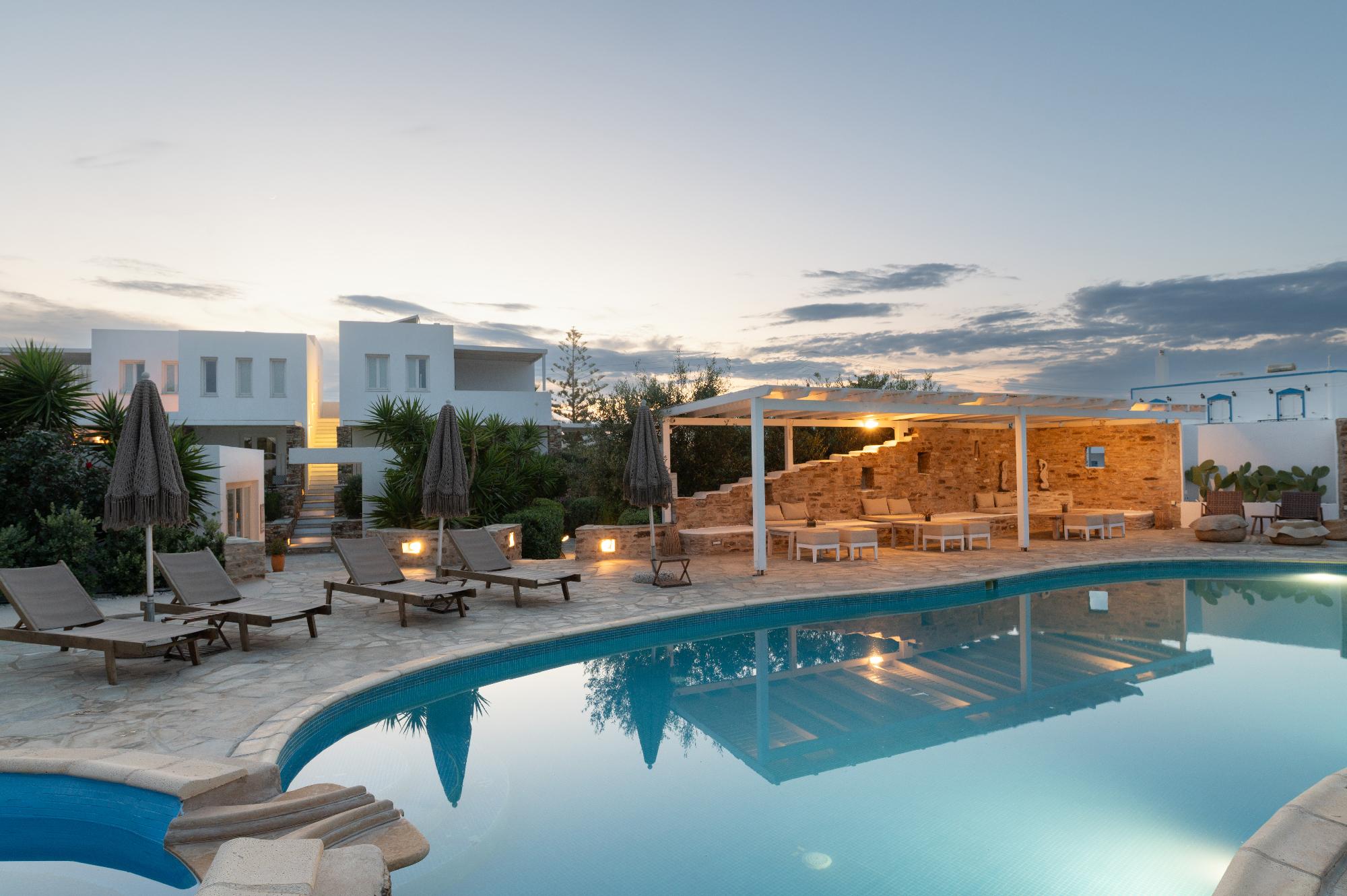 Accommodation
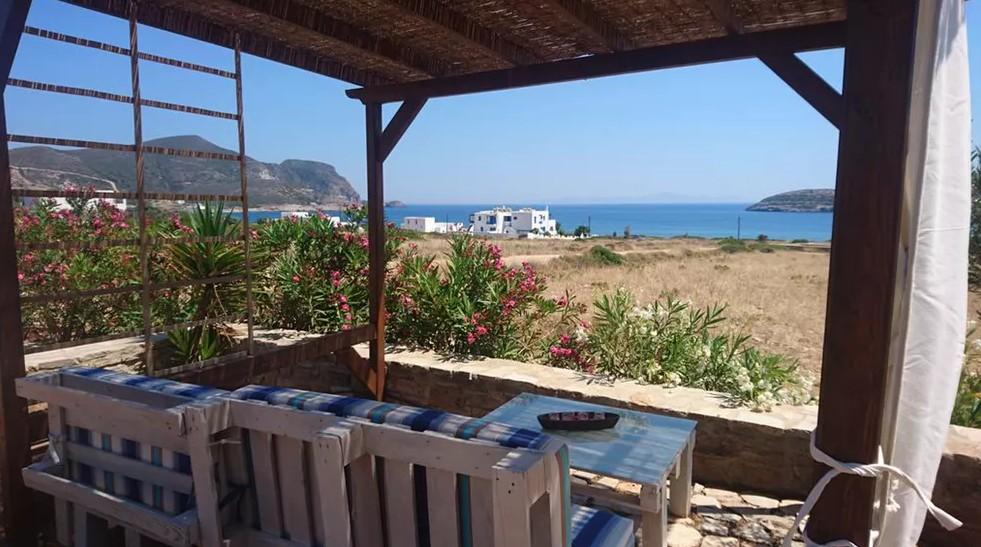 Accommodation
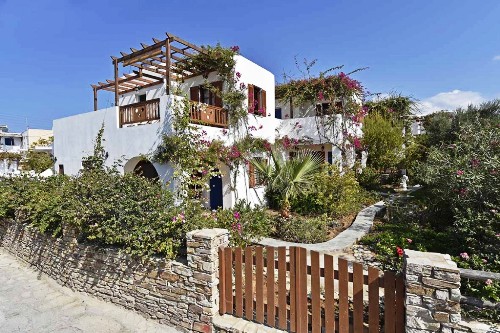 Accommodation
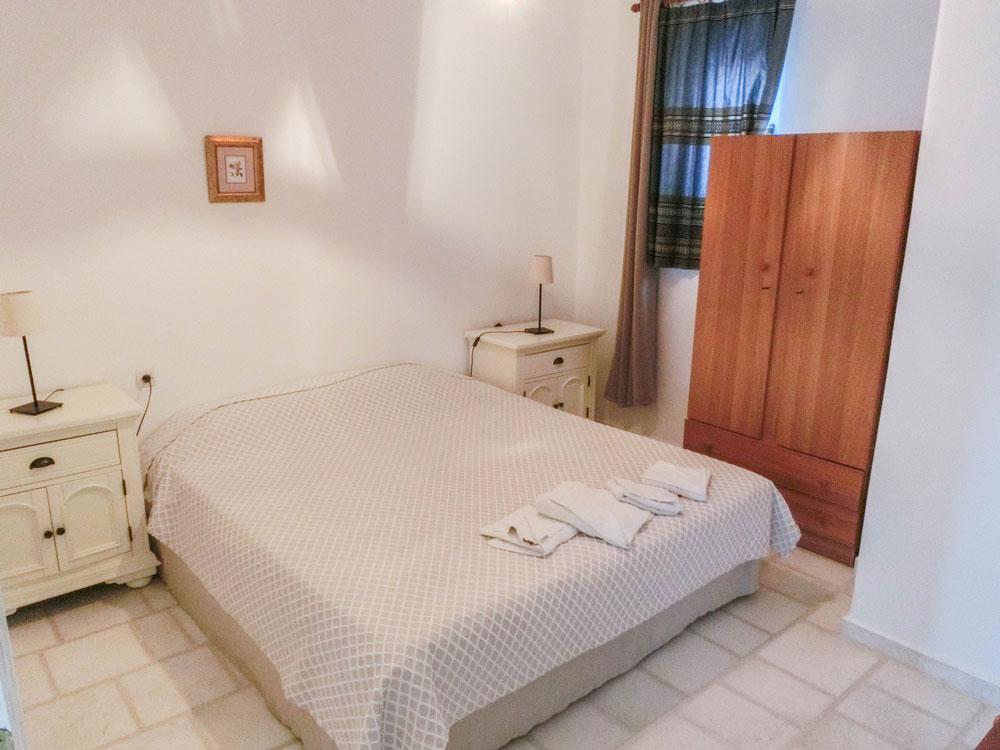 Accommodation
 Accommodation
 Accommodation
 Accommodation
 Accommodation
 Entertainment
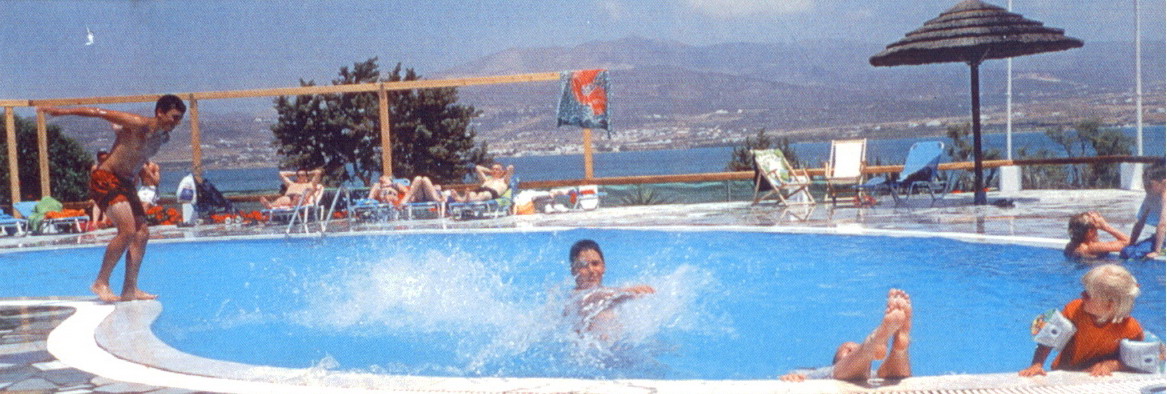 Entertainment
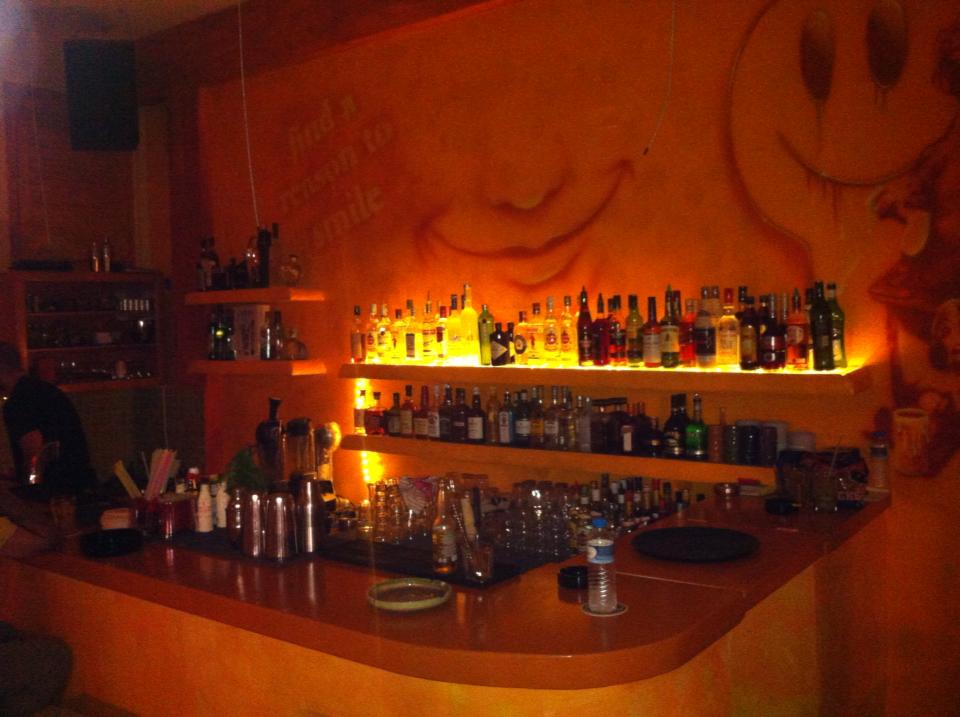 Entertainment
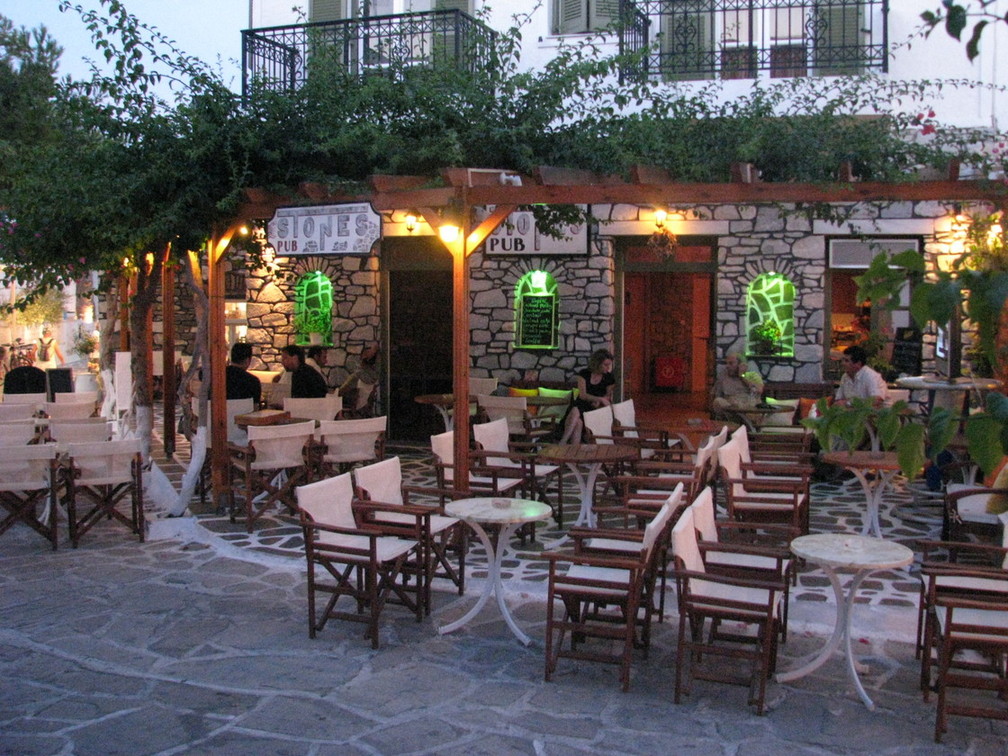 Entertainment
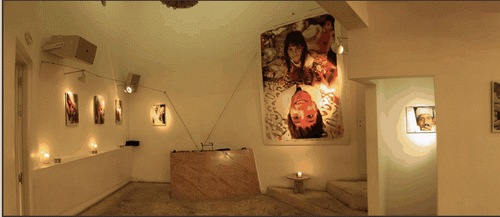 Entertainment
 Entertainment
 Activities
 Local Products
 Local Products
Next to Chora, two successive coves (Psaraliki I and II) with golden sand, tamarisk trees for shade and shallow waters — the island's closest and most popular beach.
A calm sandy beach near the harbor and the campsite, facing Sifnos, with wide shallow waters.
At the southwestern tip of the island, directly opposite Despotiko, with golden sand, small boats crossing to the islet, and fish taverns right by the water.
A large, organized sandy beach in the southeast, within a sheltered bay with shallow waters — one of the island's most popular.
A quiet sandy cove in the south, with clear shallow waters and views of Sikinos and Folegandros in the distance.
A secluded sandy beach near the chapel of Panagia, with shallow, crystal-clear waters and minimal facilities.
A shallow, sandy beach on the southwestern coast, peaceful and ideal for small children.
A quiet sandy beach at the southern tip of the island, near the chapel of the same name, in a wild and unspoiled landscape.
A small, shallow beach on the western side, sheltered and often wind-free, with calm waters.
A long sandy beach with cedar trees next to the settlement, near the campsite, with shallow waters and easy walking access from Chora.
A small, sheltered sandy beach near Chora, beside the chapel of Agios Spyridonas, with shallow, calm waters.
Antiparos has no airport; you reach it by a small ferry from Pounta Parou in about 7 minutes, with very frequent departures all day, or by the regular boat from the port of Paroikia — from Paros there is a connection to Piraeus (4–5 hours) and the other Cyclades islands.
The island is small and distances are short — a local bus connects Chora with the Cave and the southern beaches (Agios Georgios), while bicycles and motorbike or car rentals are popular; Chora is easily explored on foot.
Combine Antiparos with the neighbouring Cyclades.
Plan your own trip to Antiparos, day by day, tailored to you — with the help of the aiTripPlanner.