Discover the Cyclades
Businesses, flavours and experiences across all the islands — choose a category.






Are you a business in the Cyclades?
List it for free and showcase it to thousands of visitors.
List now →
Businesses, flavours and experiences across all the islands — choose a category.
List it for free and showcase it to thousands of visitors.
List now →
Businesses, flavours and experiences across all the islands — choose a category.
List it for free and showcase it to thousands of visitors.
List now →
The small paradise of the Cyclades with exotic turquoise waters
Koufonisia, together with Schoinousa, Iraklia, Donousa and Keros, form the cluster of the Small Cyclades, which always belonged to the sphere of influence of Naxos and Amorgos. The area has been inhabited since the depths of prehistory, with traces of human presence dating back to the Neolithic era.
The nearby island of Keros was one of the most important centers of the Cycladic Civilization (3rd millennium BC). On Keros and the neighboring islet of Daskalio, hundreds of Cycladic marble figurines were found — among them the famous sculptures of the Harp Player and the Flute Player, masterpieces that today adorn major museums. Ruins of an ancient and Roman-era settlement are also preserved on Kato Koufonisi.
In the Byzantine and medieval years the islands were almost entirely deserted, as piracy made them inhospitable. During the period of Venetian rule and the Ottoman Empire, they served mainly as pastureland and refuges for fishermen and pirates, under the dependence of Amorgos and Naxos.
Permanent settlement in Koufonisia revived in the 19th century, when fishing families settled on Pano Koufonisi. The island grew into one of the most vibrant fishing communities of the Aegean, with the largest fishing fleet in Greece relative to its population. In recent decades, its exotic beaches have turned it into a popular, youthful tourist destination, without it losing its authentic identity.
Monasteries, castles, ancient towns and hiking routes.
The picturesque fishermen's harbor, with colorful caiques tied up at the quay — a living symbol of the island's fishing tradition and the most atmospheric spot in Chora.
Along the eastern coast, striking rocks form "gremata" (cliffs), sea caves and natural pools with crystal-clear waters — ideal for swimming and exploring.
At Platia Pounta, a sea cave known as "Gala" and an impressive natural rock arch create a unique landscape for snorkeling and photography.
The uninhabited island across the water, with pristine beaches, low vegetation and the little church of Panagia — a world of serenity, just minutes away by boat.
The chapel of Panagia in the cove of the same name on Kato Koufonisi, built near the ruins of an ancient settlement — a place of pilgrimage and a major summer festival.
The uninhabited, forbidden island opposite, an extremely important center of the Cycladic Civilization (3rd millennium BC). Here the famous Cycladic figurines were found, among them the "Harp Player" and the "Flute Player."
The small rocky islet next to Keros, where excavations revealed an impressive prehistoric complex of the Early Cycladic period — one of the most significant archaeological finds in the Aegean.
The church of the island's patron saint in Chora, whose great festival brings together the whole island in celebration with music and traditional dishes.
The old stone windmill above Chora, a mark of the island's agricultural past, with a panoramic view of the harbor and the Small Cyclades.
The picturesque path that follows the eastern coast of Pano Koufonisi, linking one exotic beach to the next — the finest way to explore the island on foot.
The gastronomy of Koufonisia is inextricably linked to the sea and the island's fishing tradition — fresh fish every morning, seafood and simple, authentic Cycladic flavors.
Accommodation, restaurants, activities and local products of the island.
Locations come live from the official Cyclades business directory.
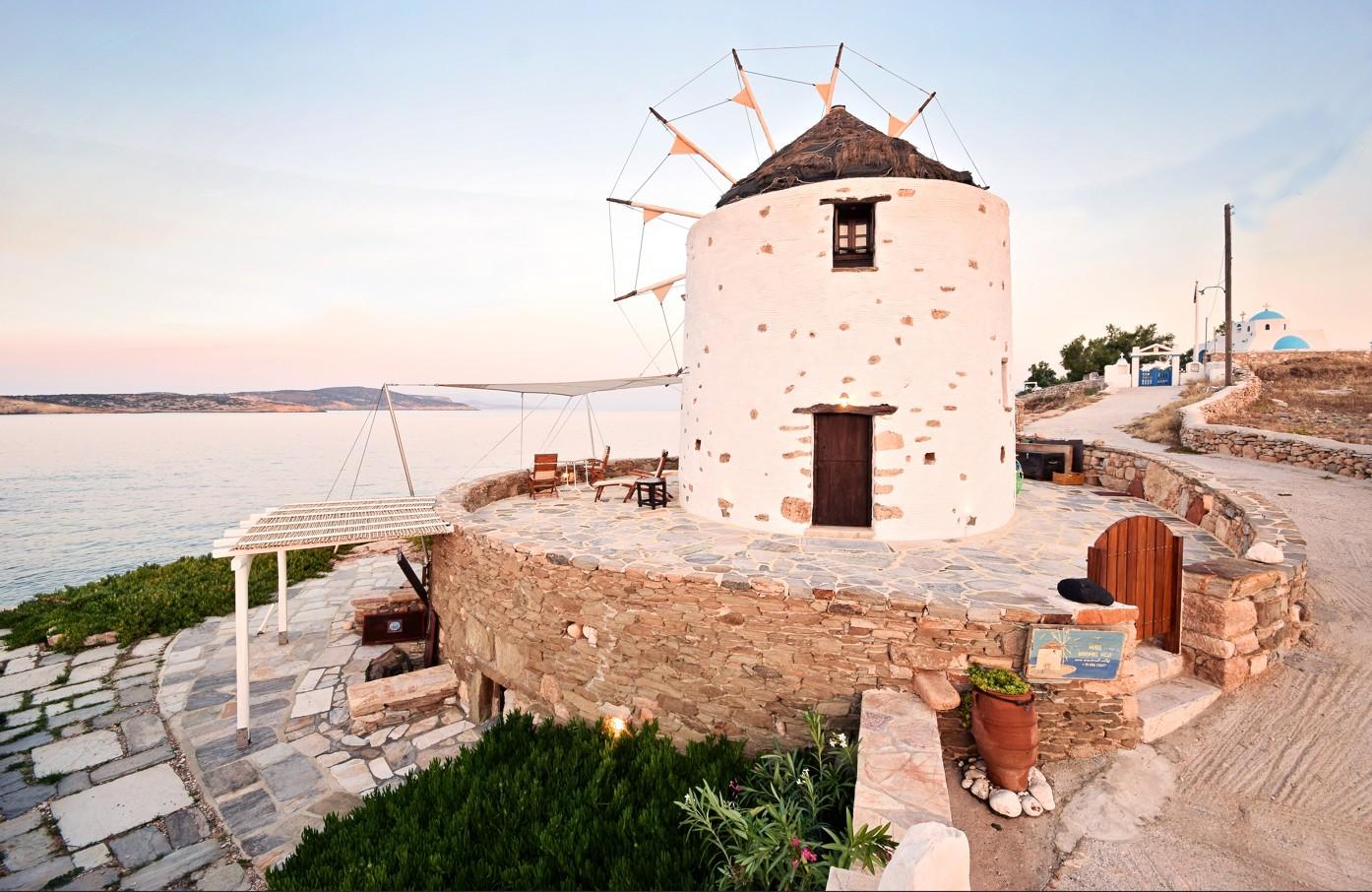 Accommodation
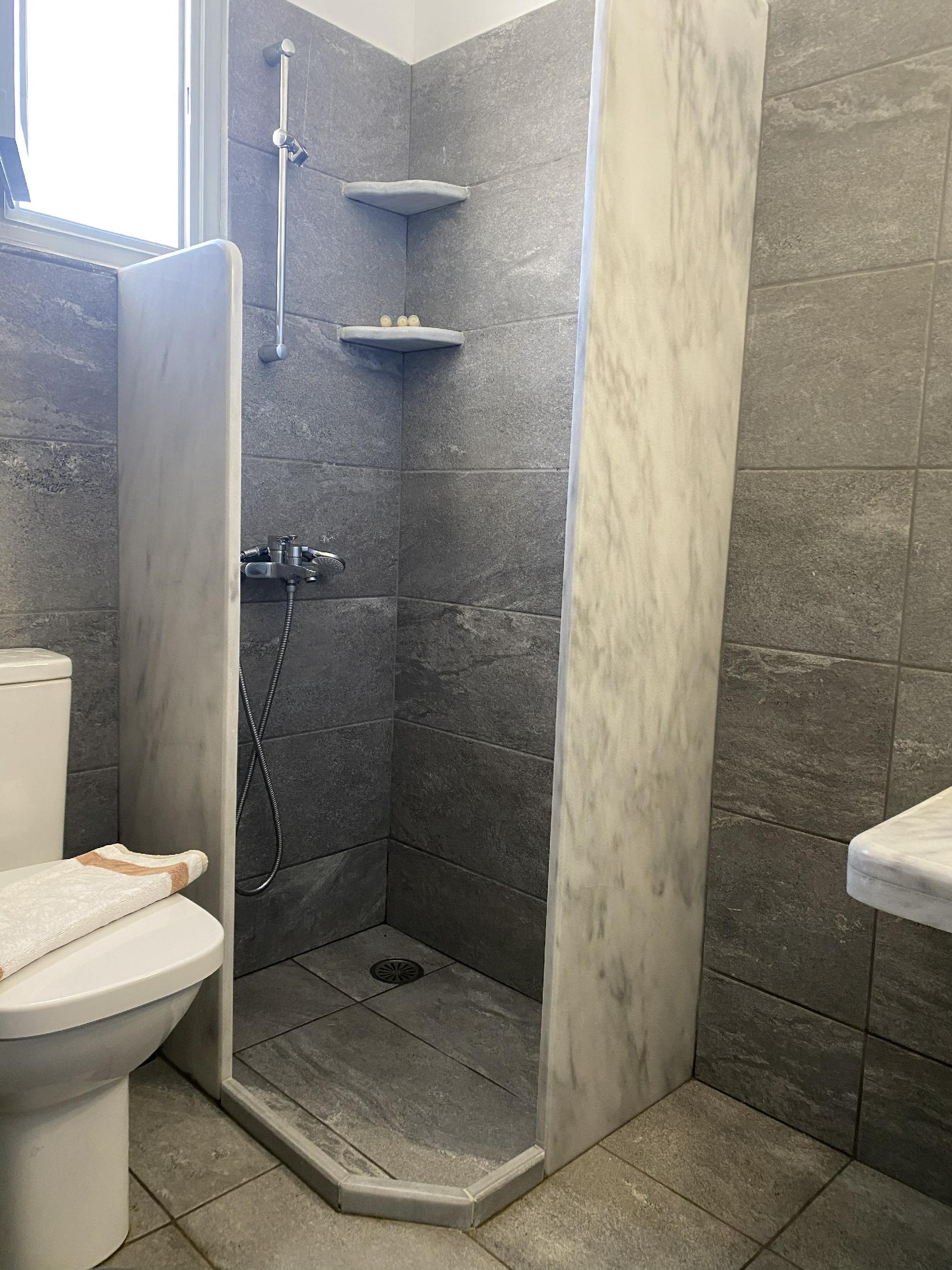 Accommodation
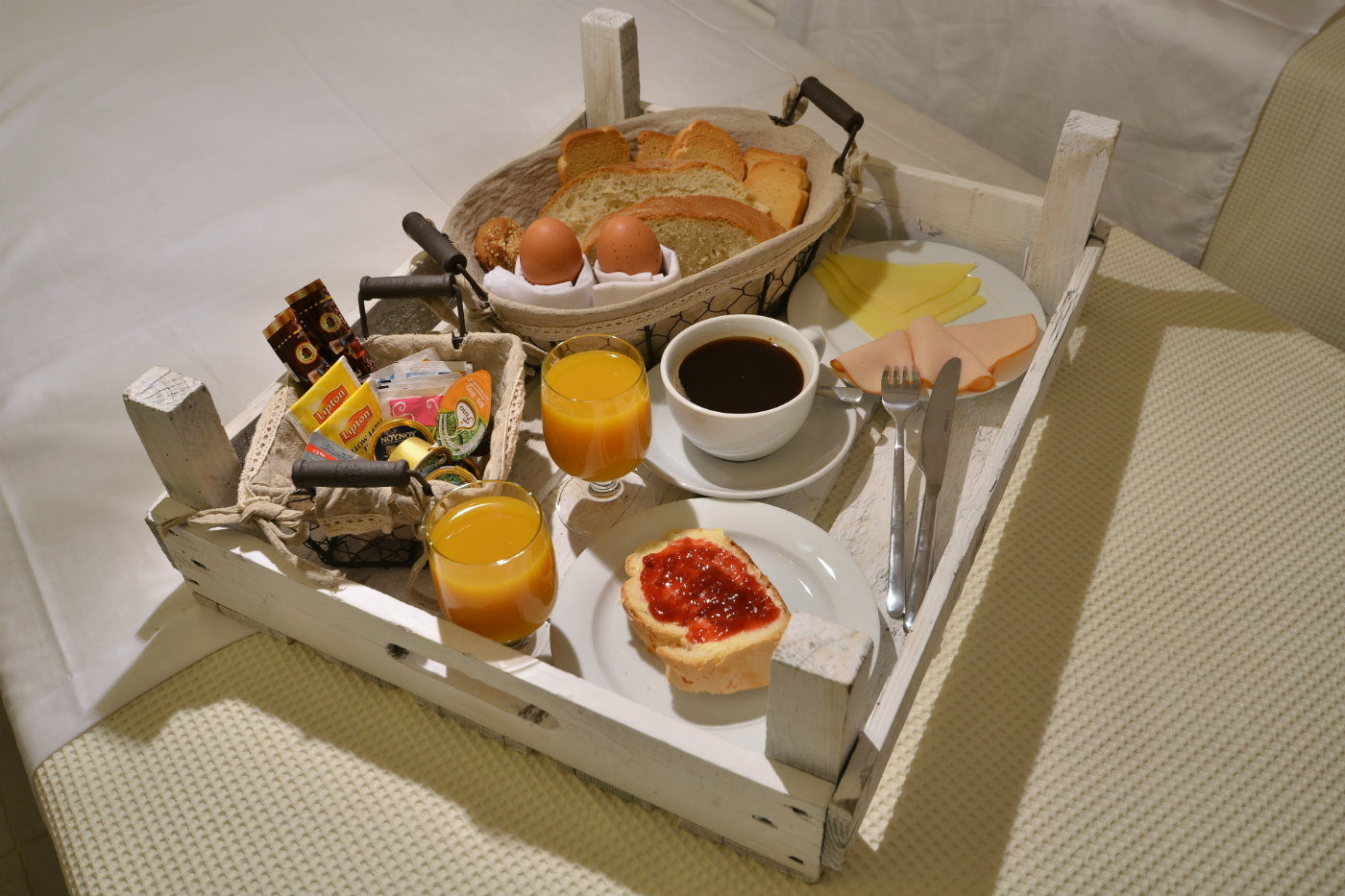 Accommodation
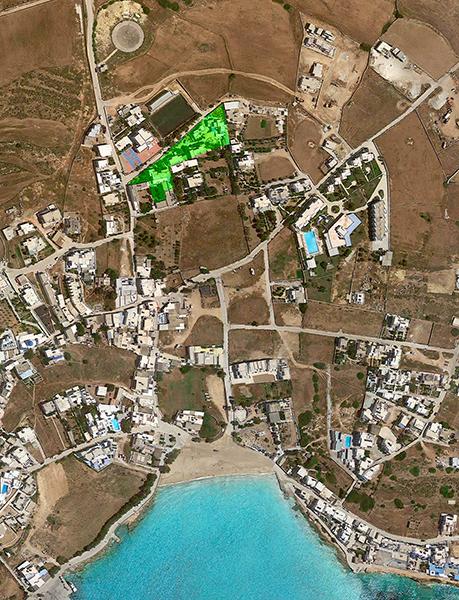 Accommodation
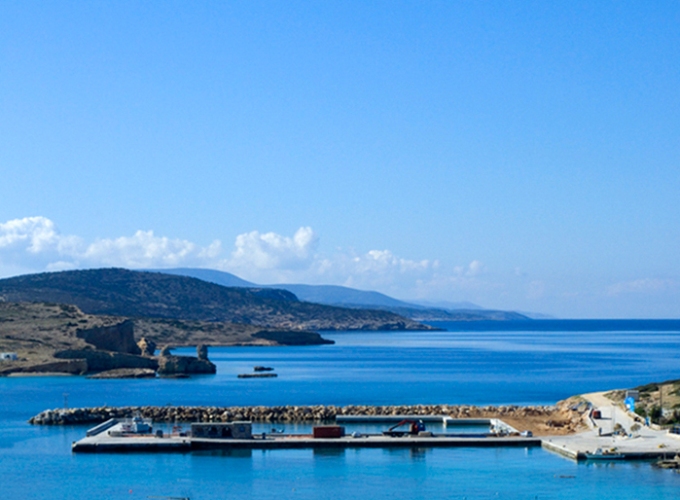 Accommodation
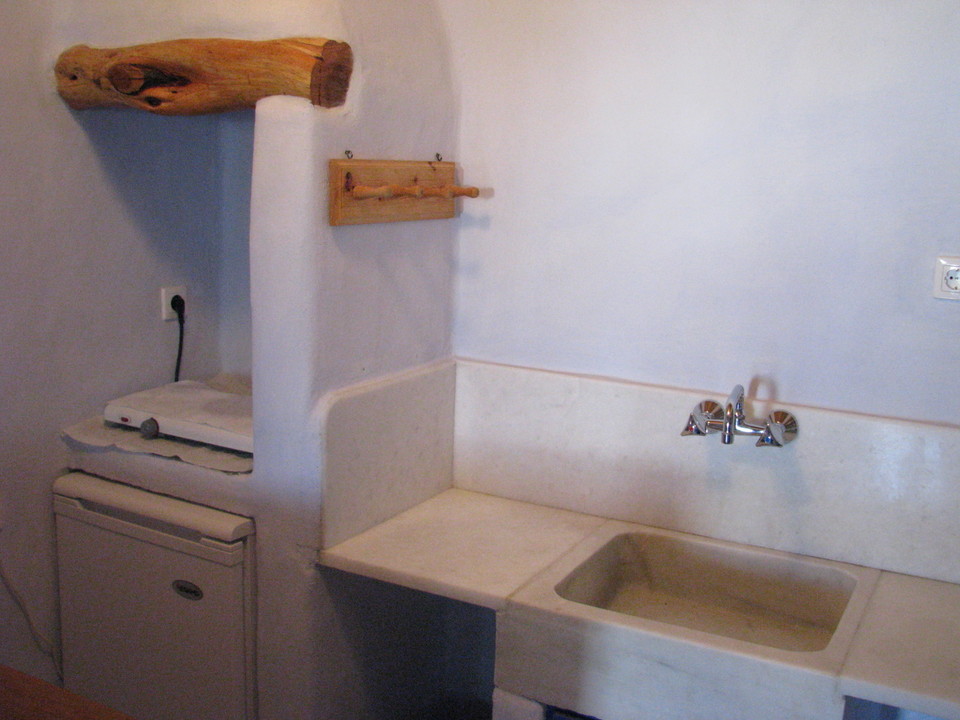 Accommodation
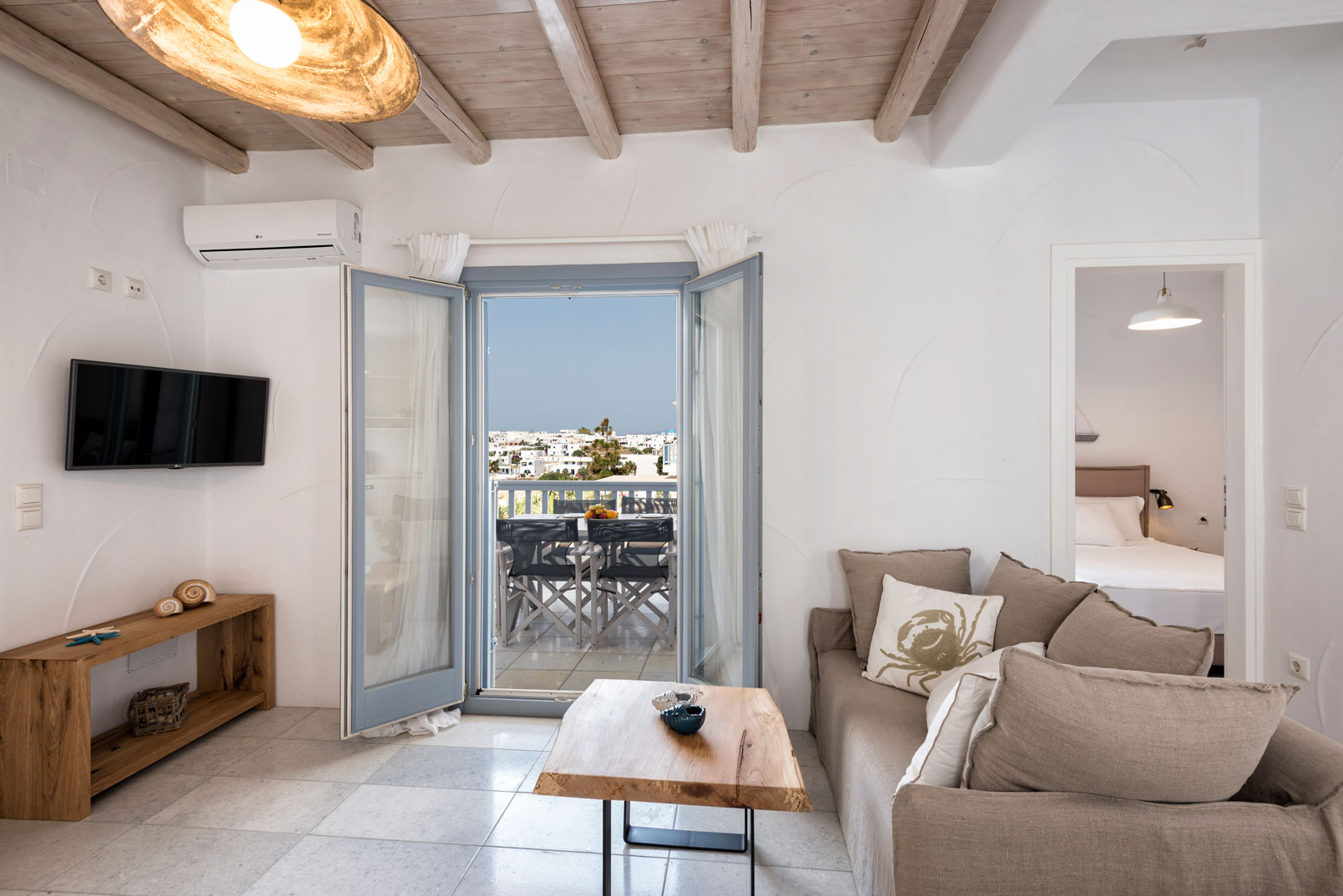 Accommodation
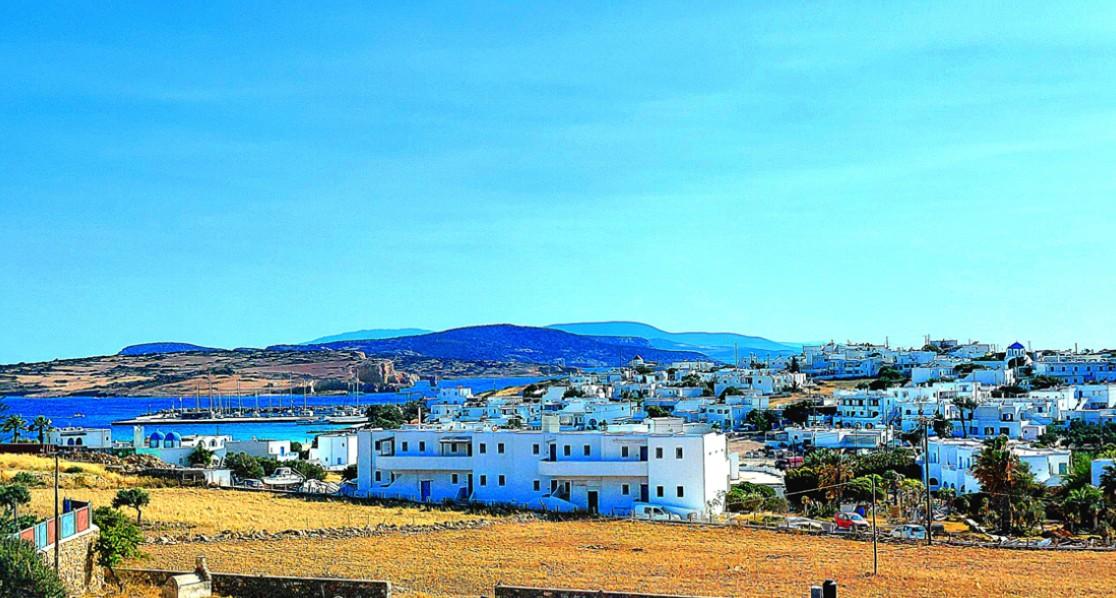 Accommodation
 Entertainment
 Entertainment
 Entertainment
 Entertainment
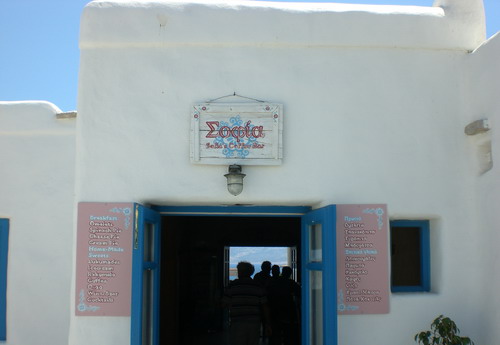 Entertainment
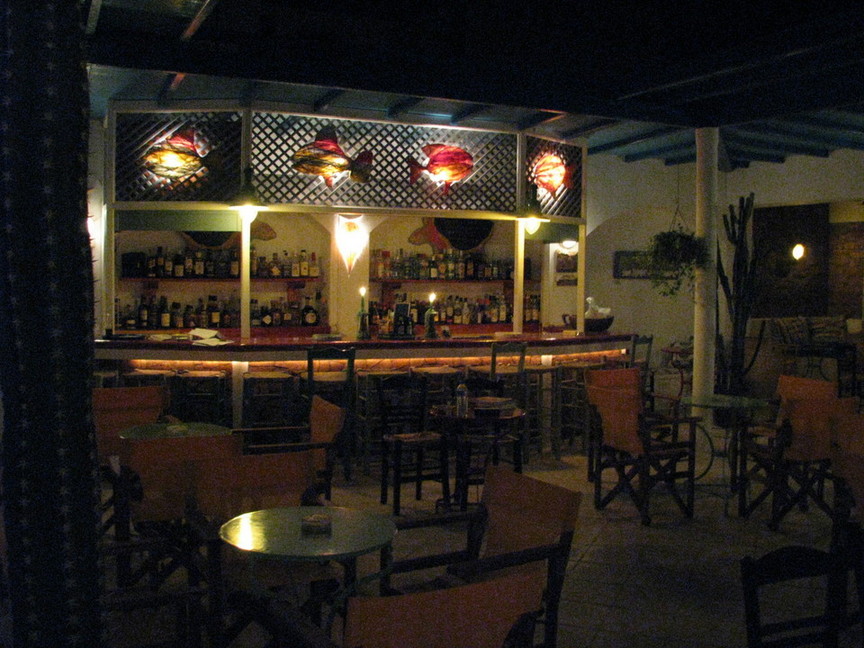 Entertainment
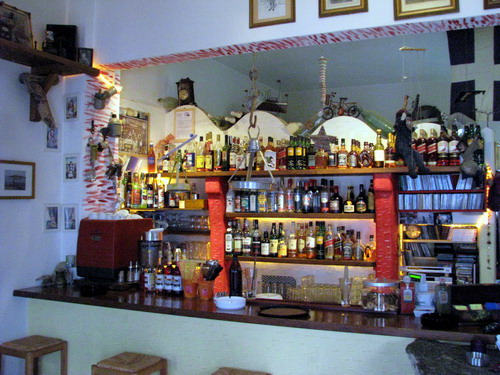 Entertainment
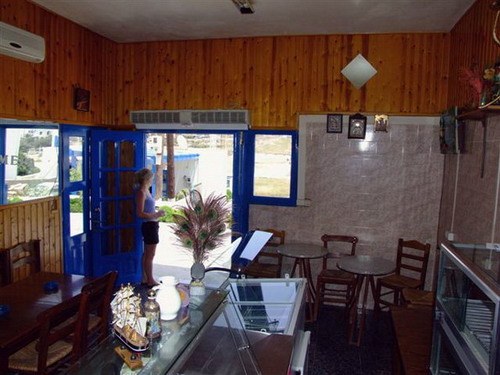 Entertainment
The closest sandy beach to Chora, right by the harbor — small, convenient and with shallow waters.
The first beach after Chora, with golden sand and blue-green waters, easily reached on foot.
A large, popular sandy beach with shallow turquoise waters, right on the coastal path.
The island's most famous beach, with golden sand, tamarisk trees for shade and exotic turquoise waters, close to Chora.
An impressive rocky landscape with the sea cave known as "Gala," a natural arch and blue natural pools — ideal for swimming and snorkeling.
Also known as Foneas, with natural pools among the rocks and crystal-clear, shallow waters.
The largest and most exotic sandy beach, at the island's northeastern tip — vast golden sand and deep turquoise water.
A small, secluded cove near Pori, with calm waters for those seeking solitude.
A deserted sandy beach on uninhabited Kato Koufonisi, with crystal-clear waters — reached by boat from Chora.
The tranquil cove with the little church of Panagia on Kato Koufonisi, with shallow waters and a taverna right by the shore.
A quiet sandy beach on the western side of the island, at the start of the southern coast, away from the busy coastal path.
Koufonisia has no airport. It is connected by ferry to Piraeus (often via Naxos) and is part of the Small Cyclades line, with regular routes to and from Naxos, Amorgos and the neighboring islands (Schoinousa, Iraklia, Donousa).
Pano Koufonisi is tiny and flat — everything is done on foot or by bicycle, following the coastal path. For Kato Koufonisi and the remote beaches, local caiques run daily routes from Chora.
Combine Koufonisia with the neighbouring Cyclades.
Plan your own trip to Koufonisia, day by day, tailored to you — with the help of the aiTripPlanner.