Discover the Cyclades
Businesses, flavours and experiences across all the islands — choose a category.





Are you a business in the Cyclades?
List it for free and showcase it to thousands of visitors.
List now →
Businesses, flavours and experiences across all the islands — choose a category.
List it for free and showcase it to thousands of visitors.
List now →
Businesses, flavours and experiences across all the islands — choose a category.
List it for free and showcase it to thousands of visitors.
List now →
The noble capital of the Cyclades
The history of Syros begins in the depths of prehistory. As early as the 3rd millennium BC, the proto-Cycladic settlement of Chalandriani and the fortified Kastri attest to a flourishing society, marked by the famous "frying-pan" vessels and Cycladic figurines.
In classical times the island took part in the Athenian Alliance, and gave birth to the philosopher Pherecydes, teacher of Pythagoras. Roman and Byzantine centuries followed, with pirate raids pushing the inhabitants inland.
In 1207 Syros passed to the Venetians, who established the Catholic character of Ano Syros — a distinctive feature that survives to this day. Under French and papal protection, the island enjoyed relative safety even during Ottoman rule.
Its great moment came with the Revolution of 1821: refugees from Chios, Psara, Smyrna, Kasos and Crete took refuge on Syros and founded the new city, Ermoupoli. Within a few decades it became the first port of Greece and a major commercial centre of the Mediterranean.
In the 19th century Ermoupoli led the way: in 1823 the country's first hospital was founded, in 1833 the first gymnasium of the modern Greek state, and in 1854 the first Greek steamship was built. Theatres, factories, banks and mansions made up a city that became a symbol of urban Greece.
The rise of Piraeus in the late 19th century curtailed the maritime power of Syros, yet the island remained an administrative, cultural and intellectual centre. Today Ermoupoli is the seat of the South Aegean Region and capital of the Cyclades, alive all year round, with a rich cultural and musical tradition.
Monasteries, castles, ancient towns and hiking routes.
Built in 1864 to designs by Pietro Sampo, the Apollon Theatre is considered a miniature of Milan's La Scala. A symbol of Ermoupoli's cultural golden age, it still hosts opera and theatre performances today.
The heart of Ermoupoli, paved in marble, with the statue of Admiral Miaoulis. It is dominated by the imposing Town Hall (1876–1898), the work of German architect Ernst Ziller.
The aristocratic quarter of shipowners and merchants, with neoclassical mansions built literally above the sea and the magnificent church of Saint Nicholas.
The Catholic cathedral atop the hill of Ano Syros. From its courtyard unfolds one of the most impressive views in all the Cyclades.
Dedicated to the "patriarch of rebetiko", who was born in Ano Syros. Exhibits, photographs and his legendary bouzouki recall the island's folk music tradition.
Housed in old factories, it tells the industrial and maritime history of Ermoupoli through more than 300 historical machines.
One of the oldest in Greece, it hosts finds from the proto-Cycladic settlement of Chalandriani and the fortified Kastri.
An early 20th-century Orthodox church in the Vaporia quarter, one of the largest in Greece, with an ornate marble iconostasis.
In Ermoupoli, the Church of the Dormition houses the renowned icon 'The Dormition of the Virgin' by Domenikos Theotokopoulos (El Greco) — one of his few works in Greece.
The first Orthodox church of Ermoupoli (1824), a three-aisled basilica with a dome in the heart of the city.
The Catholic cathedral of Ermoupoli — testimony to Syros's long Catholic tradition.
In Ano Syros, the historic monasteries of the Jesuits (Our Lady of Mount Carmel, 1740) and the Capuchins (St. John, 1635), with rare libraries and manuscripts.
Housed in the old Customs buildings (1834) next to the harbor, it hosts contemporary art exhibitions.
A Byzantine-style church on Dili Hill (Vrontado), with panoramic views of Ermoupoli and the Aegean.
A women's Orthodox monastery near Kini, with a historic weaving workshop and looms.
A stone complex from 1834 in the southern harbor, which functioned as a quarantine station and later as a prison — a testament to Syros's maritime history.
Syros has its own distinct gastronomic identity — at once urban and islander.
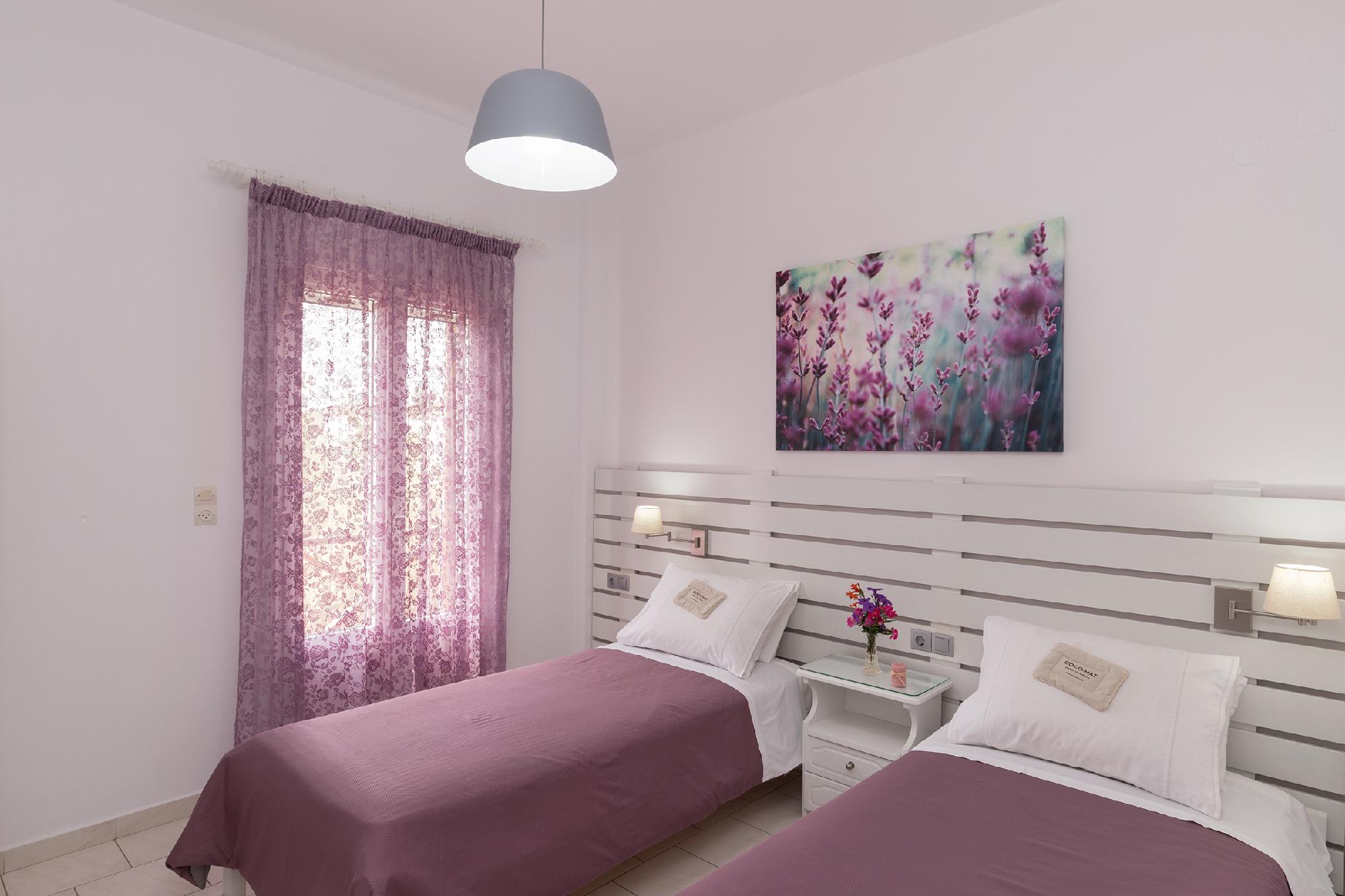
Accommodation, restaurants, activities and local products of the island.
Locations come live from the official Cyclades business directory.
 Accommodation
 Accommodation
 Accommodation
 Accommodation
 Accommodation
 Accommodation
 Accommodation
 Accommodation
 Entertainment
 Entertainment
 Entertainment
 Entertainment
 Entertainment
 Entertainment
 Entertainment
 Entertainment
 Activities
 Activities
 Activities
 Activities
 Local Products
 Local Products
 Local Products
 Local Products
 Local Products
 Local Products
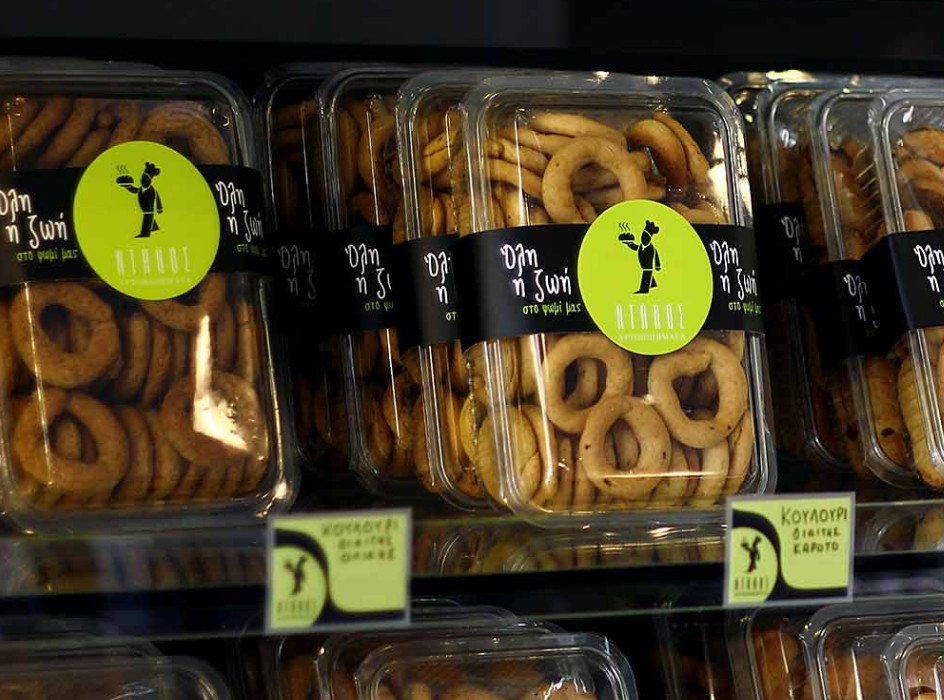 Local Products
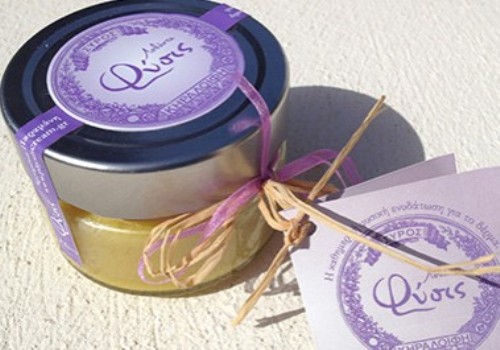 Local Products
The largest and best-equipped beach on the island, with water sports and tavernas.
A picturesque fishing village with a sandy beach and a magical sunset over the sea.
A sandy beach in the east, with tavernas and bars right by the water.
An organized beach with natural shade on the southern side of the island.
An organized, shaded sandy beach with water sports, next to Komito.
A sheltered, shaded cove with sand and pebbles.
A beach in the south-western harbour, with excellent facilities.
A small sandy beach in the aristocratic south of Syros.
An enclosed, shallow bay — ideal for families.
A lacy shore with sand and pebbles and quiet little coves.
A quiet beach in the west, with a taverna by the water.
A sheltered sandy beach, one kilometre south of Kini.
A small, quiet beach with sand and pebbles in the south.
A secluded beach with sand and pebbles in the south-west.
A wild, impressive cove with ancient inscriptions carved into the rocks.
A remote, pristine beach on the north-western tip of the island.
A deserted pebble beach in the far north, reached by boat or on foot.
Next to Galissas, a small sheltered pebble beach with crystal-clear waters — also known as the nudist beach.
A picturesque, secluded beach in the south, with pebbles and pristine waters.
A quiet sandy beach near Vari, with shallow waters, ideal for families.
A remote beach on the northwest coast, accessible mainly by boat, with wild beauty.
A deserted beach on the wild northwest coast of Syros, for those seeking absolute tranquility.
In the heart of Ermoupoli, beneath the neoclassical mansions — dive into deep waters against a backdrop of colorful houses.
Syros is connected to Piraeus by regular ferries (2–4 hours, conventional and high-speed). As a hub of the Cyclades, it is also linked to Tinos, Mykonos, Paros, Naxos and most islands. It also has an airport, with flights from Athens.
A local bus (KTEL) connects Ermoupoli with the villages and beaches. There are taxis and car and scooter rentals, while some beaches in the north are reached by boat or on foot.
Combine Syros with the neighbouring Cyclades.
Plan your own trip to Syros, day by day, tailored to you — with the help of the aiTripPlanner.