Discover the Cyclades
Businesses, flavours and experiences across all the islands — choose a category.






Are you a business in the Cyclades?
List it for free and showcase it to thousands of visitors.
List now →
Businesses, flavours and experiences across all the islands — choose a category.
List it for free and showcase it to thousands of visitors.
List now →
Businesses, flavours and experiences across all the islands — choose a category.
List it for free and showcase it to thousands of visitors.
List now →
Tzia — the green island of oak trees and hiking trails
Kea has been inhabited since prehistoric times, as attested by the fortified settlement of Agia Irini, one of the most important centers in the Aegean during the Bronze Age (3rd–2nd millennium BC), with close ties to Minoan Crete and the Cyclades. Its sanctuary with life-sized clay female figurines remains unique in the Greek world.
In antiquity the island was divided into four city-states — Ioulida, Karthaia, Korissia and Poiessa — which flourished and took part in the Athenian Alliance. Kea gave birth to great intellectual figures: the lyric poets Simonides and Bacchylides, the sophist Prodicus and the physician Erasistratus. The carving of the legendary Lion is also dated to this period.
After the Roman and Byzantine eras, during which churches such as Panagia Episkopi were built, the island passed to the Venetians after the Fourth Crusade (1204) and was incorporated into the sphere of the Duchy of the Aegean. Ioulida was fortified with a medieval castle on the ancient acropolis, while pirate raids marked life along the coasts.
The island passed to the Ottoman Empire and in the following centuries developed a strong maritime and trading tradition, thanks to its proximity to Attica. It was incorporated into the Greek state after the 1821 Revolution, when the neoclassical buildings of Ioulida were also built. In modern times Kea, with its rural tradition, its oak forests and its trails, has become a favorite destination for hiking and quiet holidays near Athens.
Monasteries, castles, ancient towns and hiking routes.
The island's trademark. An archaic lion about 6 meters long, carved in the 6th century BC into natural rock just outside Ioulida, with its characteristic enigmatic "smile" — reached by a short walk.
The best preserved of Kea's four ancient city-states, set in an enchanting, secluded seaside landscape. The Doric temple of Pythian Apollo, a temple of Athena and sections of walls survive — accessible only by trail or by sea.
An important prehistoric Bronze Age settlement (3rd–2nd millennium BC), on a small peninsula in the bay of Vourkari, with fortifications and the well-known sanctuary with its clay female figurines.
In Ioulida, houses finds from the island's four ancient cities and the settlement of Agia Irini, featuring the unique terracotta female figurines.
At the top of the capital, remains survive of the walls and ancient acropolis of Ioulida, on which the medieval castle was later built.
An 18th-century monastery perched on a steep rock in the northeast, with impressive views over the Aegean and one of the island's largest festivals.
An impressive Hellenistic tower (4th century BC), one of the best preserved in the Cyclades, incorporated next to the monastery of the same name in the island's interior.
A row of restored stone windmills dominating the hill above the coves of Koundouros — one of Kea's most photographed sights.
An imposing 19th-century neoclassical building at the heart of the capital, adorned with ancient marble statues on its façade.
The site of another of the four ancient cities, on the western coast above Pisses beach, with surviving sections of walls and towers.
An old church in the island's interior, built with material from an early Christian basilica, bearing witness to Kea's Byzantine past.
An imposing 19th-century neoclassical building in Ioulida, the old school, which today serves as a cultural and exhibition space.
Kea's cuisine is based on its rural and livestock-farming tradition as well as the sea — local cured meats, honey, spoon sweets and fresh fish from the little harbors.
Accommodation, restaurants, activities and local products of the island.
Locations come live from the official Cyclades business directory.
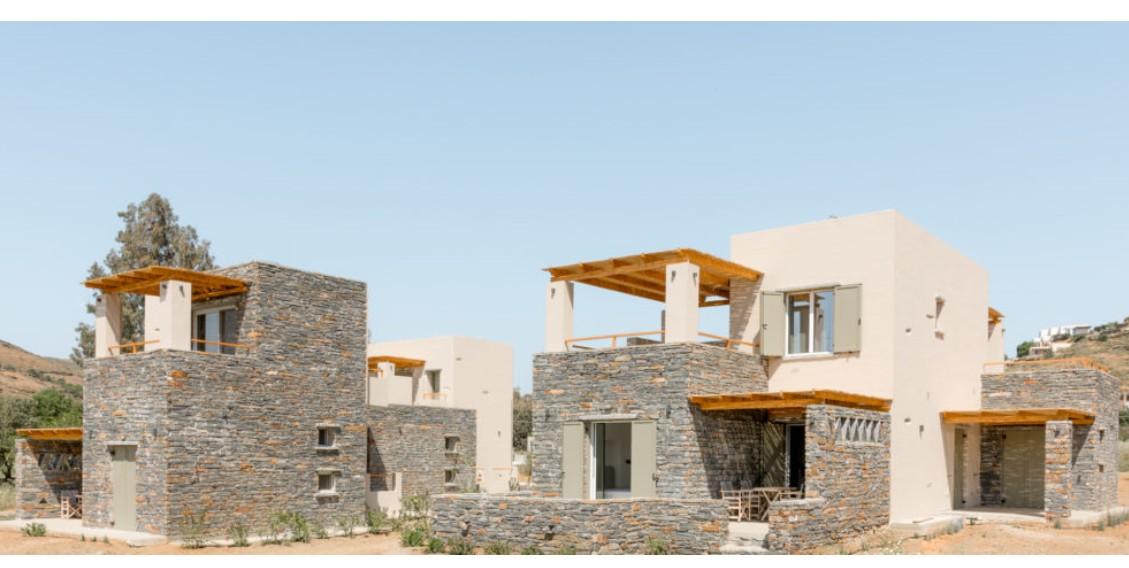 Accommodation
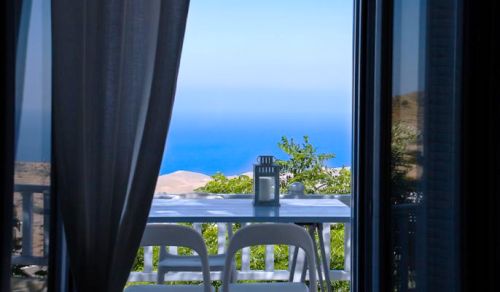 Accommodation
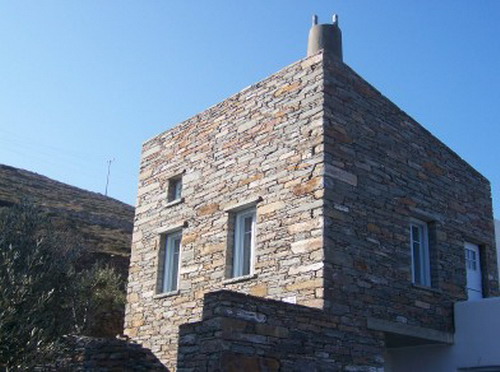 Accommodation
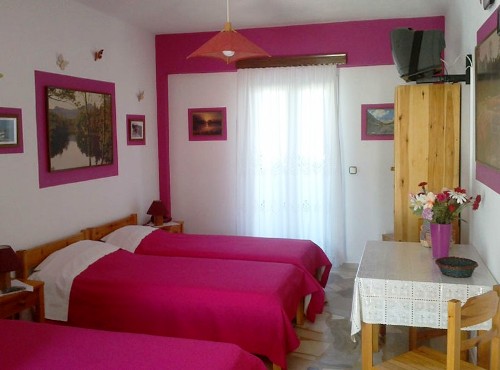 Accommodation
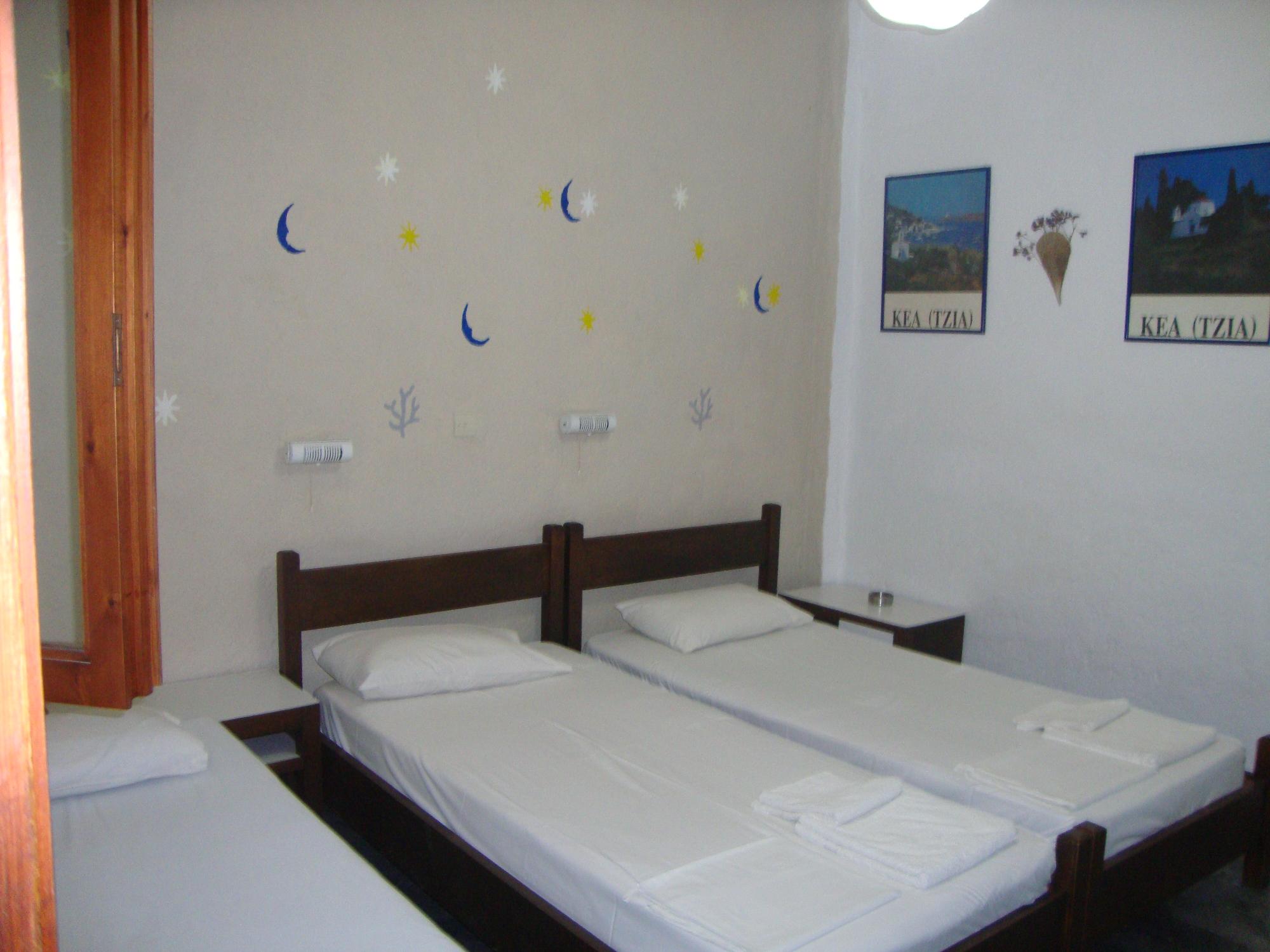 Accommodation
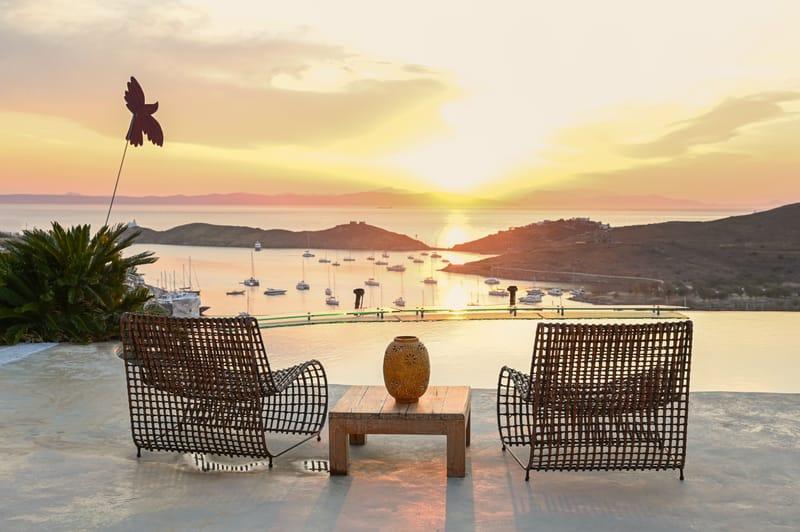 Accommodation
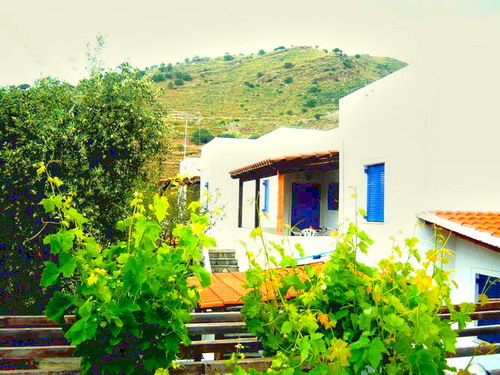 Accommodation
 Accommodation
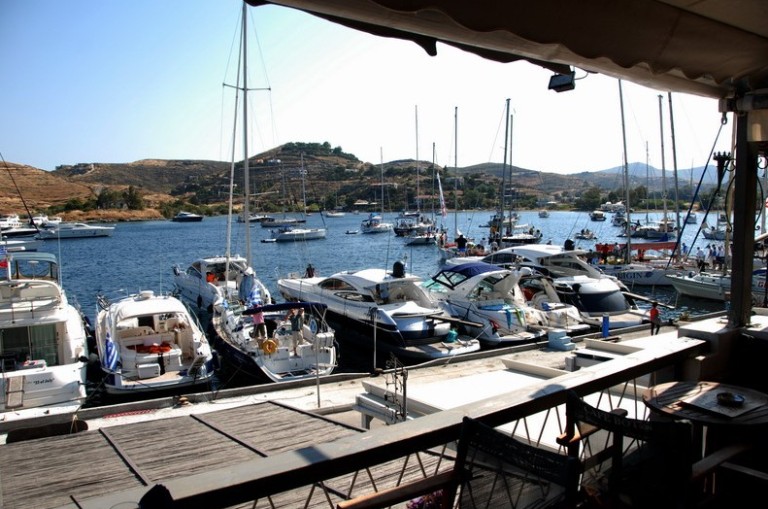 Entertainment
 Entertainment
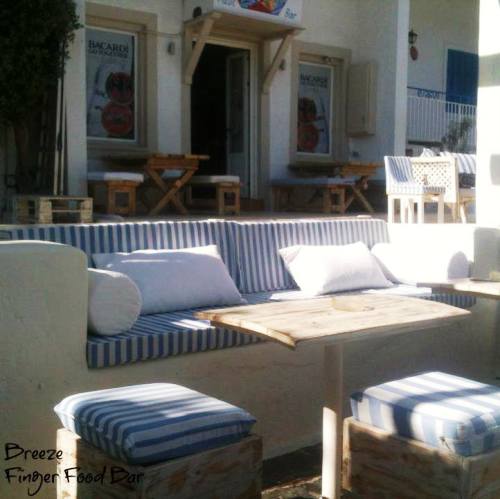 Entertainment
 Entertainment
 Entertainment
 Entertainment
 Activities
 Local Products
 Local Products
 Local Products
 Local Products
 Local Products
An organized sandy beach with shade from eucalyptus trees and shallow waters, in the northern bay near Korissia — ideal for families.
A large, sheltered sandy beach at the inner end of the northern bay, with taverns by the water's edge and calm waters.
A series of sandy coves in the southwest, with the characteristic stone windmills dominating the hill.
The island's largest beach, in the east — vast golden sand with crystal-clear, turquoise waters in a wild landscape.
A quiet, shallow sandy beach near Korissia, with few crowds and easy access.
A spacious sandy beach on the western coast, at the foot of ancient Poiessa, with a lush green valley and shady eucalyptus trees behind it.
A secluded sandy beach in the southwest, near Koundouros, with shallow clear waters and minimal facilities.
A small, welcoming beach in the northern bay, next to Otzias, with a few taverns.
A wild, secluded beach on the eastern coast, at the end of a dirt road — tranquility and deep blue waters.
A hidden, secluded beach reached by a trail — a reward for those seeking absolute quiet.
A sandy beach in the southeast with tamarisks for shade and a single tavern, quiet and away from the crowds.
A secluded sandy beach on the east coast, near ancient Karthaia, with golden sand and clear waters at the end of a dirt road.
A small sandy cove in the north, quiet and sheltered, ideal for a relaxed swim away from the crowds.
Kea has no airport. It is connected daily, several times a day, by ferry with Lavrio (just ~1 hour) — it is the closest Cycladic island to Attica, ideal for a quick getaway.
A local bus connects Korissia with Ioulida and the main beaches, while a rental car or scooter is convenient for the more secluded beaches and villages. The excellent trail network makes the island ideal for exploring on foot.
Combine Kea with the neighbouring Cyclades.
Plan your own trip to Kea, day by day, tailored to you — with the help of the aiTripPlanner.