Discover the Cyclades
Businesses, flavours and experiences across all the islands — choose a category.






Are you a business in the Cyclades?
List it for free and showcase it to thousands of visitors.
List now →
Businesses, flavours and experiences across all the islands — choose a category.
List it for free and showcase it to thousands of visitors.
List now →
Businesses, flavours and experiences across all the islands — choose a category.
List it for free and showcase it to thousands of visitors.
List now →
The island of Homer and youth — golden beaches, carefree living
Ios has been inhabited since the Neolithic era and especially the Early Cycladic period (3rd millennium BC), as attested by the significant, award-winning settlement of Skarkos, one of the best-preserved in the Aegean. During the Minoan era the island received influences from Cretan and Cycladic culture, before the Ionians and Dorians settled here around 1100 BC.
In antiquity, the name of Ios was inextricably linked with Homer: according to tradition, his mother came from the island, and here he died and was buried, at the site of Plakoto. In the classical period Ios was a member of the Athenian League, and traces of ancient temples, an aqueduct and fortifications survive.
In medieval times the island was fortified at Paleokastro, and in 1397 the Venetian lord Marco Crispo reinforced the walls of Chora. In 1537 Ios passed to the Ottoman Empire; thanks to its safe harbor it was called "Little Malta". Ios actively took part in the Revolution of 1821, and Spyridon Valetas, the first Minister of Education of the newly-formed Greek state, came from Ios.
In modern times, from the 1960s-70s, Ios became a magnet for hippies and later a symbol of the Cyclades' youth nightlife. In recent decades it has steadily upgraded as a quality tourist destination, combining its liveliness with respect for its natural beauty and historical heritage.
Monasteries, castles, ancient towns and hiking routes.
At the northern tip of the island, at the site of Plakoto, tradition places the tomb of Homer — the greatest poet of antiquity, who according to the ancients died on Ios while traveling from Samos. Every May, the "Omereia" are held in his honor, a cultural festival under the auspices of UNESCO.
Just outside Chora, one of the most important prehistoric settlements of the Aegean, dating to the Early Cycladic period (3rd millennium BC). Its two-story stone houses and expertly designed urban layout earned it the Europa Nostra European cultural heritage award.
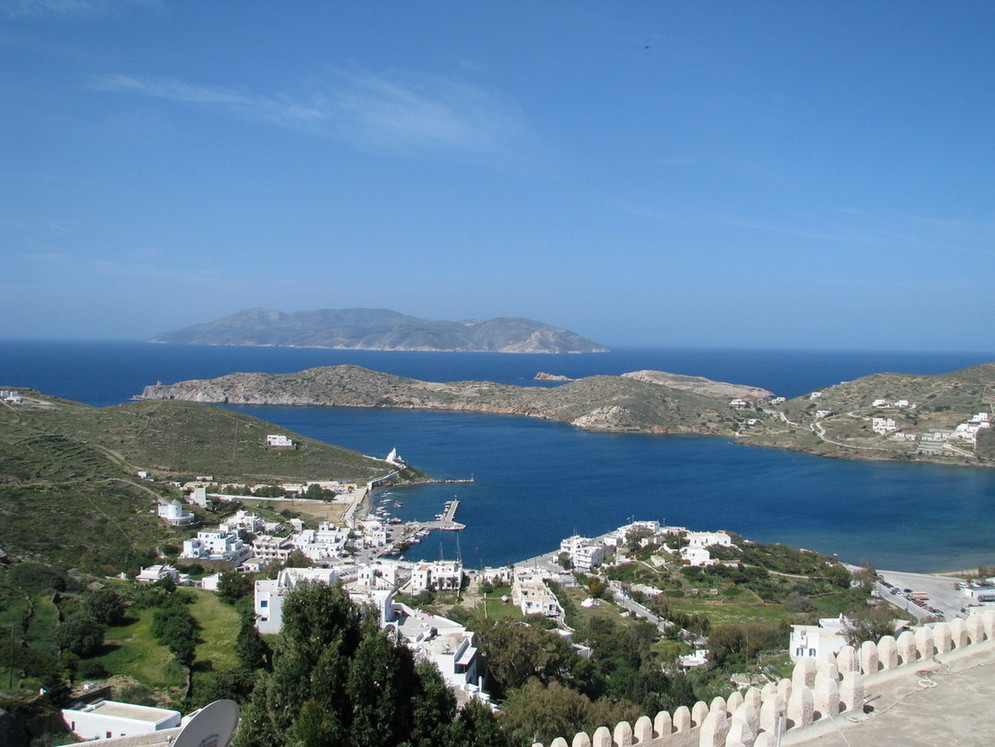
The twelve iconic windmills atop Chora, a symbol of the island, with panoramic views of the harbor and the Aegean — an ideal spot for sunset.
The emblematic church atop Chora, with Cycladic-Byzantine architecture and stunning views; celebrated with a great festival on August 15th.
The ruins of the Byzantine-Venetian castle in the east, fortified in the 14th century by the Venetian lord Marco Crispo, with panoramic views of the Aegean.
An open-air theatre seating 1,000, shaped like an ancient amphitheater and carved into the hillside with sunset views — hosting concerts, performances and the island's summer cultural events.
The 17th-century chapel at the entrance of the Ormos harbor, a distinctive landmark welcoming ships arriving on Ios.
In Chora, the museum houses finds from Skarkos and other sites on the island, unfolding the history of Ios from prehistory to Roman times.
A collection of everyday objects, traditions and folk art of Ios, keeping alive the memory of the old island.
A picturesque chapel in the Kalamos area, built upon the ruins of an ancient temple of Apollo, testifying to the site's continuity of worship.
The metropolitan church of Ios in Chora, the center of the island's religious life with a notable iconostasis and icons.
Located in Chora, it houses works of contemporary art and hosts temporary exhibitions, adding a cultural touch to the island.
A Hellenistic tower in the area of Plakotos, near the ruins of the ancient aqueduct — evidence of the island's ancient fortifications.
A Byzantine church built on the ruins of an ancient temple of Apollo, where ancient architectural elements can still be seen.
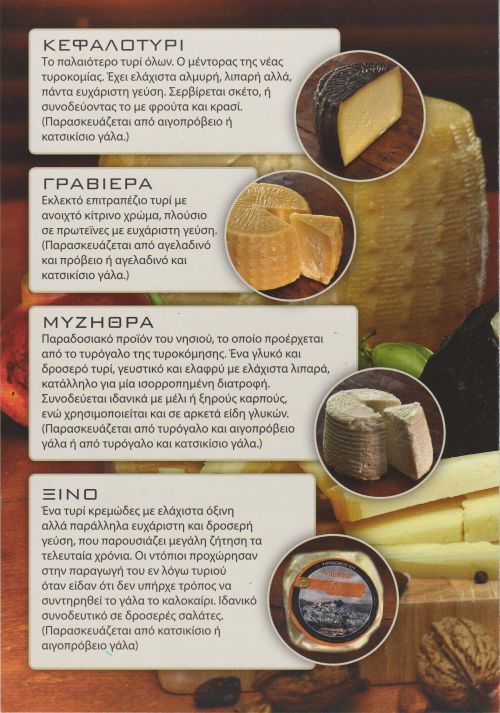
THE ISLAND WITH 365 CHURCHES is a place of great contrasts. It claims the tomb of Homer, has beautiful beaches, wonderful people, a particularly vibrant nightlife, tasty cheeses, and interesting gastronomy. Its products may not belong to any special varieties, but if you catch dry tomatoes and katsounia, zucchini, potatoes, and eggplants in season, you will remember forgotten flavors. Its unique cheeses, especially beloved in Athens, are even more flavorful in their natural setting, served at tables alongside dishes with local recipes and good company.
Accommodation, restaurants, activities and local products of the island.
Locations come live from the official Cyclades business directory.
 Accommodation
 Accommodation
 Accommodation
 Accommodation
 Accommodation
 Accommodation
 Accommodation
 Accommodation
 Entertainment
 Entertainment
 Entertainment
 Entertainment
 Entertainment
 Entertainment
 Entertainment
 Activities
 Activities
 Local Products
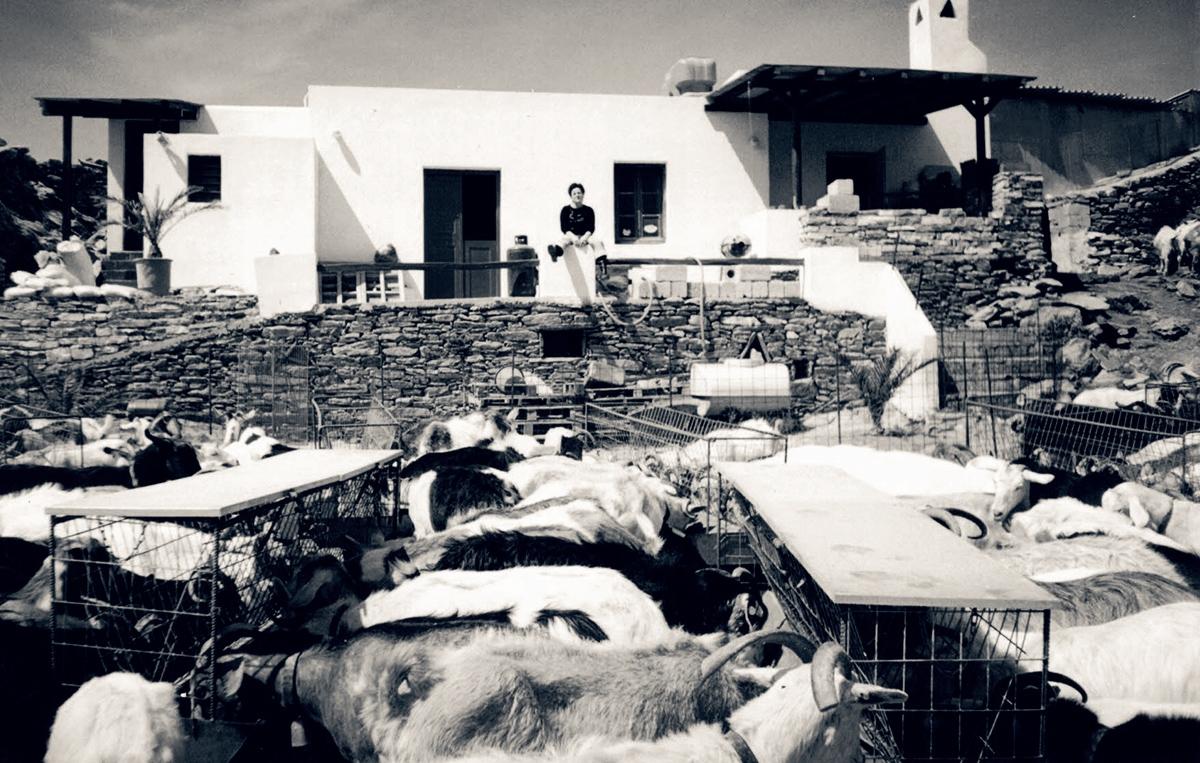 Local Products
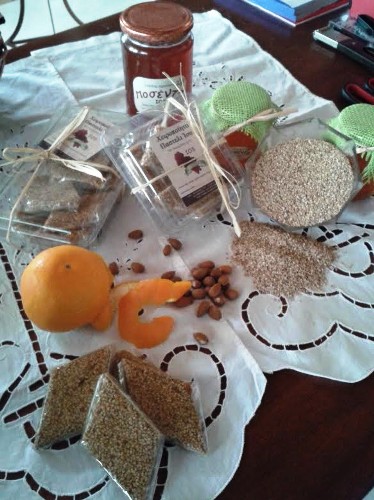 Local Products
The emblematic beach of Ios, a kilometer of golden sand with shallow waters, water sports and vibrant social life, just minutes from Chora.
On the south of the island, five consecutive coves with white sand and turquoise, shallow waters — among the most impressive beaches in the Cyclades.
Blue Flag beach near Chora, with sand, rocks for diving and one of the finest sunsets on the island.
A quiet, beautiful sandy beach on the east coast, near the ruins of Paleokastro and the church of the same name.
A remote sandy beach in the east, with calm waters and popular spots for diving and tranquility.
A quiet beach near Mylopotas, with steady winds that make it a favorite for windsurfing.
The beach next to the harbor, easily accessible and convenient, with shallow waters and shaded tavernas.
An isolated beach on the eastern edge of the island, with wild beauty, clear waters and few visitors.
A small, sheltered cove below Chora, accessible on foot — ideal for a peaceful swim away from the crowds.
A small, picturesque beach near Ormos, with calm waters and views towards the harbor.
A remote, unspoiled beach on the north side, for those seeking absolute quiet and a wild landscape.
A small, picturesque beach right next to Gialos, with pebbles and clear waters — popular for a quick dip near the harbor.
An isolated stretch of sand in the north, with wild beauty and very few crowds, ideal for peace and quiet.
A quiet cove with pebbles and deep, crystal-clear waters, far from the crowded beaches.
A remote beach with soft, white sand reminiscent of soap, accessible via a dirt road.
Ios has no airport. The harbor at Ormos (108 nautical miles from Piraeus) lies on the main ferry route and is connected to Piraeus (3.5–7 hours), Rafina, as well as to Santorini, Naxos, Paros, Mykonos, Sikinos and Folegandros — ideal for island hopping.
A local bus connects Ormos, Chora and Mylopotas frequently. For the more remote beaches (Manganari, Agia Theodoti, Kalamos), renting a car or scooter, or taking small boats from the harbor, is the most convenient option.
Combine Ios with the neighbouring Cyclades.
Plan your own trip to Ios, day by day, tailored to you — with the help of the aiTripPlanner.