Discover the Cyclades
Businesses, flavours and experiences across all the islands — choose a category.






Are you a business in the Cyclades?
List it for free and showcase it to thousands of visitors.
List now →
Businesses, flavours and experiences across all the islands — choose a category.
List it for free and showcase it to thousands of visitors.
List now →
Businesses, flavours and experiences across all the islands — choose a category.
List it for free and showcase it to thousands of visitors.
List now →
The island of faith and flavor — hundreds of churches, dovecotes and forty villages
Tinos has been inhabited since antiquity, and in ancient times it was renowned throughout Greece for the sanctuary of Poseidon and Amphitrite at Kionia, a place of healing and pilgrimage. The island, also known as "Ophioussa" and "Ydroessa" for its abundant waters and snakes, flourished in the Hellenistic period.
In Byzantine times the population fortified itself on the inaccessible Exomvourgo. In 1207, after the Fourth Crusade, Tinos passed to the Venetians, specifically to the Ghisi family, who built the castle of Santa Elena at the top of the hill.
Under Venetian rule (1207–1715), Tinos was the last Venetian stronghold in the Aegean — it surrendered to the Ottomans only in 1715, much later than the other islands. This is why it retains to this day a strong Catholic community, Catholic monasteries and the characteristic dovecotes introduced by the Venetians.
In 1823, a few years after the start of the Revolution, the discovery of the miraculous icon of the Panagia — following the vision of Saint Pelagia — turned the island into a national pilgrimage site and a symbol of the newly founded Greek state. At the same time, the marble-sculpting tradition of Pyrgos produced leading artists such as Yannoulis Chalepas and Dimitrios Filippotis. Today Tinos is being reborn as a gastronomic and cultural destination, without losing its authentic character.
Monasteries, castles, ancient towns and hiking routes.
The most important Orthodox pilgrimage site in Greece. The majestic church, built entirely of Tinian marble, was erected after 1823, when the nun Pelagia saw in a vision the spot where the miraculous icon of the Panagia was found. Every August 15th, thousands of pilgrims climb the marble road, many on their knees.
The imposing rocky hill in the center of the island, where the medieval capital and the Venetian castle of Santa Elena once stood — the last Venetian stronghold of the Cyclades, with panoramic views over all of Tinos.
Historic convent dating from the 10th–12th century, an entire settlement of white cells, where Saint Pelagia, who saw the vision leading to the discovery of the icon, lived and practiced asceticism.
The ancient sanctuary of Poseidon and Amphitrite (4th–3rd century BC), one of the most important in the Cyclades, where pilgrims flocked from all over the Aegean; the foundations of the temple and fountains survive.
In Pyrgos, an award-winning modern museum of the Piraeus Bank Group Cultural Foundation, dedicated to the art of marble — from quarrying and tools to the works of the great Tinian sculptors.
The historic Preparatory School of Fine Arts (Panormitiki), where marble sculpture was taught and which produced great sculptors such as Chalepas and Filippotis.
Hundreds of ornate stone dovecotes with pierced geometric relief patterns — a symbol of the Tinian countryside and a legacy of Venetian rule, with the most impressive examples in the valley of Agapi and at Tampakia.
The village set within a unique geological landscape of huge spherical granite boulders, where the traditional art of basket-weaving survives.
In Pyrgos, the house-museum of sculptor Yannoulis Chalepas and the Museum of Tinian Artists, with works by the great sculptors born on the island.
The Catholic Ursuline convent at Loutra, which housed a renowned girls' boarding school; together with the neighboring Jesuit monastery, it attests to the strong Catholic presence on Tinos.
In Chora, housing finds from the sanctuary at Kionia, Exomvourgo and other sites — vases, sculptures and an impressive archaic sundial.
The entire village functions as an open-air museum of marble craft: marble skylights, lintels, fountains and gravestones in the cemetery, all carved by local craftsmen.
The family home turned museum of the leading Tinian sculptor Giannoulis Chalepas in Pyrgos, featuring his works and personal belongings.
A monument at the port of Tinos, dedicated to the battleship Elli, which was torpedoed on the feast day of the Assumption in 1940.
The island's highest peak (726m), the mythical home of Aeolus; a popular hiking destination with panoramic views over the Aegean.
Tinos has emerged as one of the top gastronomic destinations of the Cyclades — fertile land with vineyards, artichokes and capers, strong livestock farming, and a new generation of creators who honor local products.
Accommodation, restaurants, activities and local products of the island.
Locations come live from the official Cyclades business directory.
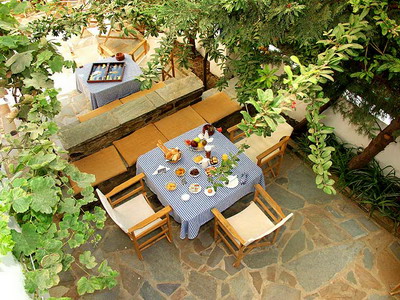 Accommodation
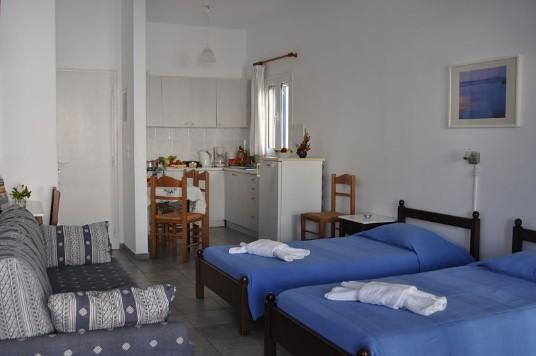 Accommodation
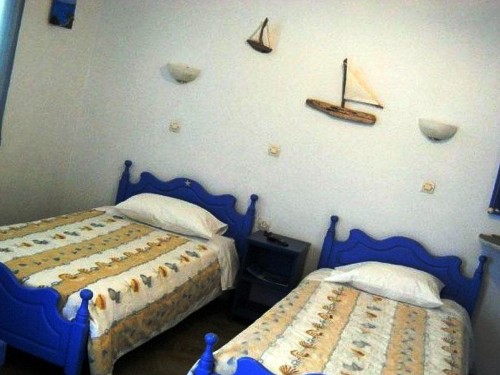 Accommodation
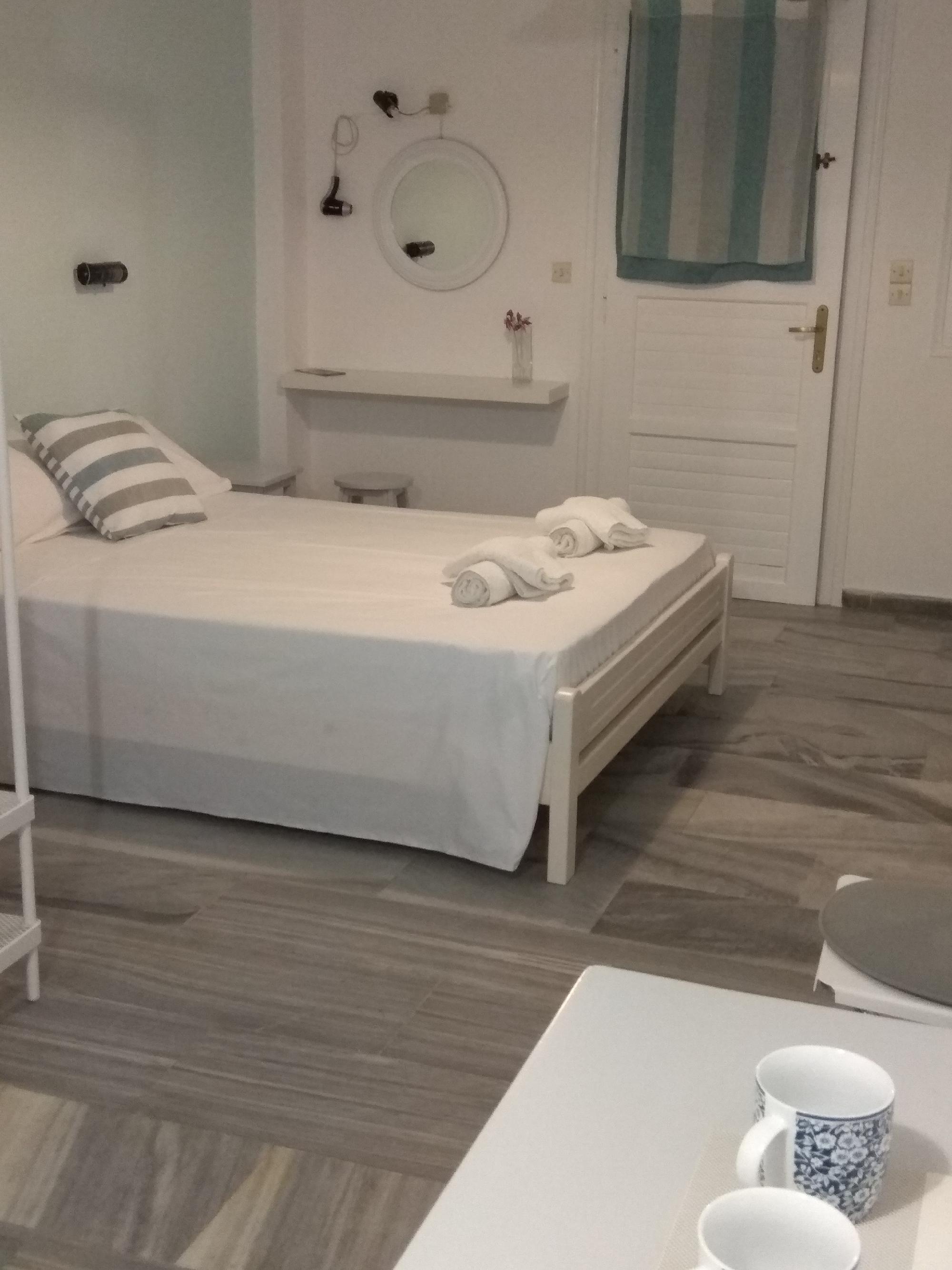 Accommodation
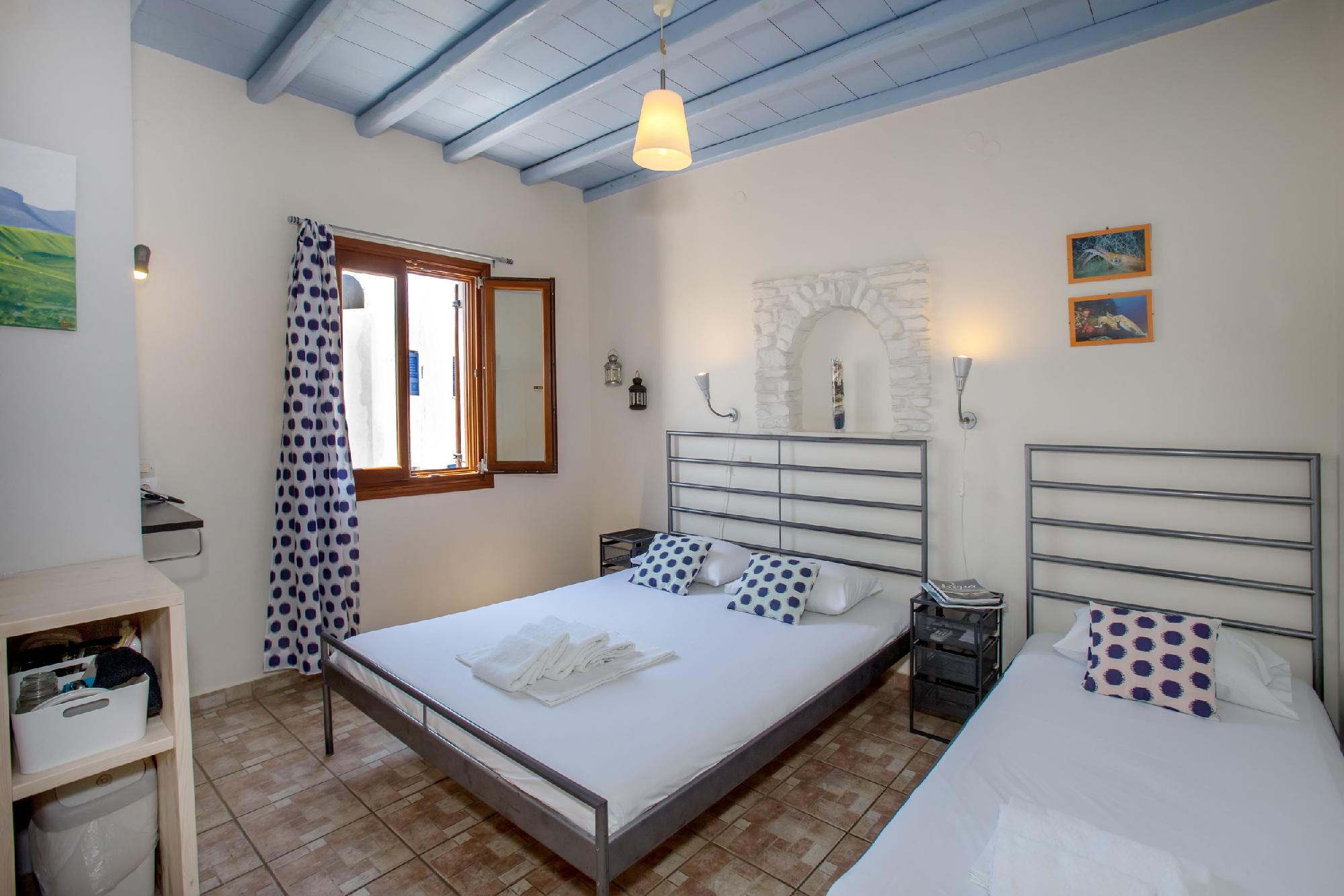 Accommodation
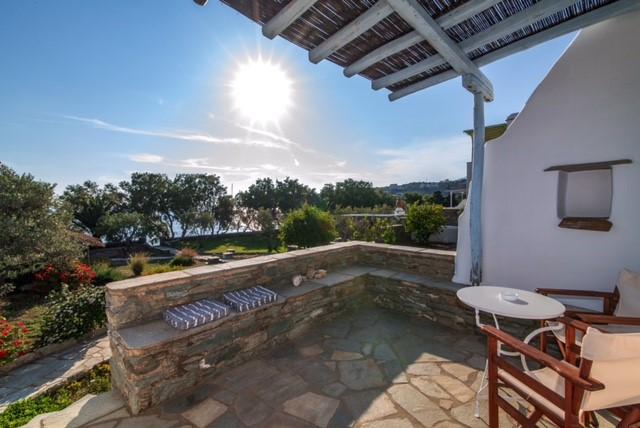 Accommodation
 Accommodation
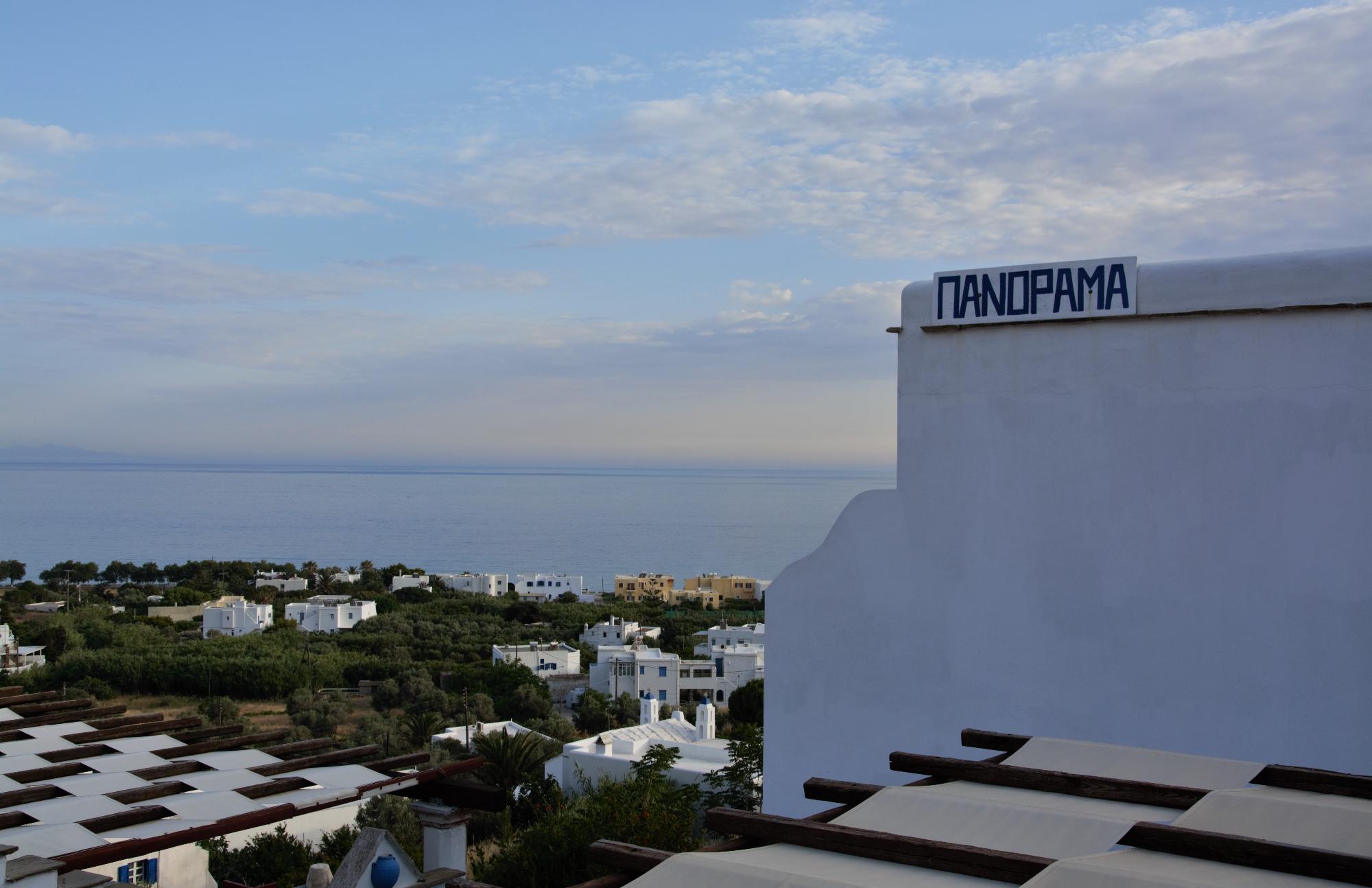 Accommodation
 Entertainment
 Entertainment
 Entertainment
 Entertainment
 Entertainment
 Entertainment
 Entertainment
 Entertainment
 Activities
 Activities
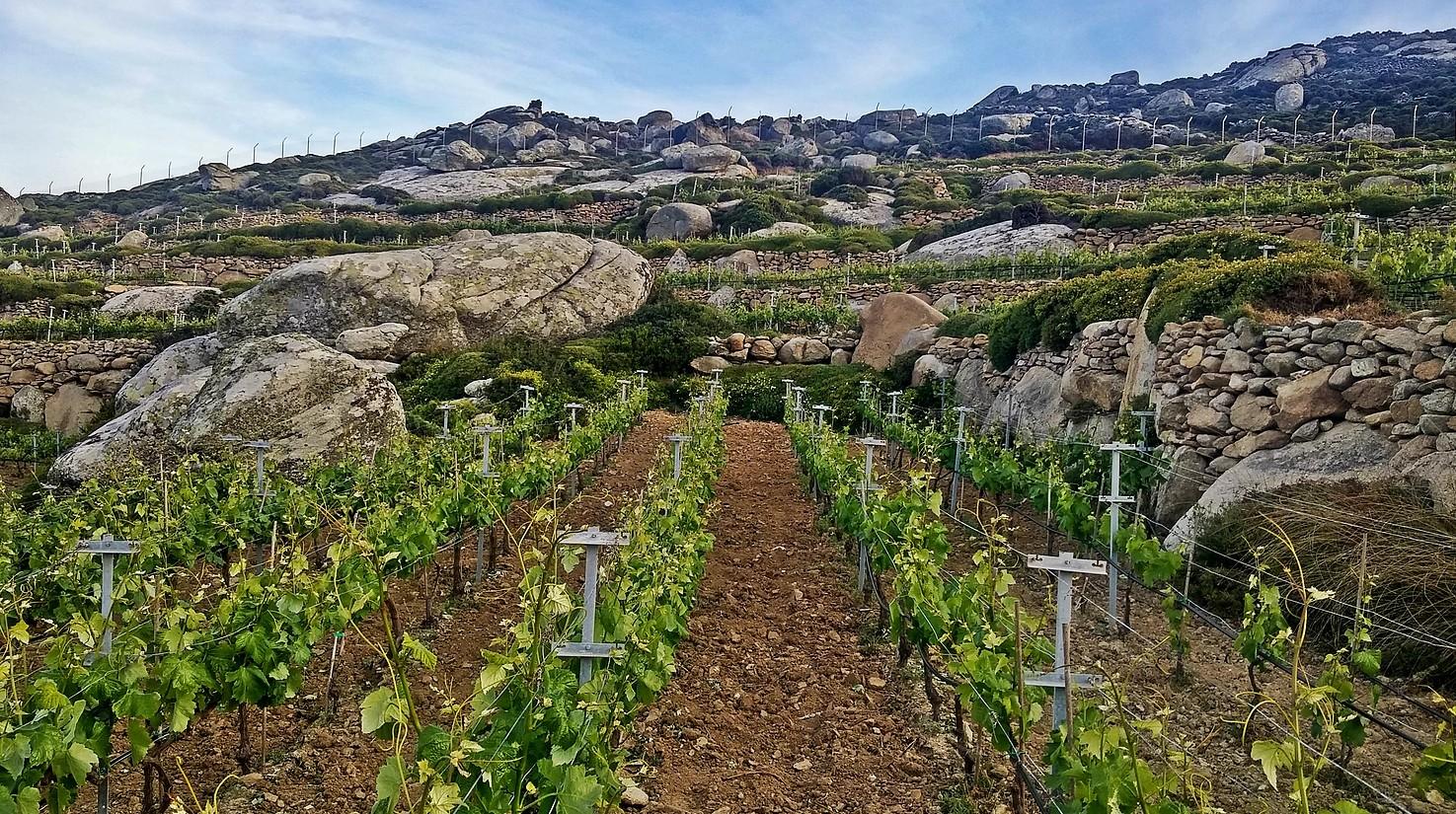 Local Products
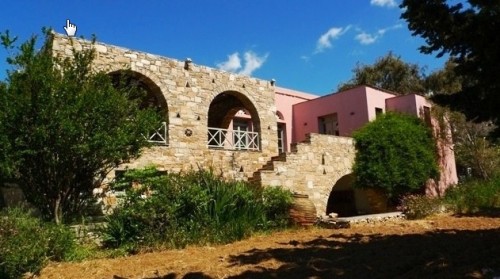 Local Products
 Local Products
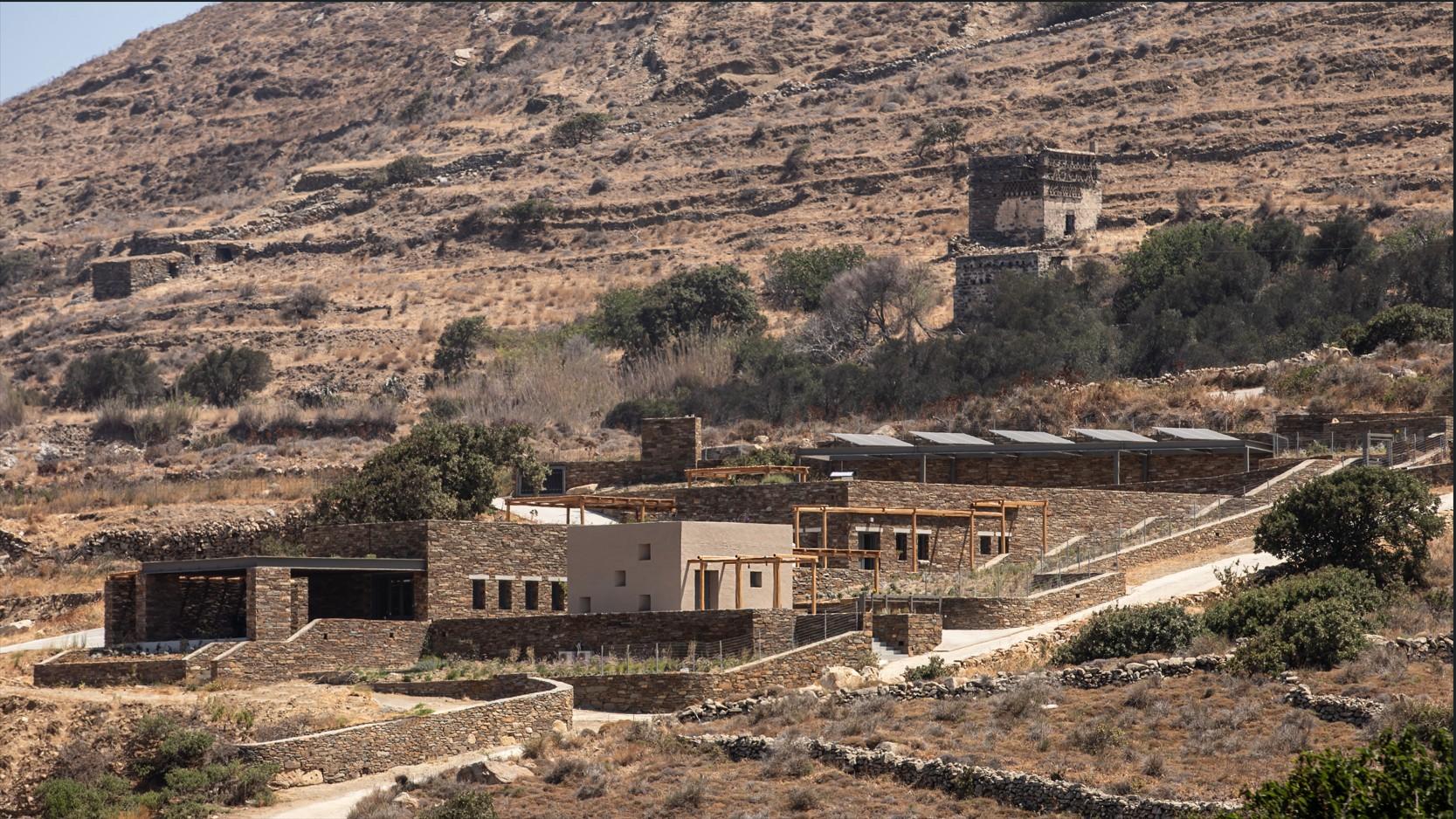 Local Products
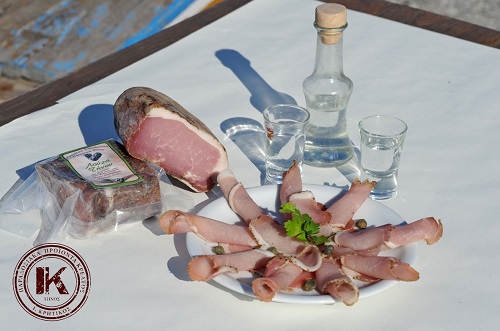 Local Products
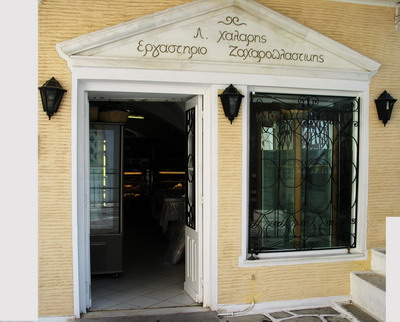 Local Products
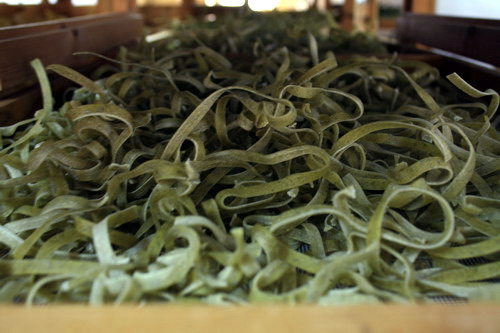 Local Products
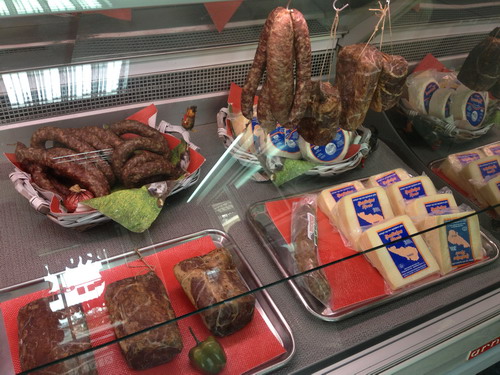 Local Products
Two impressive bays in the north within a wetland of reeds — the large one windswept, ideal for surfing, and the small one more sheltered and family-friendly.
The closest large beach to Chora, with fine sand, shallow waters and all amenities — ideal for families.
Large, calm sandy beach on the west coast, near the villages of Exo Meria, with clear waters and a relaxed atmosphere.
Secluded beach in the southeast, with golden dunes and untouched landscape, for those seeking peace and quiet.
Wild, impressive beach on the east coast, with pebbly shore, unusual rocks and views of the open sea.
Long, organized sandy beach a short distance from Chora, with the picturesque little chapel on the rocks giving it its name.
Organized, sheltered beach within a natural bay near Chora — protected from the winds and ideal for children.
Picturesque fishing harbor below Pyrgos, from where marble was once loaded onto ships — today a bay with sandy beaches and fish taverns by the waves.
Organized beach next to the ancient sanctuary of Poseidon and Amphitrite, very close to Chora.
Calm, picturesque cove with pebbles and clear waters south of Chora, far from the crowds.
Quiet sandy beach at the northwestern tip of the island, in a wild landscape, for those wanting isolation.
Small, picturesque bay below Kardiani, with crystal-clear waters and sunset views.
A sandy beach next to Kionia, with shallow waters and easy access, ideal for families.
A calm, welcoming bay with golden sand, sheltered from the winds.
A secluded sandy stretch on the east coast, below Mount Tsiknias, for those seeking tranquility.
A picturesque beach with sand and pebbles, next to a charming fishing village.
Tinos has no airport. It is connected by ferry to Piraeus and mainly Rafina (2.5–4.5 hours, with frequent departures), as well as to Mykonos, Andros and Syros — ideal for island hopping in the northern Cyclades.
A local KTEL bus service connects Chora with the main villages and beaches. To explore the forty villages, the dovecotes and the remote beaches, renting a car or scooter is the most convenient option.
Combine Tinos with the neighbouring Cyclades.
Plan your own trip to Tinos, day by day, tailored to you — with the help of the aiTripPlanner.