Discover the Cyclades
Businesses, flavours and experiences across all the islands — choose a category.






Are you a business in the Cyclades?
List it for free and showcase it to thousands of visitors.
List now →
Businesses, flavours and experiences across all the islands — choose a category.
List it for free and showcase it to thousands of visitors.
List now →
Businesses, flavours and experiences across all the islands — choose a category.
List it for free and showcase it to thousands of visitors.
List now →
Airy, cosmopolitan and timeless
According to mythology, the bare rocks of Mykonos are the petrified bodies of the Giants slain here by Heracles, while the island took its name from the mythical Myconos, a descendant of Apollo. Its position, next to sacred Delos, the most important religious center of the ancient world, shaped the island's fate from the earliest times.
Inhabited since prehistoric times, Mykonos passed through Carians and Phoenicians before the Ionians settled. In antiquity it lived in the shadow of neighboring Delos, supplying and serving the great sanctuary. The Roman and Byzantine periods followed, leaving the island exposed to pirate raids.
In medieval times, after the Fourth Crusade (1204), Mykonos passed to the Venetians and was incorporated into the Duchy of the Archipelago, ruled for a long time by the Ghisi family. The inhabitants, sailors and partly pirates, fortified Chora. In the 16th century the island passed to the Ottoman Empire, retaining nonetheless significant autonomy and a thriving shipping trade.
During the Revolution of 1821, Mykonos offered its ships and sailors to the Struggle, with the Mykonian heroine Manto Mavrogenous standing out for her bravery and sacrifices. After the great excavations at Delos (late 19th c.) and especially from the 1950s onward, Mykonos was transformed from a poor seafaring island into a world tourist destination — a symbol of the international jet-set.
Monasteries, castles, ancient towns and hiking routes.
The sacred island of the ancient Greeks, birthplace of Apollo and Artemis. An entire archaeological site-museum with temples, the Agora, the Stoa, the iconic marble Lions and exceptional mosaics — a UNESCO World Heritage monument, accessible by daily boats from Chora.
The most photographed little church in Greece — a complex of five churches (15th–17th c.) merged into one sculptural, pure-white mass, at the entrance to the Kastro above the sea.
The iconic windmills of Mykonos, standing in a row above the sea — once used to grind wheat by harnessing the strong winds, today the island's recognizable trademark.
The most romantic neighborhood of Chora, with captains' mansions built right on the waves and colorful wooden balconies — the definitive spot for the sunset.
The oldest core of Chora, the medieval Kastro with its fortified mansions and narrow cobbled alleys leading down to Little Venice.
The central, historic shopping street of Chora — a pure-white alley full of shop windows, where the heart of fashionable Mykonos beats.
The historic monastery (1542) in Ano Mera, dedicated to the island's patron saint, with an ornate baroque-style carved wooden iconostasis and silver votive offerings.
An 18th-century convent near Ano Mera, built on the site of a medieval castle — a typical, peaceful example of Cycladic architecture.
In Chora, it houses important finds from neighboring Rineia and Delos, with archaic vases, sculptures and grave stelae.
In a traditional Mykonian mansion in Chora, it narrates the rich maritime history of the Aegean with ship models, maps and nautical instruments.
In an old captain's mansion near the Kastro, with traditional objects, costumes, tools and scenes from Mykonian everyday life.
Historic lighthouse from 1891 at the island's northwestern tip, with an impressive view of the Tinos strait — a quiet spot for the sunset.
The three historic wells at the heart of Chora, which supplied the town with water until the 1950s.
Housed in the restored Boni windmill above Chora, displaying tools and scenes from Mykonos's rural life.
Mykonian cuisine combines the simple tradition of the Cyclades with cosmopolitan touches — cheeses, cured meats and sweets passed down from generation to generation, alongside fresh fish from the fishing villages.
Accommodation, restaurants, activities and local products of the island.
Locations come live from the official Cyclades business directory.
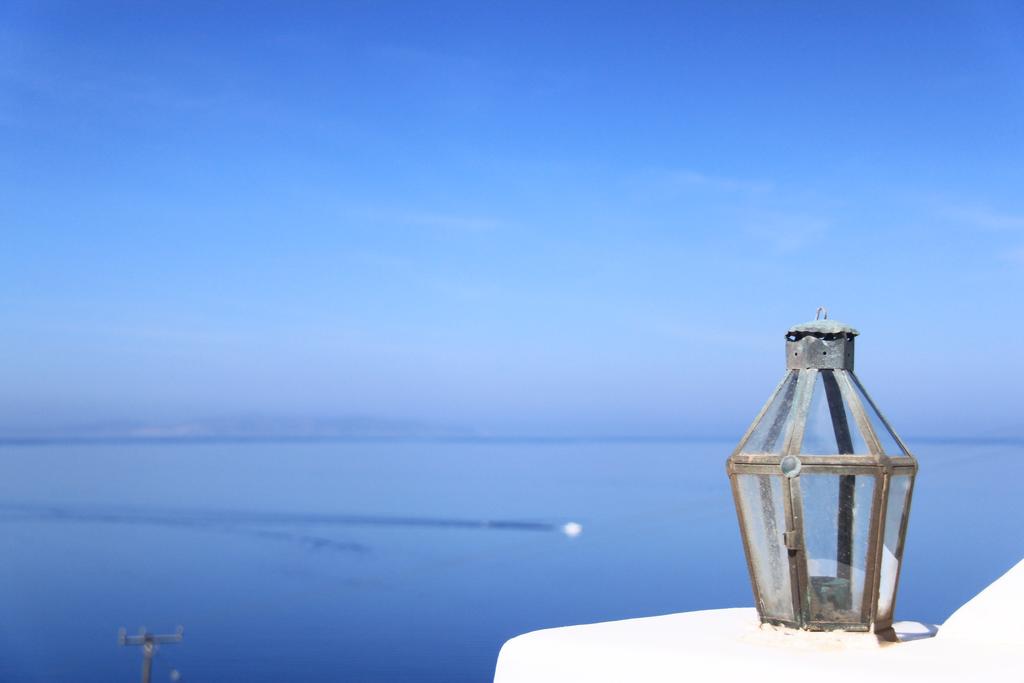 Accommodation
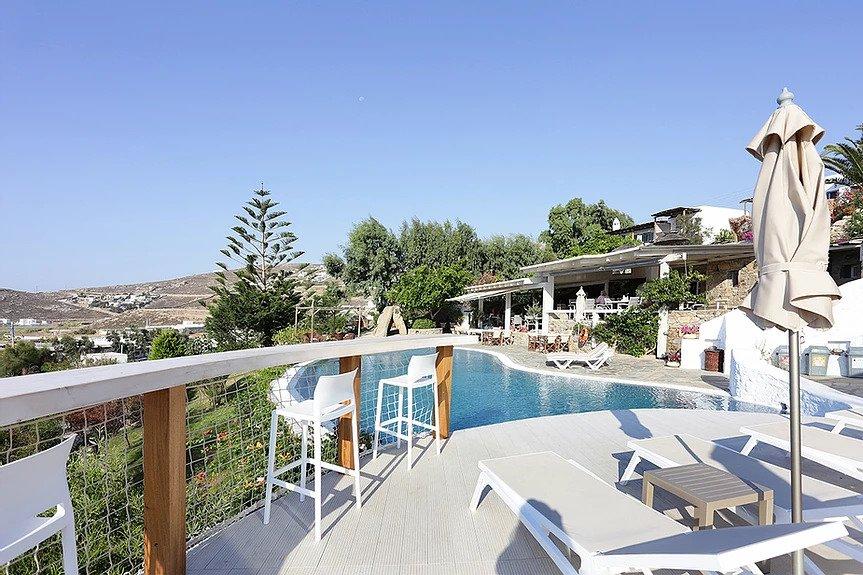 Accommodation
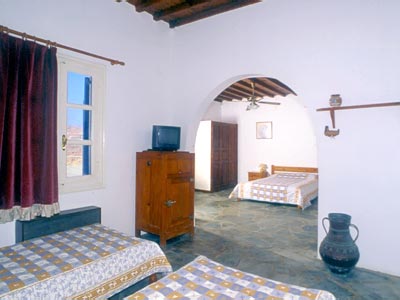 Accommodation
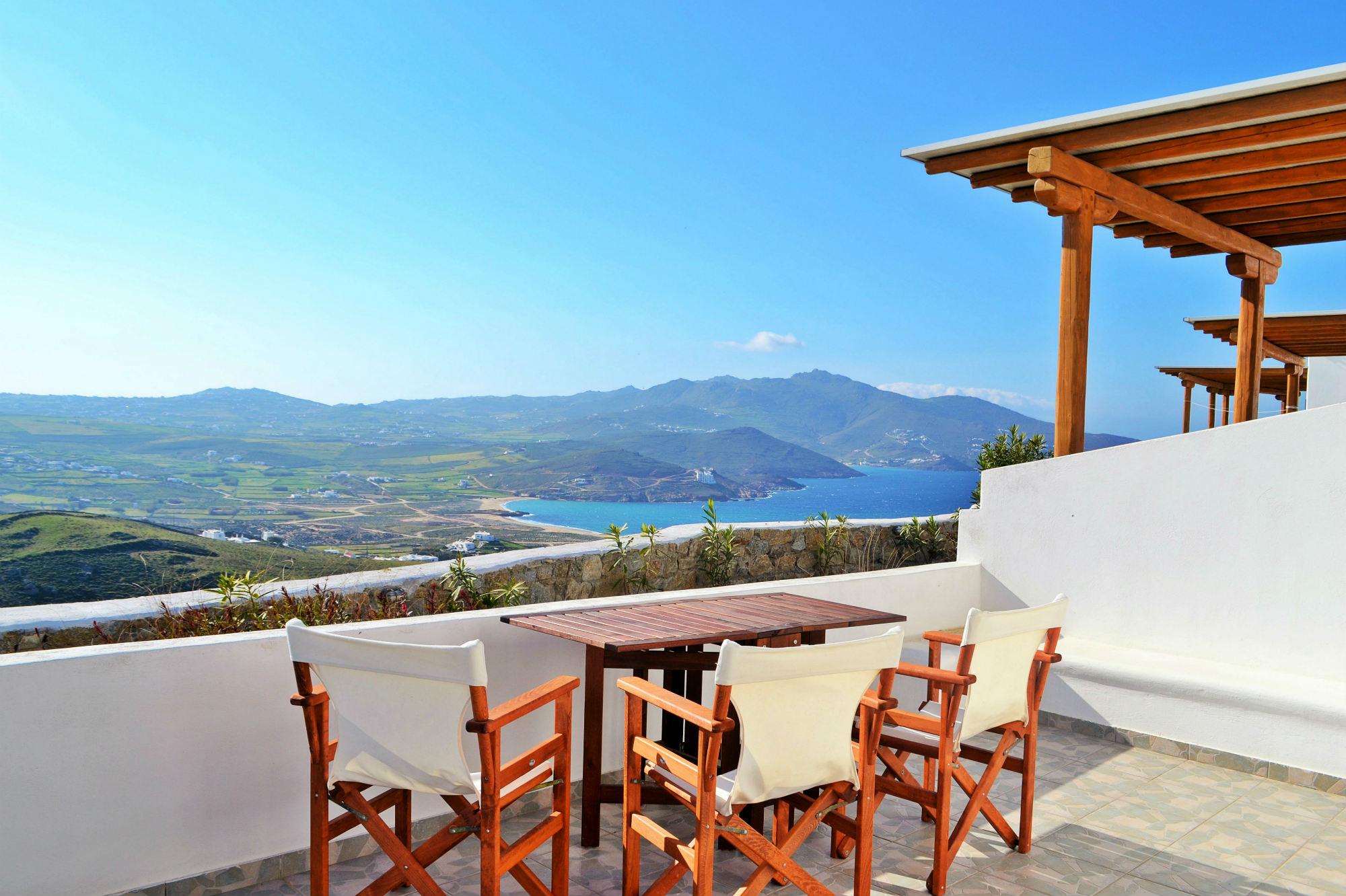 Accommodation
 Accommodation
 Accommodation
 Accommodation
 Accommodation
 Entertainment
 Entertainment
 Entertainment
 Entertainment
 Entertainment
 Entertainment
 Entertainment
 Entertainment
 Activities
 Activities
 Activities
 Activities
 Activities
 Activities
 Activities
 Activities
 Local Products
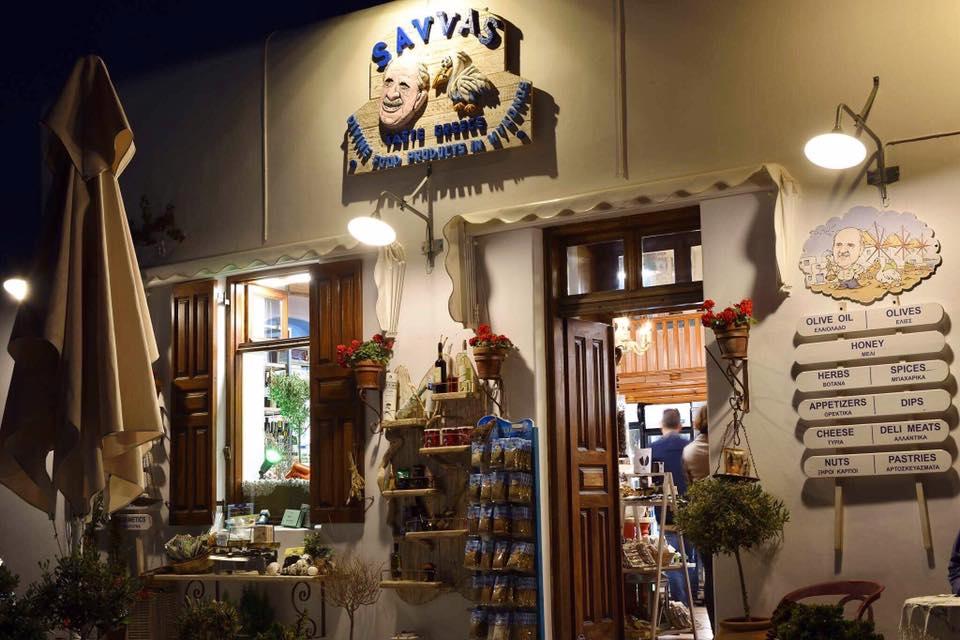 Local Products
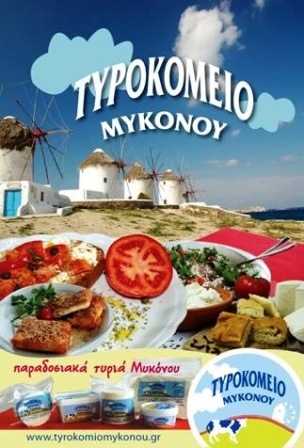 Local Products
 Local Products
 Local Products
The most glamorous beach on the island, a sheltered sandy cove with crystal-clear waters, water sports and international glamour.
Busy, fully organized beach in the south, a hub for the boats connecting the surrounding beaches.
Twin beach between Platys Gialos and Paradise, with a more relaxed, youthful atmosphere.
The legendary beach party spot, famous since the hippie era — the epicenter of fashionable fun.
The temple of wild fun, with music that keeps going from noon until late at night.
Sheltered cove with a fishing harbor and excellent facilities, very close to Chora — ideal for families.
One of the largest and most organized beaches on the island, with water sports and accessible by boat.
Long beach in a sheltered bay on the east coast, with taverns and beach bars.
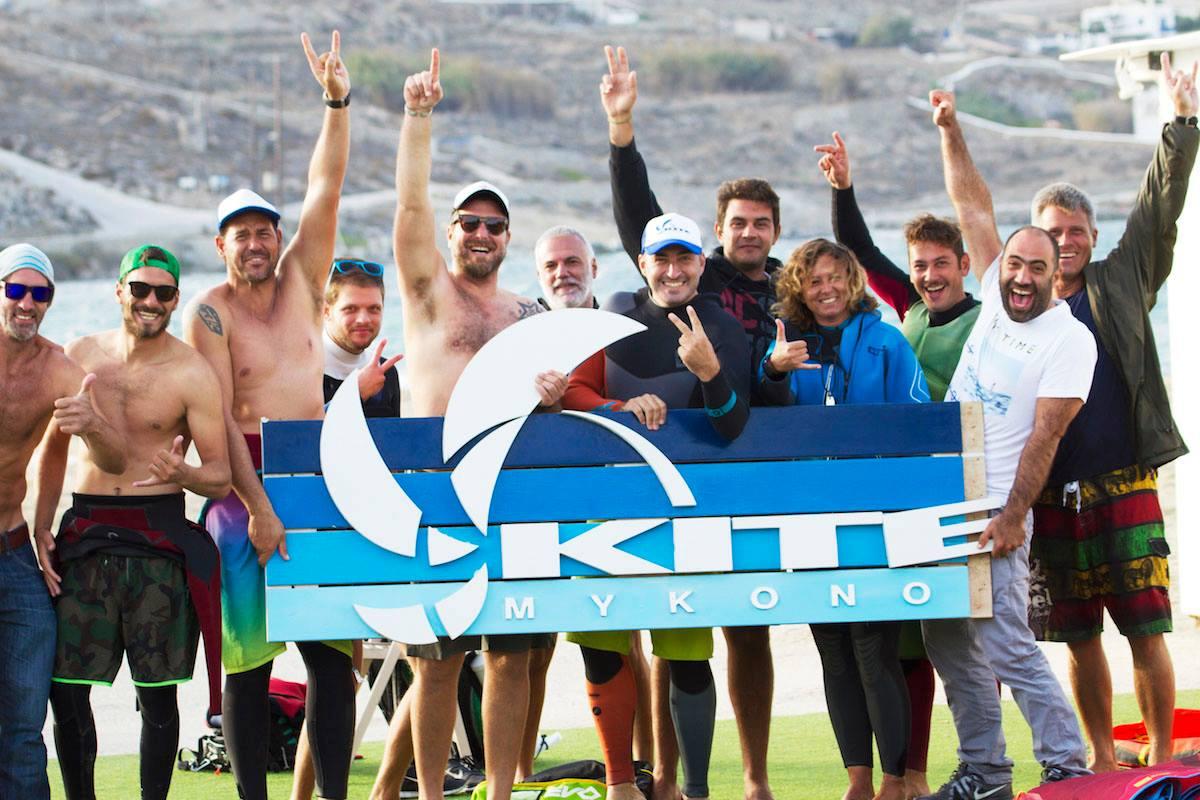
Extensive beach in the east, a renowned center for windsurfing, kitesurfing and diving.
Trendy northern beach with golden sand and beautiful scenery, more exposed to the north wind.
Pristine, unorganized beach in the north, next to the picturesque little chapel — peaceful and wild.
Windswept northern bay, one of the best spots in the Cyclades for windsurfing and kitesurfing.
Organized family beach just north of Chora, with views of Delos and calm waters.
West-facing beach with a stunning view of Delos and the sunset — scenes from «Shirley Valentine» were filmed here.
The closest beach to Chora, with sand and shallow waters, within easy walking distance.
Secluded sandy beach on the south coast, with clear waters and a relaxed atmosphere.
Quiet beach on the southeastern tip, with fish taverns and crystal-clear waters.
Windswept bay south of Chora, popular for windsurfing and kitesurfing.
Mykonos has an international airport with numerous flights from Athens and abroad in summer. It is connected by ferry to Piraeus and Rafina (2.5–5 hours) and to the surrounding Cycladic islands. Delos is reached by daily boats from the old harbor of Chora.
A local KTEL bus connects Chora with the main beaches and Ano Mera, while boats link the southern beaches. In summer traffic is heavy — car or scooter rentals help, but parking in Chora is difficult and vehicle access is limited.
Combine Mykonos with the neighbouring Cyclades.
Plan your own trip to Mykonos, day by day, tailored to you — with the help of the aiTripPlanner.