Discover the Cyclades
Businesses, flavours and experiences across all the islands — choose a category.






Are you a business in the Cyclades?
List it for free and showcase it to thousands of visitors.
List now →
Businesses, flavours and experiences across all the islands — choose a category.
List it for free and showcase it to thousands of visitors.
List now →
Businesses, flavours and experiences across all the islands — choose a category.
List it for free and showcase it to thousands of visitors.
List now →
The Crete of the Cyclades — sea, mountains, great food
Naxos has been continuously inhabited for thousands of years and was one of the most important centers of the Cycladic Civilization (3rd millennium BC), as attested by the famous Cycladic figurines. According to mythology, it was on this island that Theseus abandoned Ariadne, with whom Dionysus then fell in love, while Zeus was raised in the caves of Mount Zas.
During the archaic period (7th–6th century BC) Naxos flourished greatly, with famous marble quarries and a great sculptural tradition — the colossal kouroi and the votive offerings at Delos are its works. In the time of the tyrant Lygdamis, construction began on the Temple of Apollo, of which the legendary Portara survives.
After the Roman and Byzantine periods, in 1207 the Venetian Marco Sanudo took the island and founded the Duchy of the Aegean (or Duchy of Naxos), with Chora as its capital. For four centuries the Venetian aristocracy left its mark: the Kastro, the towers in the countryside and the Catholic churches.
In 1564 Naxos passed to the Ottoman Empire, though it retained significant privileges. The island was incorporated into the Greek state after the Revolution of 1821. In modern times, the economy was based on agriculture, livestock farming, marble and emery — and in recent decades on tourism, which has brought international recognition to the unique identity of Naxos.
Monasteries, castles, ancient towns and hiking routes.
The trademark of Naxos. The massive marble gateway belongs to the archaic Temple of Apollo, whose construction began around 530 BC under the tyrant Lygdamis but was left unfinished. It stands alone on the islet of Palatia, at the entrance of the harbor, and offers the island's most famous sunset.
At the top of Chora stands the Venetian Castle Town, founded in 1207 by Marco Sanudo, founder of the Duchy of the Aegean. Towers, coats of arms, mansions and the Duke's palace keep the medieval atmosphere alive.
Housed in the old Commercial School inside the Kastro, it exhibits important Cycladic figurines, vases and finds spanning thousands of years of the island's history.
Near Apollonas, an unfinished archaic kouros 10.5 meters long lies in the ancient quarry — a testament to the famous marble-carving tradition of Naxos.
In the valley of Melanes (Flerio), two unfinished archaic kouroi survive, abandoned at their extraction site — a journey into the art of the 6th century BC.
Near Moni, one of the oldest churches in the Balkans (6th century), with rare early Christian frescoes.
In Chalki, a Byzantine church with layers of frescoes from the 6th to the 13th century — one of the island's most important monuments.
Outside Danakos, the fortified monastery of Christ Fotodotis (6th–17th century) stands like a castle among the mountains.
Impressive Hellenistic tower (4th–3rd century BC), one of the best preserved in Greece, in southern Naxos.
Near Sangri, the restored archaic Temple of Demeter (6th century BC) made of local marble, with a small museum.
Fortified 17th-century monastery-tower, today a cultural center hosting exhibitions and events.
Near Glinado, the restored archaic temple of Dionysus (Sanctuary of Yria, 6th century BC) — one of the most important sanctuaries of Naxos.
In Chora, next to the Cathedral, the ruins of a Mycenaean settlement and palace — testimony to prehistoric Naxos.
Near Koronos, a major pilgrimage site that draws thousands of worshippers every year.
A Byzantine castle in south-central Naxos — the last stronghold before the Venetian conquest.
A Byzantine/Venetian castle above Tragaia, with sweeping views and the ruins of churches.
Naxos is one of the richest gastronomic destinations of the Cyclades — fertile land, livestock farming and products of protected designation of origin.
Accommodation, restaurants, activities and local products of the island.
Locations come live from the official Cyclades business directory.
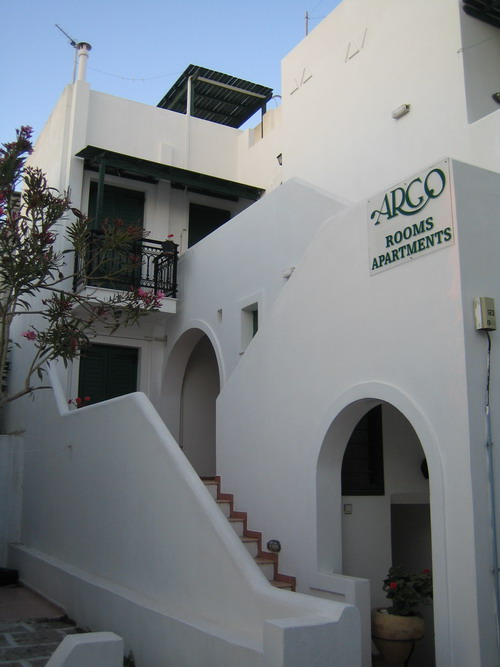 Accommodation
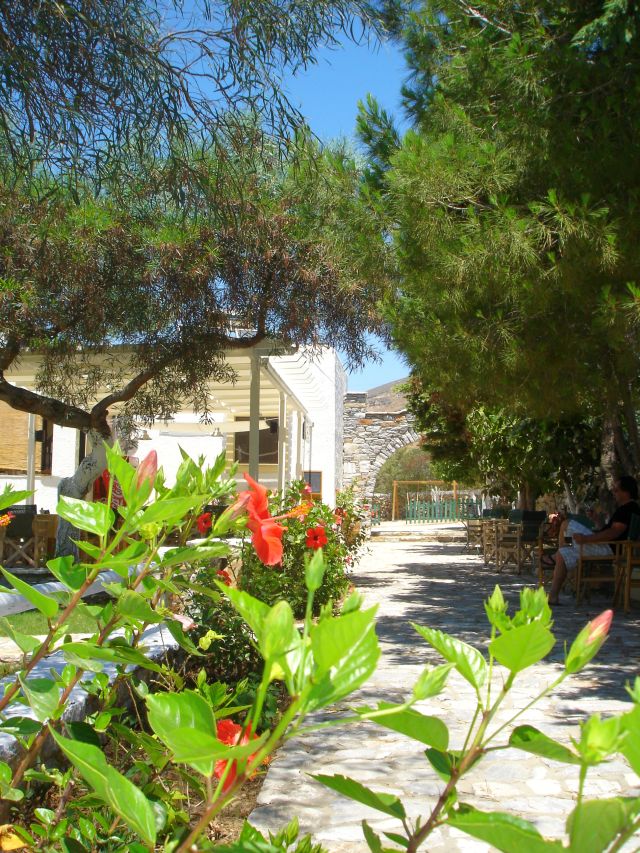 Accommodation
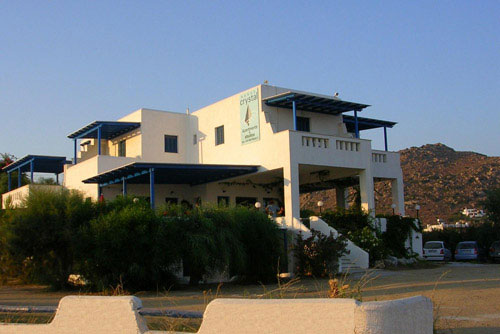 Accommodation
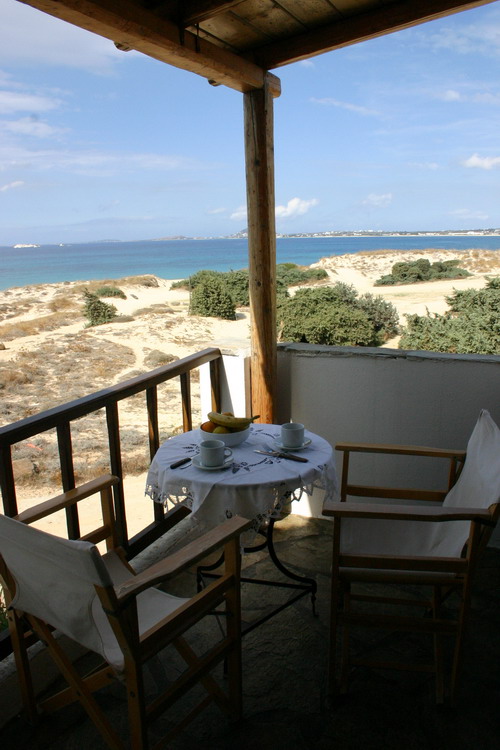 Accommodation
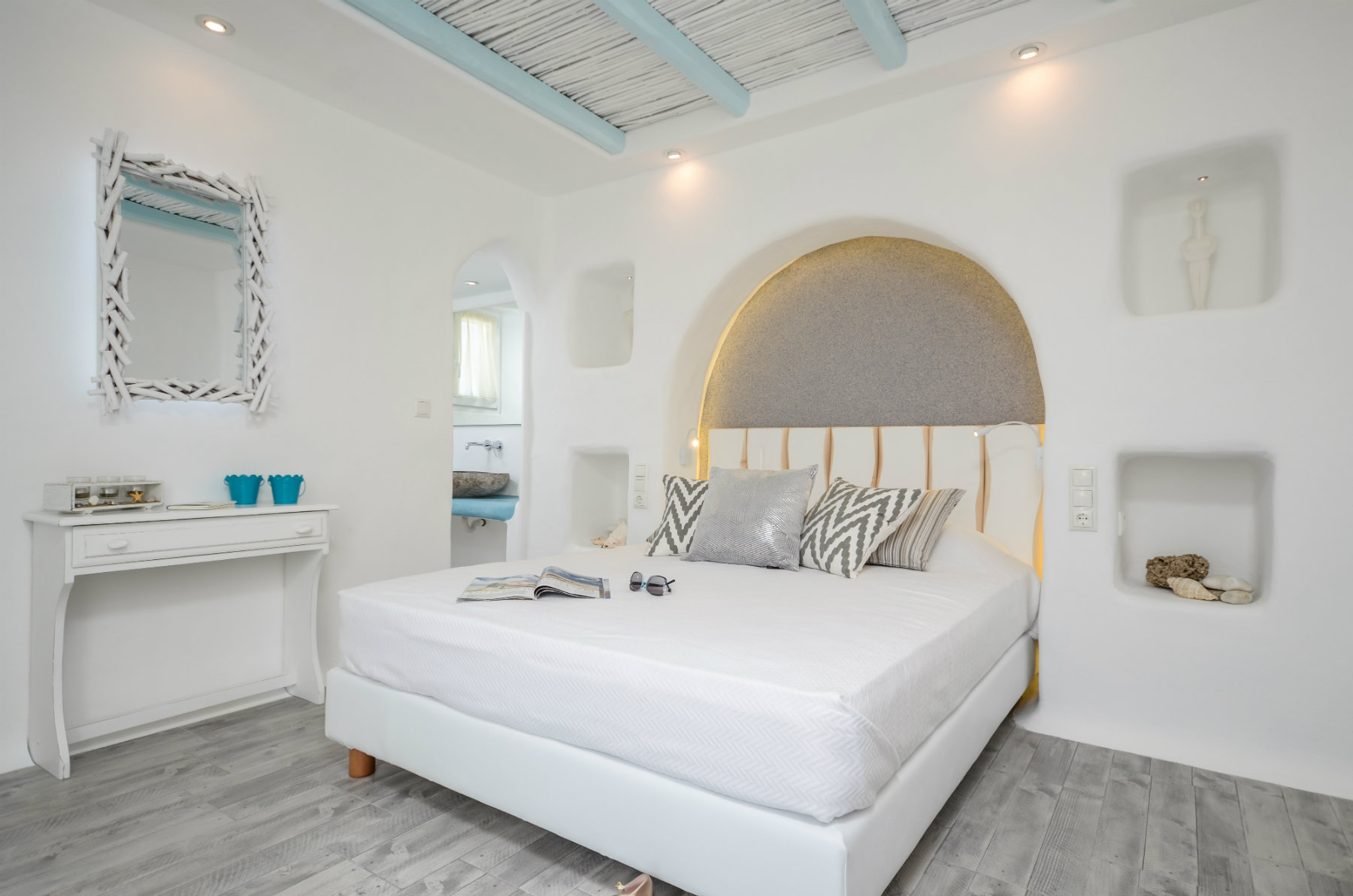 Accommodation
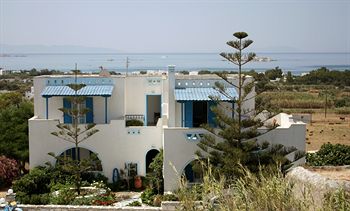 Accommodation
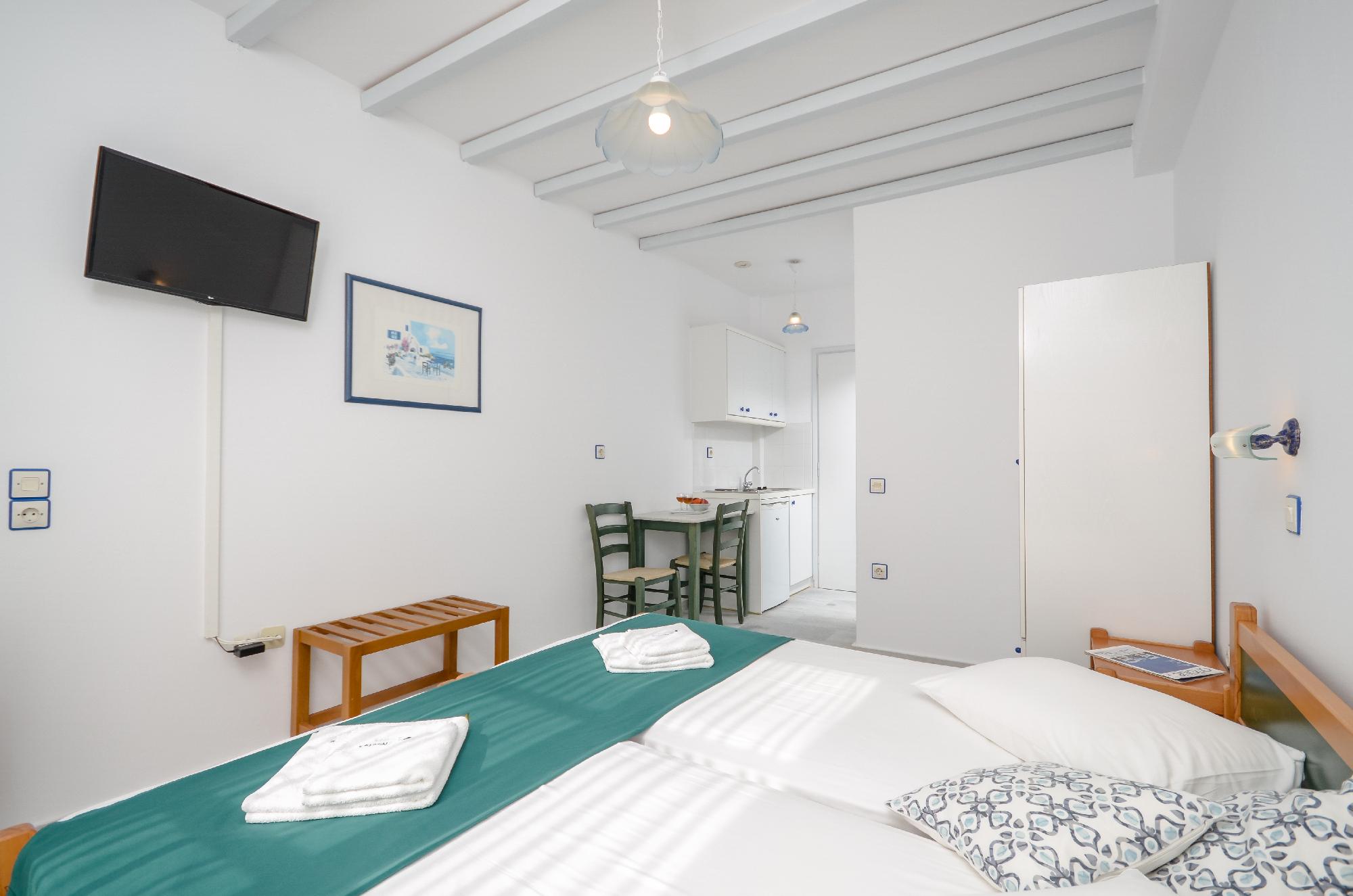 Accommodation
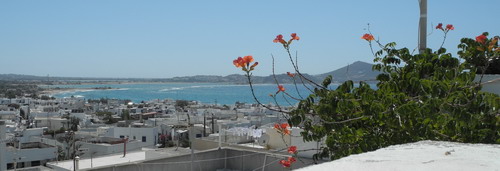 Accommodation
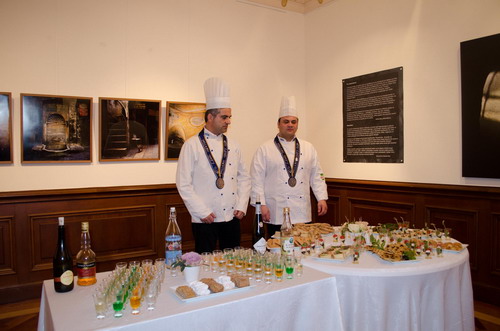 Entertainment
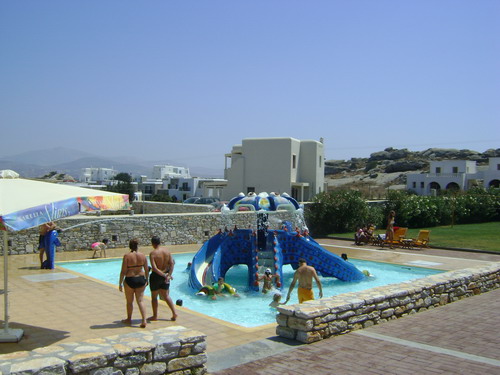 Entertainment
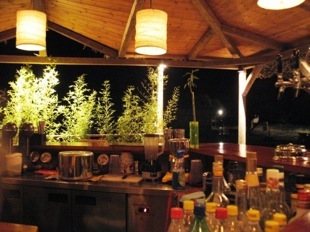 Entertainment
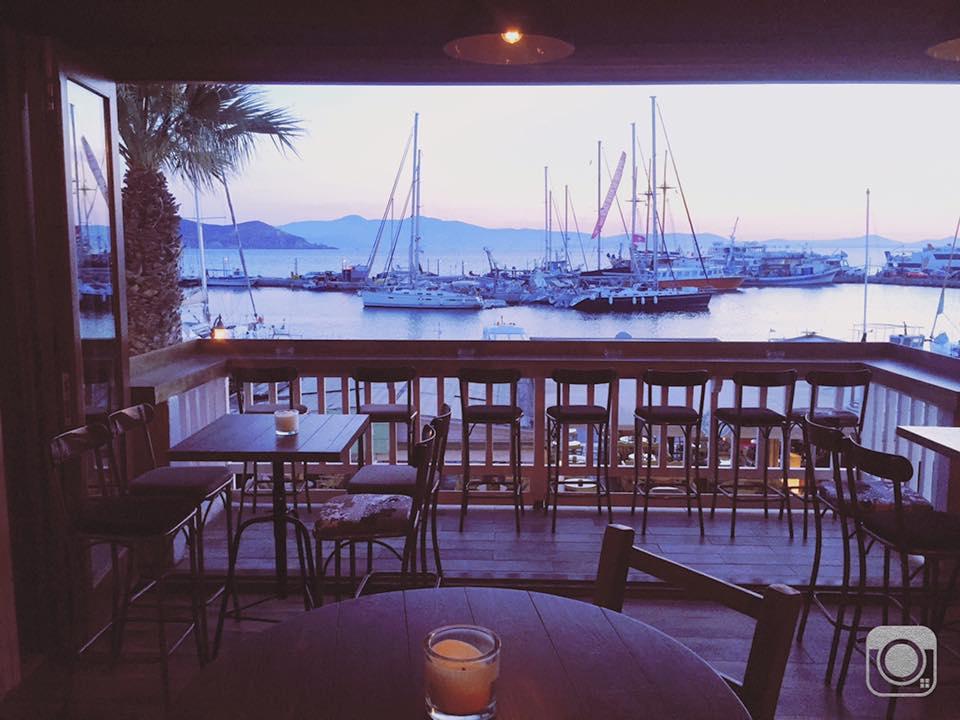 Entertainment
 Entertainment
 Entertainment
 Entertainment
 Activities
 Activities
 Activities
 Activities
 Activities
 Activities
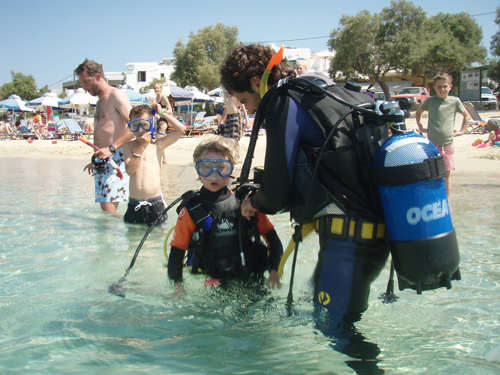 Activities
 Activities
 Local Products
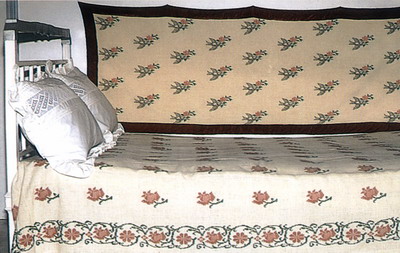 Local Products
 Local Products
 Local Products
 Local Products
 Local Products
 Local Products
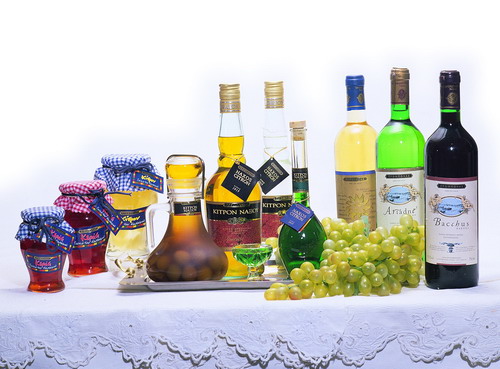 Local Products
The closest beach to Chora, with shallow waters and all amenities — ideal for children and water sports.
One of the most famous beaches of Naxos, with white sand and turquoise, crystal-clear waters.
Endless beach with a cedar forest and fish taverns, a continuation of Agios Prokopios.
Four kilometers of golden sand with dunes and cedars — one of the most beautiful beaches of all the Cyclades.
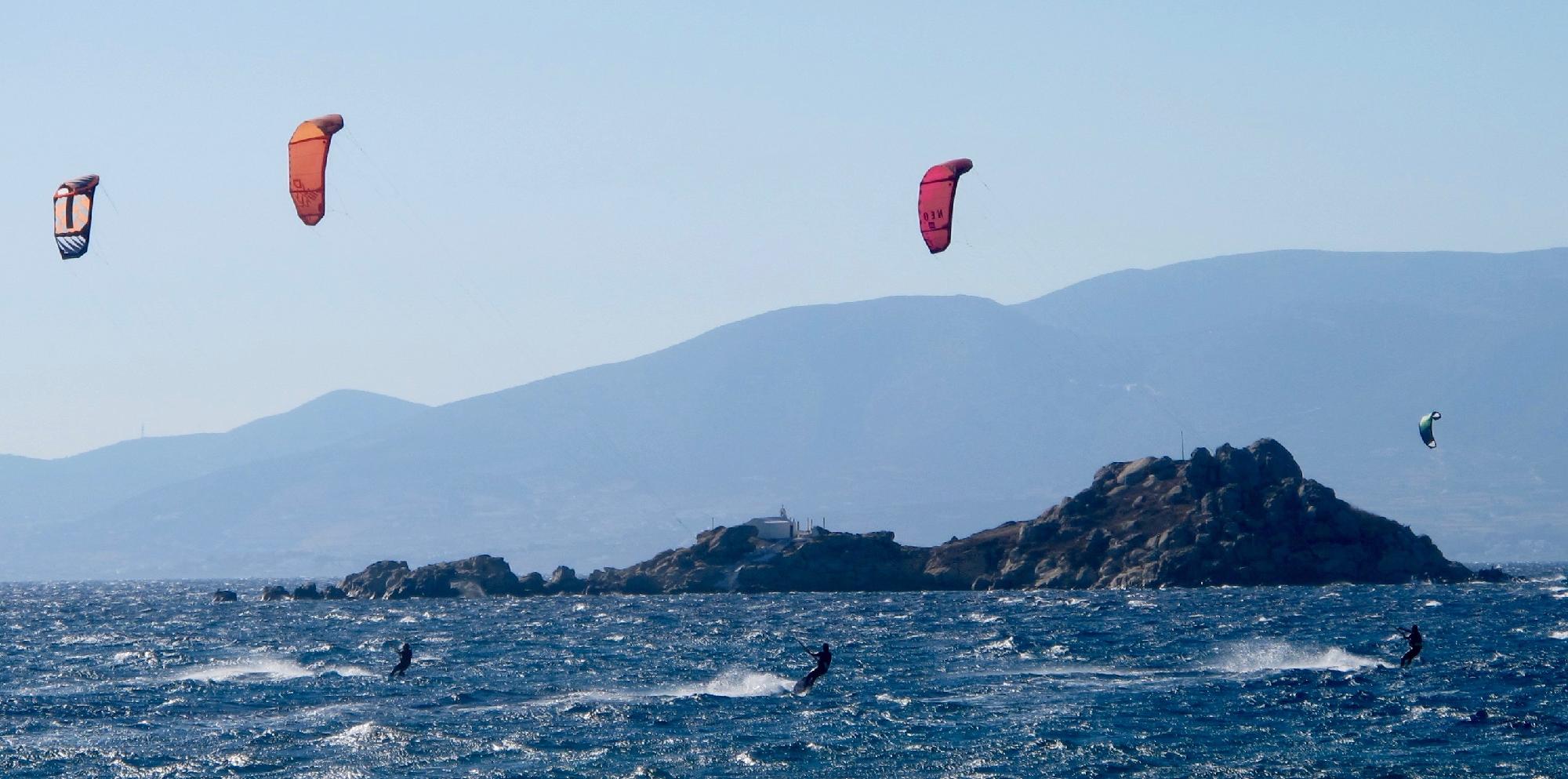
Two wonderful beaches on either side of a rock; a paradise for windsurfing and kitesurfing.
Long, quiet beach with crystal-clear shallow waters, south of Plaka.
Coves with golden sand, centuries-old cedars and rocks ideal for snorkeling.
The seaside fishing settlement at the northern tip, with sand, pebbles and taverns by the waves.
Picturesque settlement on the eastern coast — the island's only natural harbor.
Wonderful southern beach, sheltered from the winds, in a wild, unspoiled landscape.
At the southern end of the coastal road, with dunes, cedars, and calm waters — a peaceful beach with taverns.
Shallow, clear beach in the south, reached via a dirt road, with a small settlement and tavern.
Idyllic beach with dunes and cedars on the east coast, south of Moutsouna.
A pebble beach with deep, crystal-clear waters, in a picturesque fishing village of eastern Naxos.
A small beach with warm, clear waters on the north coast, with a tavern right at the water's edge.
A large beach with white sand and few crowds in northern Naxos (watch out for sea currents).
Naxos has an airport with daily flights from Athens (~40′). By ferry, the main harbor in Chora connects to Piraeus (3.5–6 hours) and to most of the Cycladic islands — ideal for island hopping (Paros, Mykonos, Ios, Santorini, Small Cyclades, Amorgos).
A local KTEL bus service connects Chora with the beaches and villages. For the mountain villages and remote beaches, car or scooter rental is the most convenient option.
Combine Naxos with the neighbouring Cyclades.
Plan your own trip to Naxos, day by day, tailored to you — with the help of the aiTripPlanner.