Discover the Cyclades
Businesses, flavours and experiences across all the islands — choose a category.






Are you a business in the Cyclades?
List it for free and showcase it to thousands of visitors.
List now →
Businesses, flavours and experiences across all the islands — choose a category.
List it for free and showcase it to thousands of visitors.
List now →
Businesses, flavours and experiences across all the islands — choose a category.
List it for free and showcase it to thousands of visitors.
List now →
The definition of relaxation — golden beaches, pristine waters, exquisite fava
The wider area of the Small Cyclades was inhabited as early as the 3rd millennium BC, in the era of the Cycladic Civilization. On neighboring Keros and the islands around Schoinousa, important finds have come to light, including the famous Cycladic marble figurines, which place the area at the core of the Aegean's oldest civilization.
In historical times Schoinousa, like all the Small Cyclades, fell within the sphere of influence of powerful Naxos. It remained a small, sparsely populated island, exposed to the pirate raids that for centuries made life dangerous on the open islands of the Aegean.
During the Frankish Rule, after 1207, the island was incorporated into the Venetians' Duchy of the Aegean, based in Naxos, and later passed under the Ottoman Empire. Due to pirate raids, the permanent population remained minimal for long periods, and systematic resettlement came mainly in the 19th century, with families arriving from Amorgos and Naxos.
In modern times Schoinousa relied on agriculture, livestock farming and fishing, with residents cultivating olives and grain and living off the sea. In recent decades, gentle tourism has brought new life to the island, without altering the tranquility and authenticity that remain its main characteristic.
Monasteries, castles, ancient towns and hiking routes.
The main church of Chora, dedicated to the Presentation of the Theotokos, with a great feast on November 21st — the island's most important celebration, bringing together all the residents.
The natural spring with running water beside the harbor, which gave its name to the settlement and was for centuries the source of life for a waterless island.
A sea cave near the coast, where according to tradition the pirates who once plagued the Aegean took refuge and hid their loot.
A network of old paths connects Chora with the successive beaches and secluded coves — the best way to discover the island on foot.
The olive groves and dry-stone-walled fields covering the interior attest to the island's rural character and the residents' bond with the land.
From the hilltop where Chora is built, the view stretches across the Aegean and the neighboring islands of the Small Cyclades — Iraklia, Koufonisia, Keros and Naxos.
The church of the Annunciation in the settlement of Mesaria, whose festival keeps the island's tradition alive.
A white chapel next to the lighthouse, at the island's northeastern tip, with an open view over the Aegean and the surrounding Small Cyclades.
Schoinousa's cuisine is simple, island-style and authentic — based on fresh fish from the sea, local produce from the land and the hospitable spirit of the residents.
Accommodation, restaurants, activities and local products of the island.
Locations come live from the official Cyclades business directory.
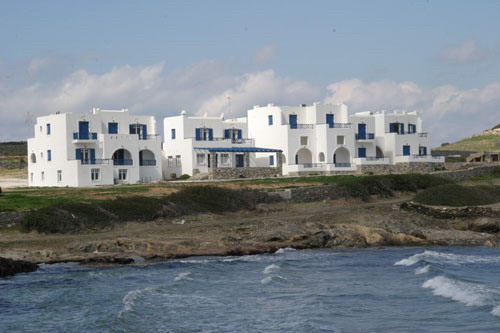 Accommodation
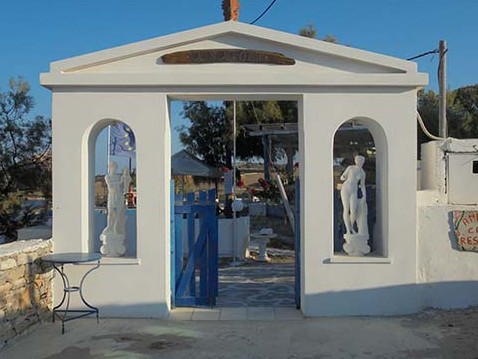 Accommodation
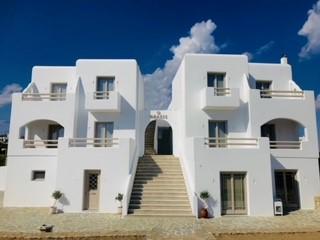 Accommodation
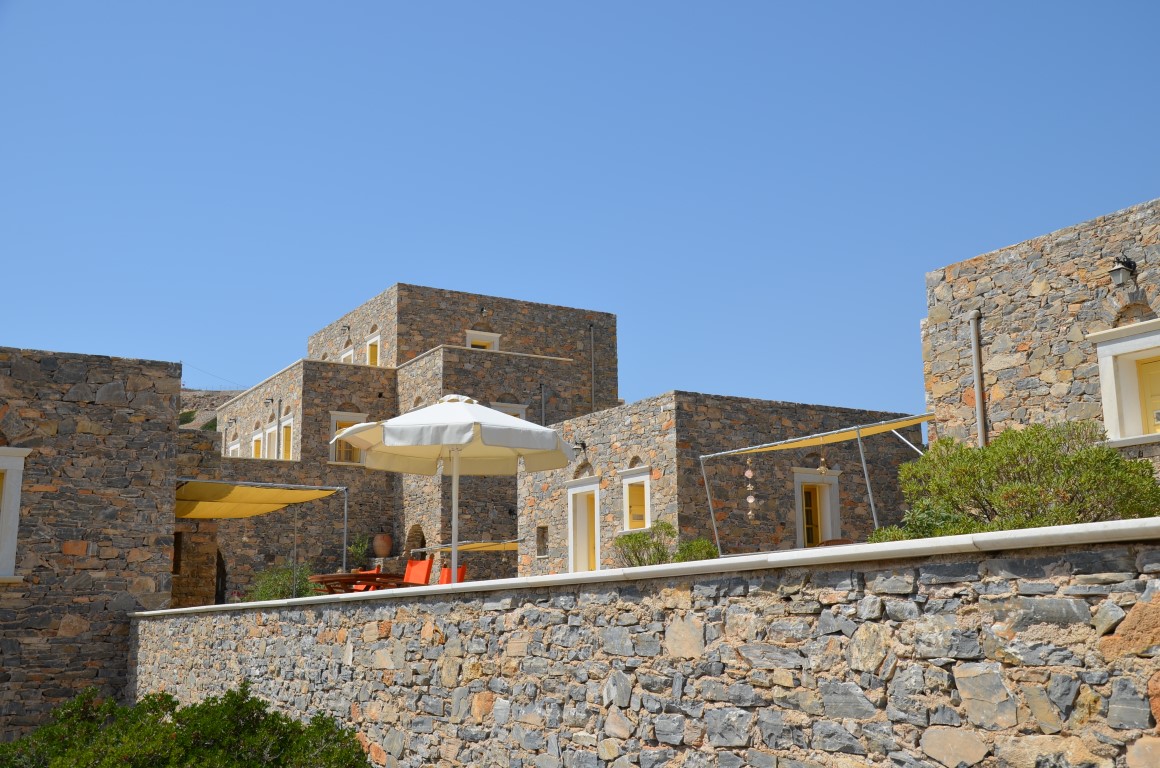 Accommodation
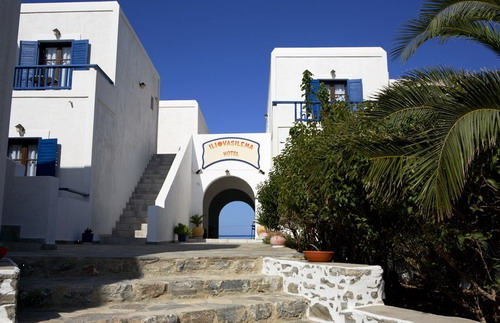 Accommodation
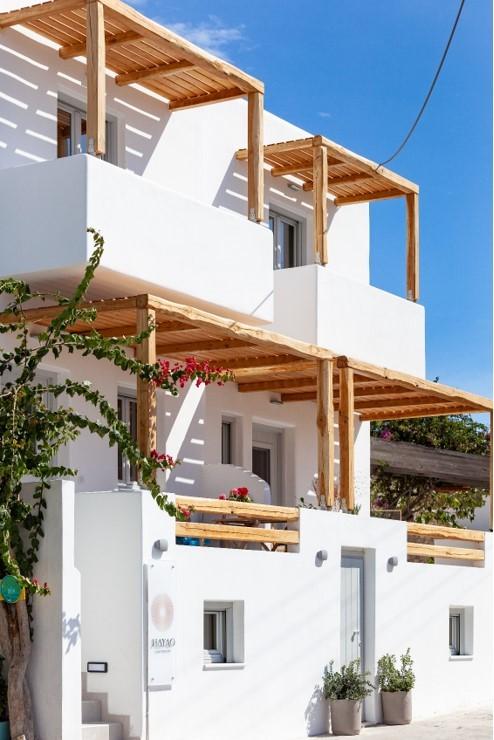 Accommodation
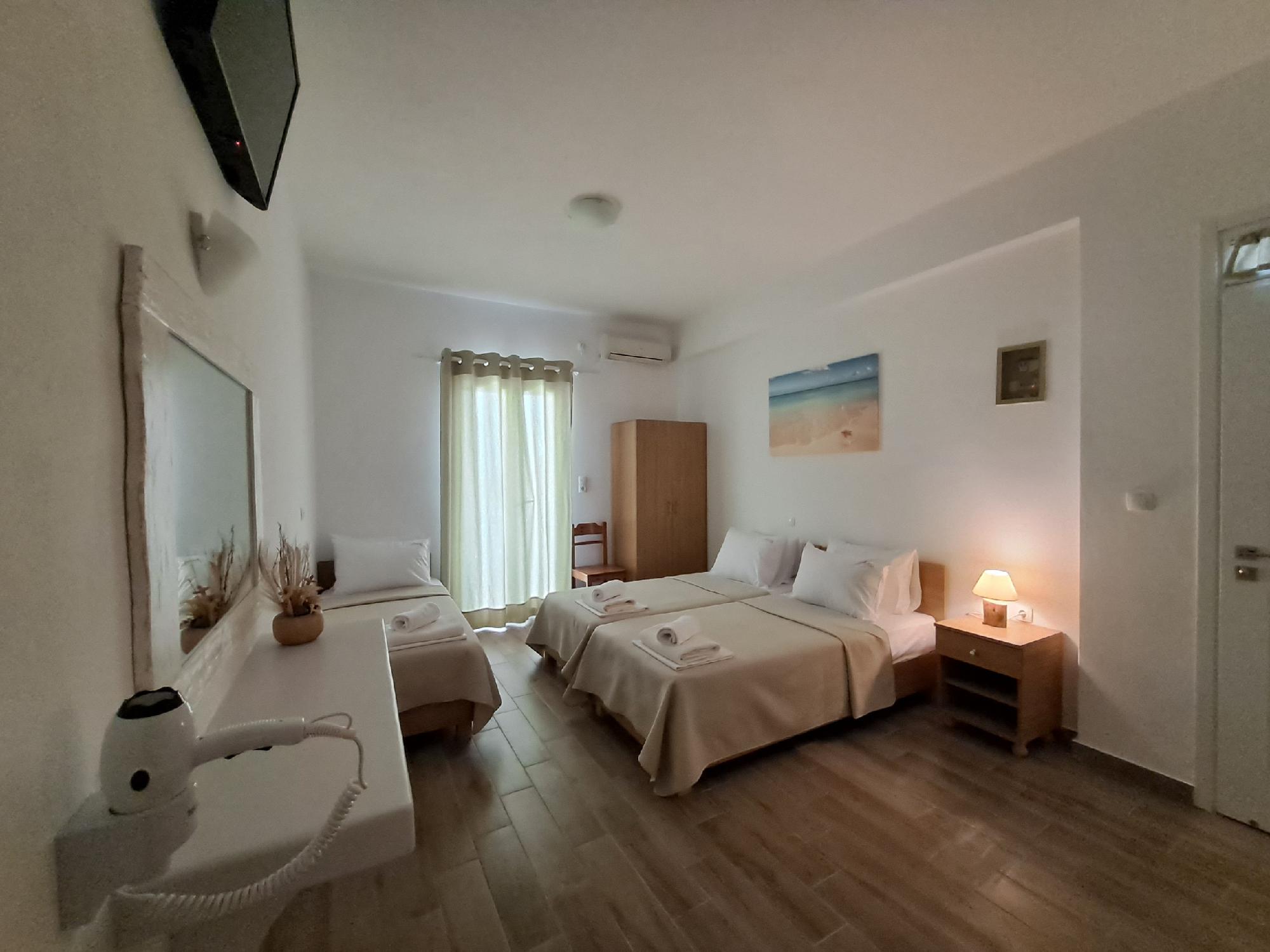 Accommodation
 Accommodation
The most popular beach and the closest to Chora, with golden sand, shallow turquoise waters and a taverna right by the water.
A large, open sandy beach to the south, with crystal-clear shallow waters and a calm, peaceful atmosphere.
A spacious, quiet sandy beach with soft sand and shallow waters — one of the island's most beautiful.
A remote, unspoiled beach with fine, golden sand, ideal for those seeking isolation.
A small, protected cove with sand and crystal-clear waters, often sheltered even when the meltemi blows.
A wild, isolated beach on the northern part of the island, set in a striking, bare landscape of deep tranquility.
A calm, natural sandy beach far from the crowds, for people who want the beach to themselves.
A secluded cove with sand and pebbles, in the quietest part of the island.
A small, picturesque bay with pebbles and crystal-clear waters, a refuge for small boats and fishermen.
A quiet sandy beach on the eastern coast, with golden sand and shallow, clear waters, next to the little church of the same name.
A secluded, calm beach in the east, with soft sand and serene, shallow waters.
An unspoiled, isolated sandy beach on the island's eastern side, for those seeking quiet.
A beach on the western coast with an open view to the west, ideal for enjoying the sunset.
Schoinousa has no airport. The port of Mersini is connected by ferry with Piraeus and Naxos, as well as with the other islands of the Small Cyclades (Iraklia, Koufonisia, Donousa) and Amorgos — ideal for island hopping in the complex.
The island is very small and most beaches can be comfortably reached on foot from Chora. For the more remote coves there is a local bus, while in summer small boats run trips to the beaches.
Combine Schoinousa with the neighbouring Cyclades.
Plan your own trip to Schoinousa, day by day, tailored to you — with the help of the aiTripPlanner.