Discover the Cyclades
Businesses, flavours and experiences across all the islands — choose a category.






Are you a business in the Cyclades?
List it for free and showcase it to thousands of visitors.
List now →
Businesses, flavours and experiences across all the islands — choose a category.
List it for free and showcase it to thousands of visitors.
List now →
Businesses, flavours and experiences across all the islands — choose a category.
List it for free and showcase it to thousands of visitors.
List now →
The beauty of simplicity and authentic Cycladic life
Kythnos has been inhabited for thousands of years: at Maroula, near Loutra, one of the oldest settlements in the Aegean came to light, dating to the Mesolithic period (around the 9th millennium BC). According to mythology, the island took its name from Kythnos, leader of the Dryopes, the ancient tribe that settled here — hence also the name Dryopida.
In antiquity the capital was ancient Kythnos (Vryokastro) on the west coast, a thriving city with temples and an agora that was continuously inhabited from the Geometric to the Roman era. The island took part in the Athenian League and was known for its mineral wealth — iron and copper — while its thermal springs had already made it famous.
In medieval times, after the Fourth Crusade, Kythnos passed to the Venetians and became a fiefdom of the Gozzadini family, who governed the island for centuries from the Castle of Oria at the northern tip. The Gozzadini held power unusually late — until the early 17th century — leaving their mark, such as the coat of arms at Agios Savvas in Chora.
Under Ottoman rule from 1617, the island retained its agricultural and seafaring character, with residents moving from the Castle to the present-day villages, Chora and Dryopida. After joining the Greek state, during the 19th and 20th centuries mining activity flourished (iron ore extraction at Katafyki), while in 1857 the thermal baths were officially organized. Today Kythnos relies on gentle tourism, keeping its authentic identity intact.
Monasteries, castles, ancient towns and hiking routes.
In Dryopida, one of the largest caves in the Cyclades. Used for centuries as an iron mine and as a shelter for residents during pirate raids; it impresses with its stalactites, galleries and stone landscape.
The therapeutic hot springs of Loutra, in operation since 1857. The waters of the Kakavos and Agioi Anargyroi springs, rich in minerals, are famous for their healing properties — which is why the island was named "Thermia".
The ruins of the island's medieval capital, on a steep rock at the northern tip. A fortified town that was abandoned after Venetian rule, with remains of houses and churches and a stunning view of the Aegean.
The island's patron saint, in a lush pine-covered landscape above the beach of the same name. It houses a miraculous icon and gathers crowds of pilgrims, especially on the Feast of the Assumption and the Feast of the Life-Giving Spring.
On the west coast, near Episkopi, the ruins of the ancient capital that was continuously inhabited from the Geometric to the Roman era, with temples, an agora and the funerary islet of Vryokastraki.
Near Loutra, one of the oldest settlements in the Aegean (Mesolithic period, ~9th millennium BC), with remains of dwellings and burials — a rare testimony of prehistoric life in the Cyclades.
Byzantine church in Chora (17th century), which bears the built-in coat of arms of the Venetian lords Gozzadini — a testimony to Latin rule on the island.
Housed in a traditional house in Dryopida, it presents objects, tools, costumes and scenes of everyday life of the people of Kythnos through the centuries.
Housed in the church of Agia Triada, it preserves icons, heirlooms and ecclesiastical objects from the island's numerous churches.
Isolated chapel on the wild west coast near the beach of the same name — a renowned chapel in an imposing landscape above the sea.
Above Chora stand the traditional stone windmills, symbols of the island's agricultural history and a popular viewpoint.
The island is dotted with more than 90 picturesque chapels, built on hills, coasts and ravines — an unbroken white presence that gives Kythnos its special character.
In the northern part of the island, the historic wind and solar park of Kythnos — one of the first in Greece (1980s) — that made the island a pioneer of renewable energy.
A picturesque monastery in the northern part of the island, dedicated to the Virgin Mary, in a quiet landscape overlooking the Aegean — a place of pilgrimage and serenity.
A historic chapel near Chora, dedicated to the Virgin Mary the Stratolatissa, with traditional Cycladic architecture.
The cuisine of Kythnos is sparse, authentic Cycladic — based on livestock farming, fish and the products of the dry land, with recipes passed down from generation to generation.
Accommodation, restaurants, activities and local products of the island.
Locations come live from the official Cyclades business directory.
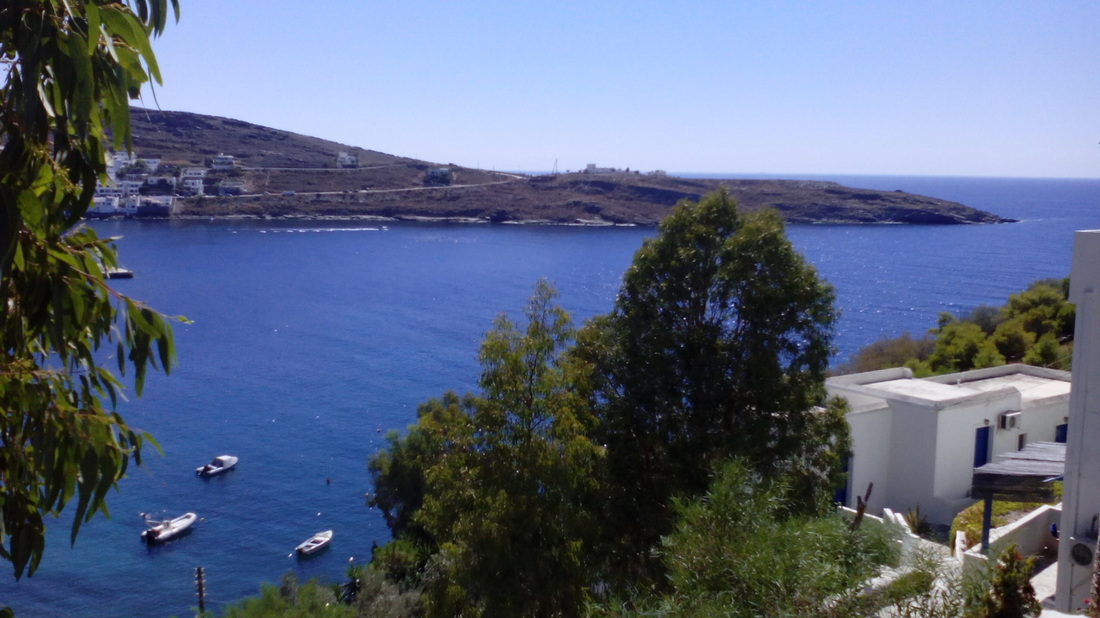 Accommodation
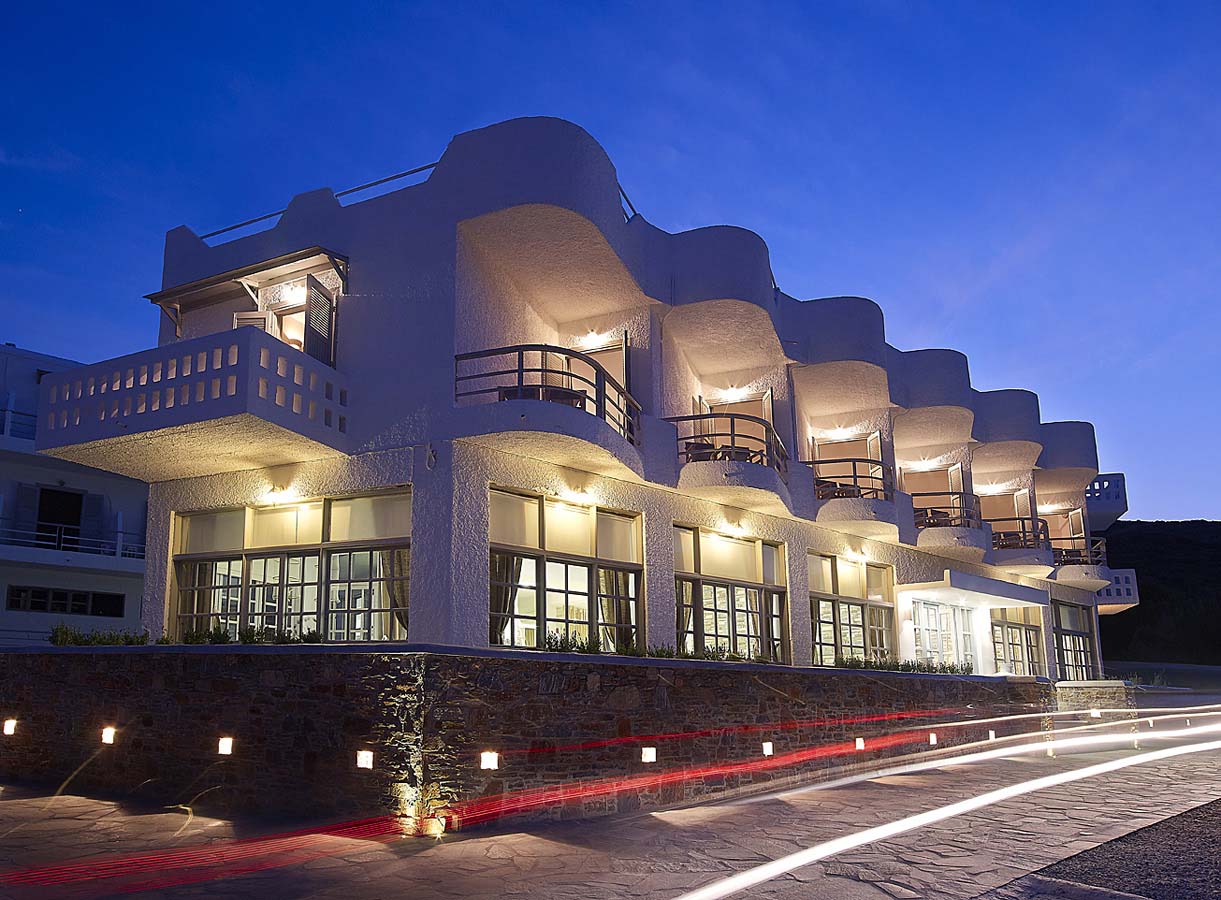 Accommodation
 Accommodation
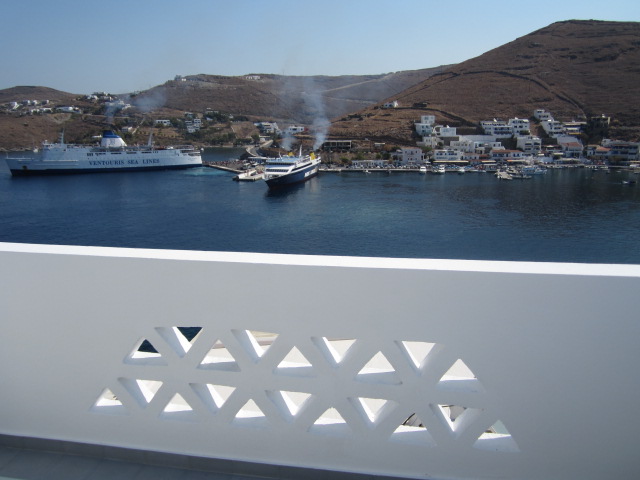 Accommodation
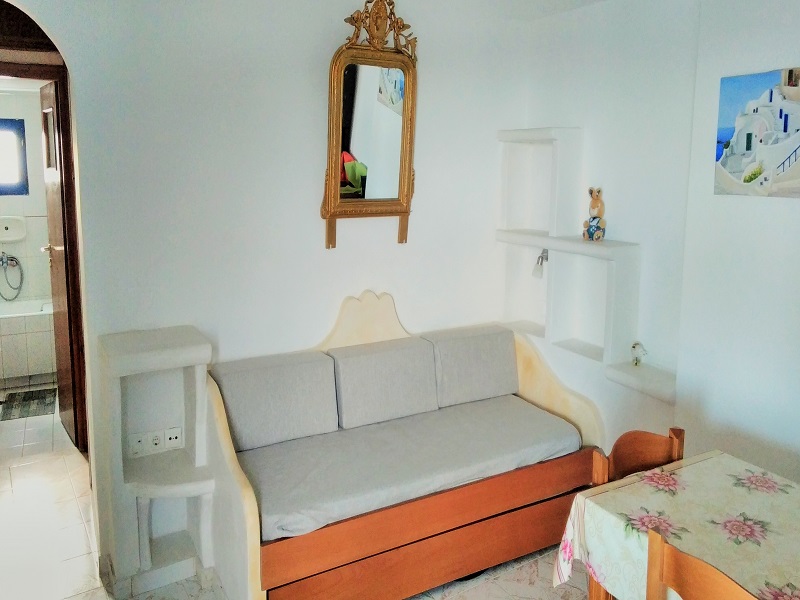 Accommodation
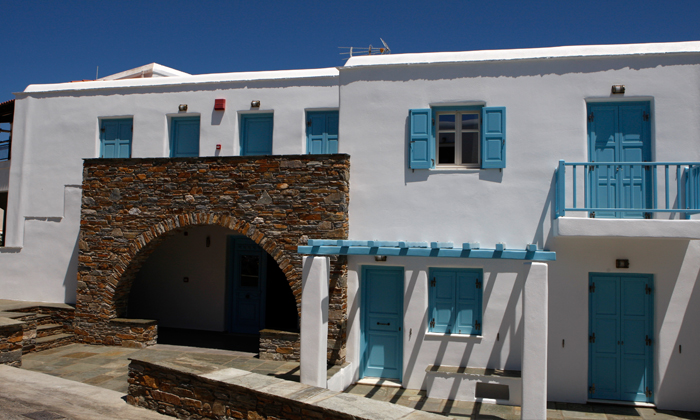 Accommodation
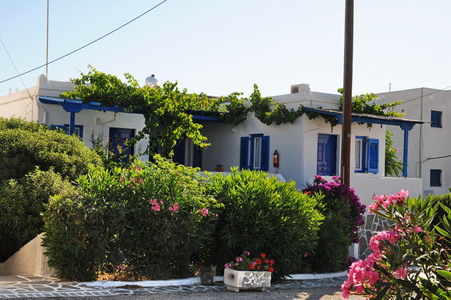 Accommodation
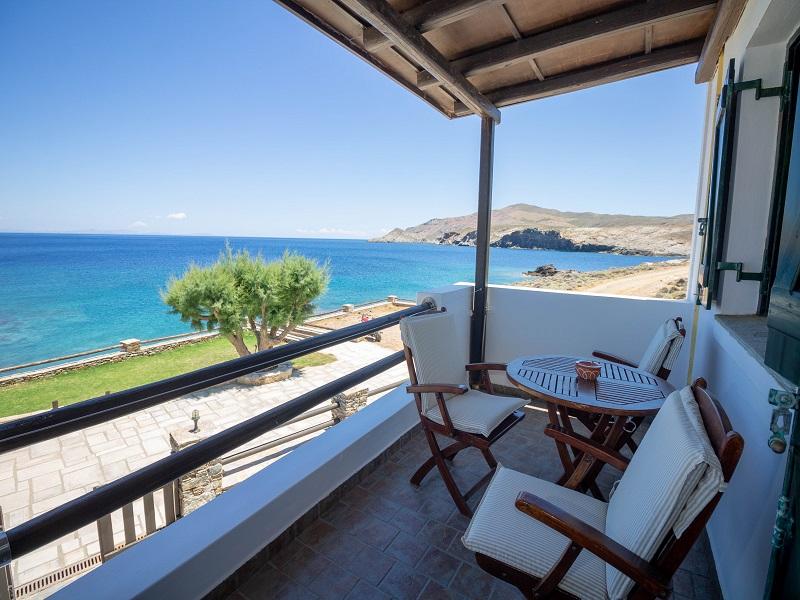 Accommodation
 Entertainment
 Entertainment
 Entertainment
 Entertainment
 Entertainment
 Activities
 Activities
 Local Products
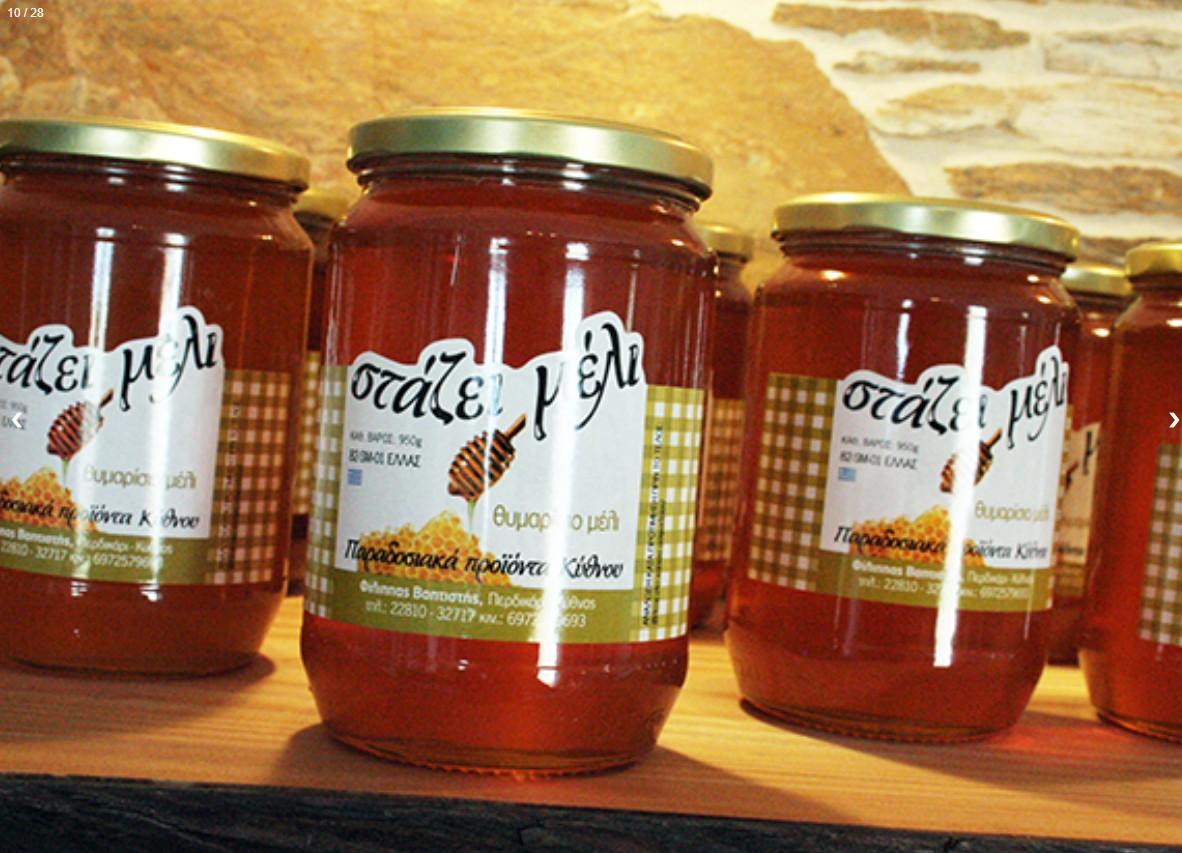 Local Products
 Local Products
 Local Products
 Local Products
The famous double sandy strip that connects the island to the islet of Agios Loukas — sea on the right and left, one of the most beautiful beaches in the Cyclades.
Large, organized beach with golden sand, shallow waters and tamarisk trees for shade, right next to Kolona.
Beach in the settlement of the same name, where the thermal hot spring flows warm into the sea — a swim and a treatment in one.
Sheltered, shallow bay with fine sand near Merichas — ideal for families with children.
Small, convenient sandy beach with taverns, right by the port of Merichas — the closest for a quick swim.
Family beach with golden sand and a pine-covered landscape, beneath the monastery of Panagia Kanala.
Quiet, lush green sandy beach with pines in the Kanala area, ideal for relaxing away from the crowds.
Seaside settlement with a quiet sandy beach and a picturesque little church, near Loutra.
Calm, secluded cove with pebbles and clear waters on the northern side of the island.
Secluded sandy beach with crystal clear waters, accessible by dirt road — for those seeking quiet.
Remote beach on the west coast, near the chapel of Panagia Flampouriani — a wild, charming landscape.
Untouched sandy beach at the southern tip, accessible mainly by boat or a rough path — absolute isolation.
A secluded sandy beach next to Kolona, behind the hill of Agios Loukas, a favorite of naturists — reached on foot or by boat.
A large, golden sandy beach with shallow waters near Kanala, ideal for families.
A quiet beach at the southern tip of the island, with sand, a few taverns and calm waters, far from the crowds.
A secluded pebble cove with clear waters on the northern side, for those seeking solitude.
A twin sandy beach in a deep, verdant bay on the east, below the settlement of Potamia — accessible by dirt road or boat.
Kythnos has no airport. The port of Merichas is connected by ferry to Lavrio (~2 hours) and Piraeus (~3 hours), as well as to the other western Cycladic islands (Serifos, Sifnos, Milos, Kimolos) — ideal for a quick getaway from Attica.
A local bus connects Merichas with Chora, Dryopida, Loutra and Kanala. For the more remote beaches, car or scooter rentals are the most convenient option, while some coves can be reached by boat from Merichas.
Combine Kythnos with the neighbouring Cyclades.
Plan your own trip to Kythnos, day by day, tailored to you — with the help of the aiTripPlanner.