Discover the Cyclades
Businesses, flavours and experiences across all the islands — choose a category.





Are you a business in the Cyclades?
List it for free and showcase it to thousands of visitors.
List now →
Businesses, flavours and experiences across all the islands — choose a category.
List it for free and showcase it to thousands of visitors.
List now →
Businesses, flavours and experiences across all the islands — choose a category.
List it for free and showcase it to thousands of visitors.
List now →
The Cycladic island of energy and freedom
The history of Amorgos is lost in the depths of the centuries and is inextricably linked to the evolution of the Aegean and Cycladic civilisation. In antiquity the island was known by various names, such as Pagali, Psychia, Karkisia and Melania. According to ancient geographers and lexicographers, Amorgos had three important cities: Arkesini at the site of Kastri, Minoa at the site of Moundoulia near Katapola, and Aegiali at the site of Vigla in Tholaria.
Archaeological finds show that the island was first inhabited as early as the 5th millennium BC, revealing the significant contribution of Amorgos to the shaping of Cycladic civilisation. They also confirm the island's close ties with Naxos, Paros and other parts of the Aegean.
During the 3rd millennium BC Amorgos experienced the peak of Cycladic civilisation, which left as a precious legacy the famous Cycladic figurines that today are symbols of the prehistoric art of the Aegean. The Mycenaean period followed, and later the island was settled by Milesians from Asia Minor and by Naxians. In classical times it took part in the First Athenian Alliance, playing an active role in the events of the era.
From the 3rd to the 2nd century BC, Amorgos passed successively under the influence and dependence of various powers of the eastern Mediterranean, such as the Macedonians, the Ptolemies, the Samians, the Rhodians and later the Romans. During the Hellenistic period the cults of the time prevailed, while in the 4th century AD the gradual Christianisation of the ancient places of worship took place.
Frequent raids by Saracen pirates during the Byzantine years forced the inhabitants to organise their defence. For this purpose they fortified themselves in the Castle of Chora, in Kastri and in an extensive network of 23 defensive towers scattered across the whole island.
A special place in the history of Amorgos is held by the miraculous icon of Panagia Hozoviotissa, which, according to tradition, arrived on the island from Palestine during the period of Iconoclasm. In 1088, Emperor Alexios I Komnenos funded the renovation of the Monastery of Panagia Hozoviotissa, one of the most important Byzantine monuments of the Aegean and a timeless symbol of Amorgos.
During the Venetian period, the island acquired new architectural features, traces of which survive to this day. Among the most important monuments of the era stand out Gavras Tower, Kato Lakkos and the characteristic paved "loze" (loggias).
The period of Ottoman rule marked a time of economic growth and ecclesiastical revival for Amorgos. In 1822 the island became the seat of a Province of the emerging Greek state, and in 1829, funded by the Monastery of Panagia Hozoviotissa, one of the first schools of the newly founded Greek state was established.
After the Second World War, Amorgos faced a significant decline in population due to the internal and external migration of its inhabitants. However, in recent decades the island has entered a new period of growth, with tourism becoming a key pillar of the local economy and showcasing internationally the unique natural beauty, history and authentic Cycladic identity of Amorgos.
Monasteries, castles, ancient towns and hiking routes.
A timeless jewel of religious and historical importance for Amorgos, the Byzantine monastery of Panagia Hozoviotissa. Rich in historical relics with a distinctive architecture, it draws crowds of visitors.
At the top of Chora stands the medieval Castle, built in the 13th century during Venetian rule. Around it spreads one of the most beautiful settlements of the Cyclades, with white alleys, windmills and the picturesque Loza square.
In the bay of Liverio, near Kalotaritissa, lies the legendary shipwreck "Olympia" — the ship made world-famous through Luc Besson's film "The Big Blue". One of the island's most photographed spots.
Above Chora rise the traditional windmills, a hallmark of the Cycladic landscape. Once they ground the island's wheat; today they offer one of the most impressive views over the Aegean.
The Archaeological Museum of Amorgos hosts finds from the island's three ancient cities — Minoa, Arkesini and Aegiali: sculptures, inscriptions, vases and coins that illuminate the region's ancient history.
Above Katapola survive the ruins of ancient Minoa, with a temple dedicated to Apollo and a gymnasium, while in the Lefkes area a quiet landscape unfolds, with old paths and views of the open sea.
A mansion of the Venetian period in the heart of Chora, Gavras Tower is one of the island's most important monuments and houses the archaeological collection of Amorgos.
In Kato Meria lie the ruins of ancient Arkesini, one of the three ancient cities of Amorgos, with an acropolis at Kastri and the impressive Hellenistic tower of Agia Triada.
A Byzantine monastery above Aigiali, reached along a cobbled path within a protected NATURA 2000 area — a place of stillness with panoramic views over the Aegean.
Amorgos cuisine is based on local ingredients, traditional recipes and love.
Accommodation, restaurants, activities and local products of the island.
Locations come live from the official Cyclades business directory.
 Accommodation
 Accommodation
 Accommodation
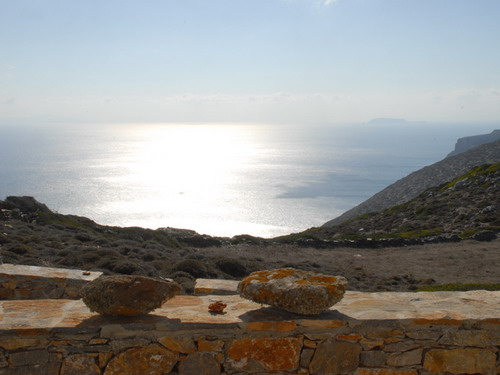 Accommodation
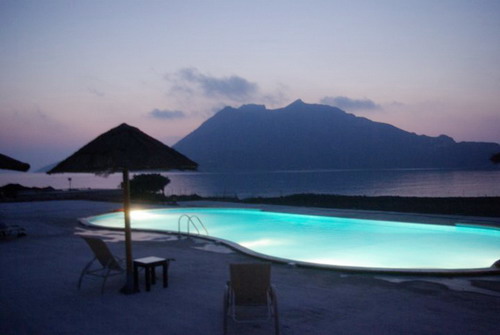 Accommodation
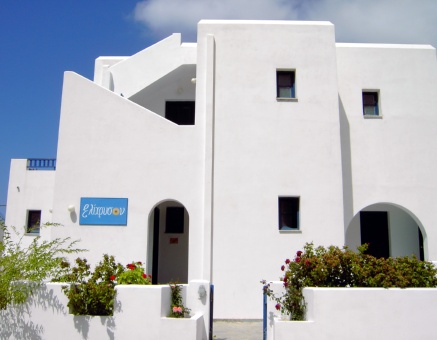 Accommodation
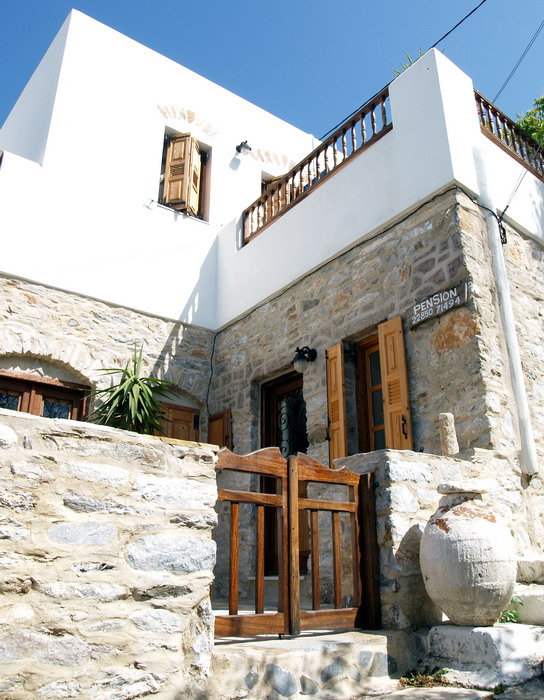 Accommodation
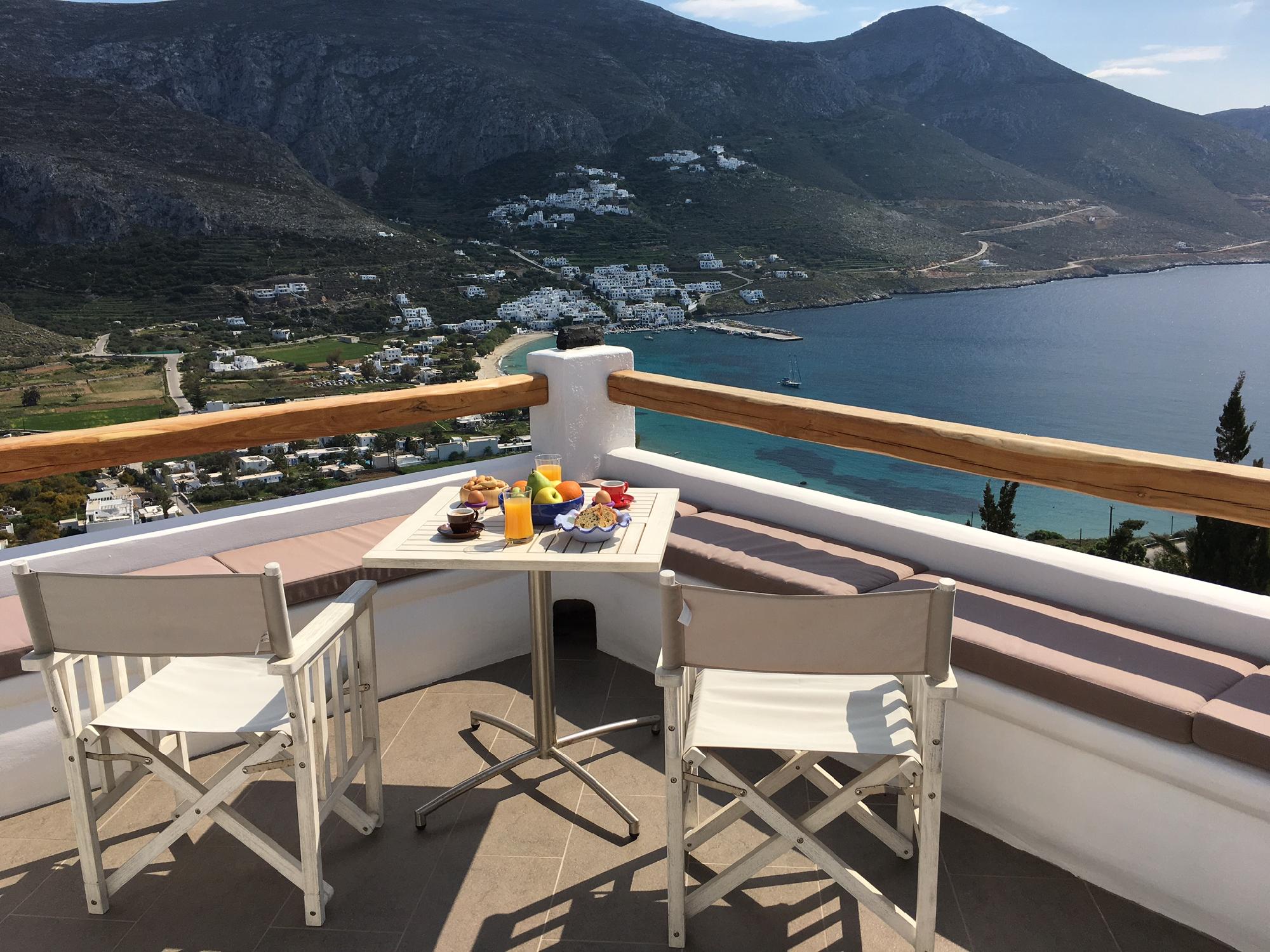 Accommodation
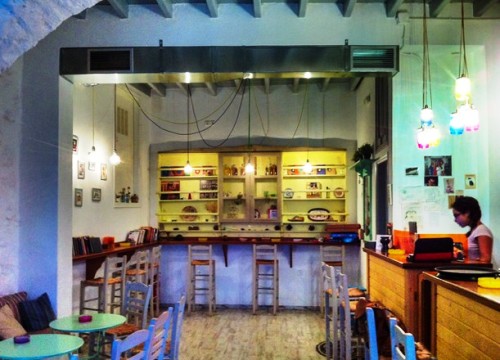 Entertainment
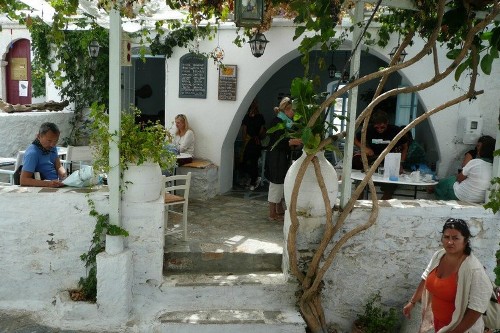 Entertainment
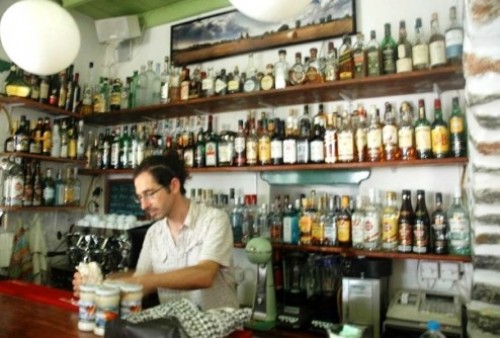 Entertainment
 Entertainment
 Entertainment
 Entertainment
 Entertainment
 Entertainment
 Activities
 Activities
 Activities
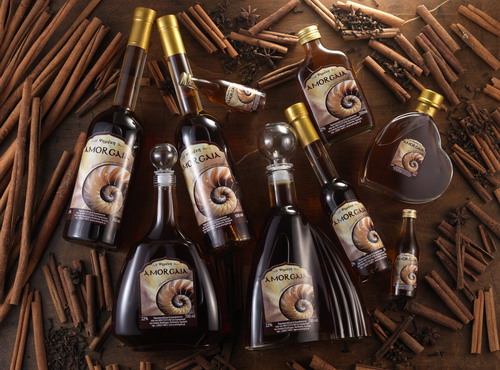 Local Products
 Local Products
 Local Products
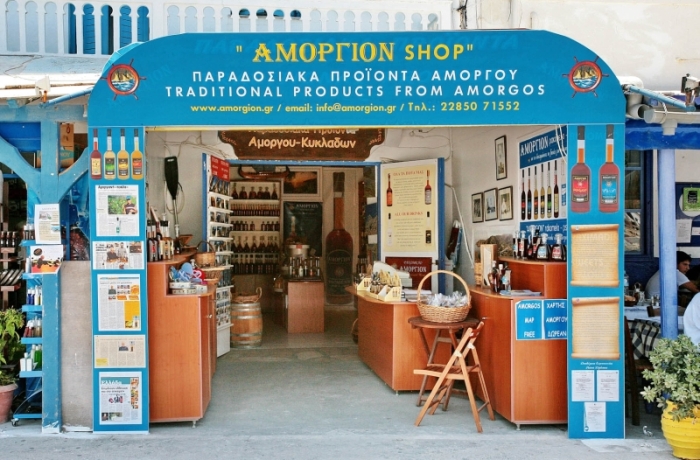 Local Products
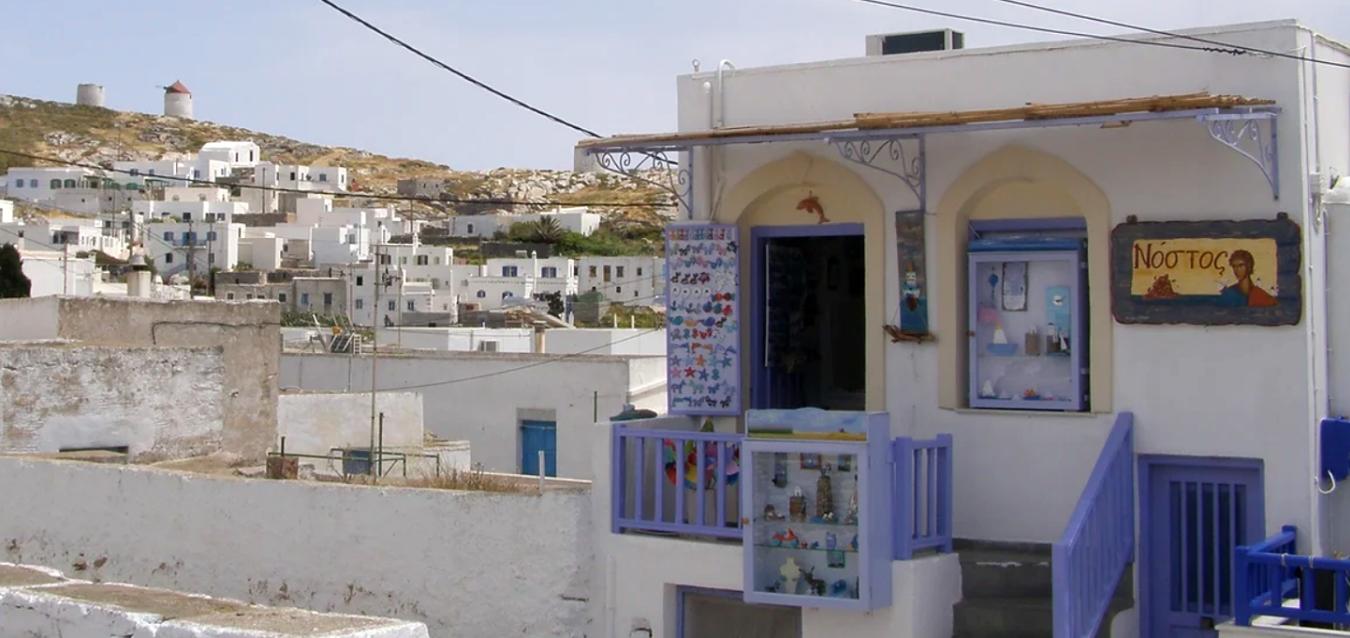 Local Products
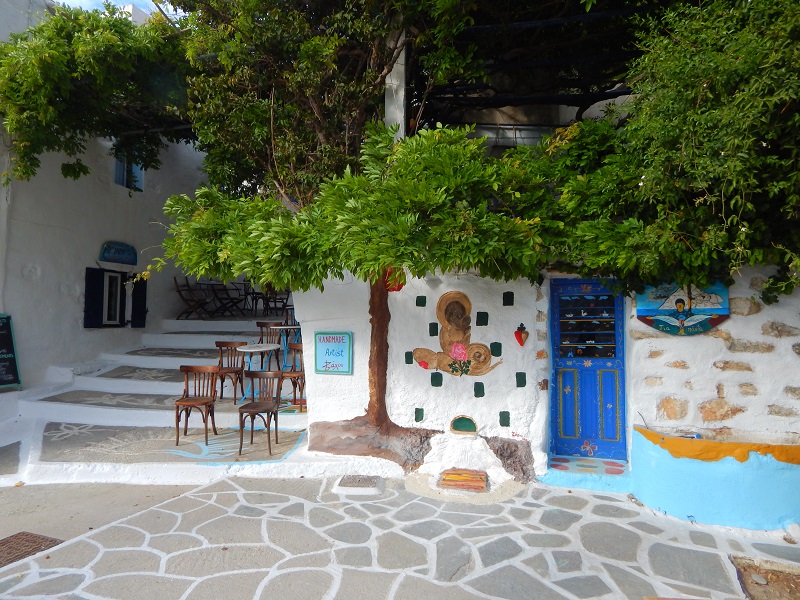 Local Products
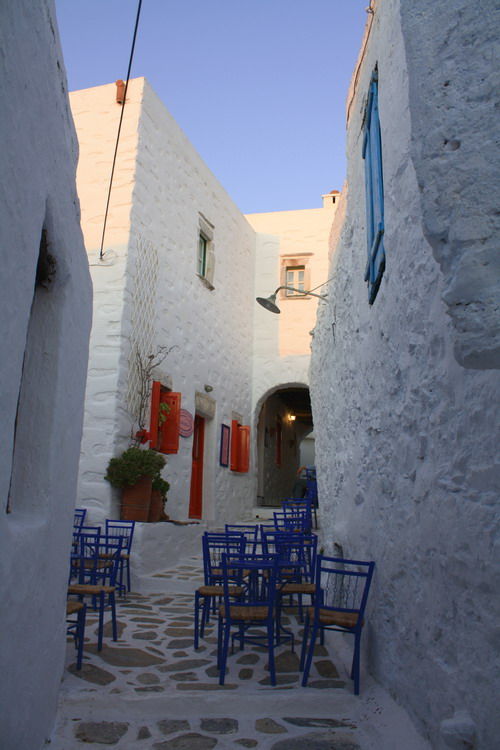 Local Products
The magical seascape below Hozoviotissa — famous from "The Big Blue".
The large, beautiful sandy beach at the port of Aegiali, with tamarisk trees for shade.
A small, secluded sandy beach right across from Aegiali.
A quiet beach with fine sand, next to Levrossos.
A secluded pebble beach in the same area, across from Aegiali.
Gorgeous, deserted pebble beaches — by boat from the sea or on foot from Tholaria (~30′).
Rocky shores on the north-eastern side of the island.
A rocky shore, a continuation of Kroukellou.
An impressive bay with a huge 500-metre chasm.
A narrow, long coastal strip with small pebbles and flat rocks.
A small, picturesque cove next to Agia Anna.
A secluded pebble beach near Agia Anna.
An imposing pebble beach on the southern side of the island.
A beach at the southern tip, next to Mouros.
A small, sandy beach at the southern tip of the island.
A beautiful beach, travelling north again.
A pebbled, deserted beach near Katapola.
A pristine, quiet shore near Katapola.
A wonderful beach right next to the port of Katapola.
A quiet beach next to Martezi.
A beach with a fantastic sunset, across from the islet of Nikouria.
The islet opposite Agios Pavlos, with shallow, deep-blue waters and sandy shores — reachable by caique in just a few minutes, ideal for a quiet swim.
Amorgos has no airport — access is only by ferry. From Piraeus the routes arrive at Katapola (the main port, 6–9 hours) or at Aegiali (the northern port). The island is also connected to Naxos, Paros, Donousa, Koufonisia, Schinoussa, Iraklia, Santorini and Mykonos — ideal for island hopping in the Small Cyclades.
A local bus (KTEL) connects Katapola – Chora – Aegiali and the villages. There are car and scooter rentals, while some beaches are reached by boat or only on foot along the trails.
Combine Amorgos with the neighbouring Cyclades.
Plan your own trip to Amorgos, day by day, tailored to you — with the help of the aiTripPlanner.