Discover the Cyclades
Businesses, flavours and experiences across all the islands — choose a category.






Are you a business in the Cyclades?
List it for free and showcase it to thousands of visitors.
List now →
Businesses, flavours and experiences across all the islands — choose a category.
List it for free and showcase it to thousands of visitors.
List now →
Businesses, flavours and experiences across all the islands — choose a category.
List it for free and showcase it to thousands of visitors.
List now →
The island of marble and kindness
Paros has been inhabited since the 3rd millennium BC and was an important center of the Cycladic Civilization. Its great fame, however, was linked to Parian marble — the famous "lychnites", a translucent white marble considered the finest of the ancient world, from which masterpieces such as the Venus de Milo were carved.
In antiquity Paros was rich and powerful, with colonies such as Thasos. It gave birth to the lyric poet Archilochus (7th century BC) and the sculptor Scopas. It took part in the Persian Wars and later in the Athenian Alliance.
During the Byzantine period Ekatontapyliani was founded, while after the Fourth Crusade (1207) the island passed to the Venetians and was incorporated into the Duchy of the Aegean. The Sanudo family built the Castle of Parikia on top of an ancient temple.
Under Ottoman rule, Naousa was used as a naval base of the Russian fleet of Orlov (1770–1775). Paros took an active part in the Revolution of 1821 — Manto Mavrogenous came from here. In modern times, the island has developed into one of the most popular tourist destinations of the Cyclades.
Monasteries, castles, ancient towns and hiking routes.
The "church with a hundred doors" is one of the most important early Christian monuments in Greece. According to tradition, it was founded in the 4th century by Saint Helen and renovated under Justinian. An impressive complex of churches with a unique baptistery.
Inside the Ekatontapyliani complex, it houses icons, liturgical vessels and heirlooms that illuminate the island's Byzantine history.
Houses finds from ancient Paros, including a fragment of the "Parian Chronicle" and important examples of the famous Parian marble sculpture.
The 13th-century Venetian Castle was built by the Sanudo family on the ruins of an ancient temple — ancient marble columns can still be seen in its walls.
The half-submerged 15th-century castle at the entrance of Naousa's harbor is the village's landmark — accessible on foot through the shallows.
Next to Parikia's harbor, the ancient cemetery (8th century BC–3rd century AD) reveals funerary monuments and sarcophagi from the city's past.
On a hill above Parikia, the sanctuary of Apollo and Artemis (Delion) offered the ancients a view towards sacred Delos.
The ruins of the ancient healing sanctuary of Asclepius, on a lush hillside south of Parikia.
At Marathi, the galleries of the ancient quarries survive, from which the famous "lychnites" was extracted — the translucent Parian marble that became the Venus de Milo and the Hermes of Praxiteles.
Collections of traditional costumes, tools and objects that tell the story of everyday life in old Paros.
A modern cultural venue in Parikia, with exhibits dedicated to the island's art and history.
Atop Kefalos hill above Marpissa, a 17th-century monastery reached by a 30-minute uphill walk, with panoramic views over the Aegean.
A quiet monastery set within a pine forest near Parikia, dedicated to Saint Arsenios.
In Psychopiana, one of the most important habitats in Greece — a lush green valley that fills with butterflies each summer.
In Marpissa, showcasing traditional architecture, furniture and objects from old Parian life.
Parian cuisine marries the sea with the land — local cheeses, wine of protected designation of origin, and fresh fish.
Accommodation, restaurants, activities and local products of the island.
Locations come live from the official Cyclades business directory.
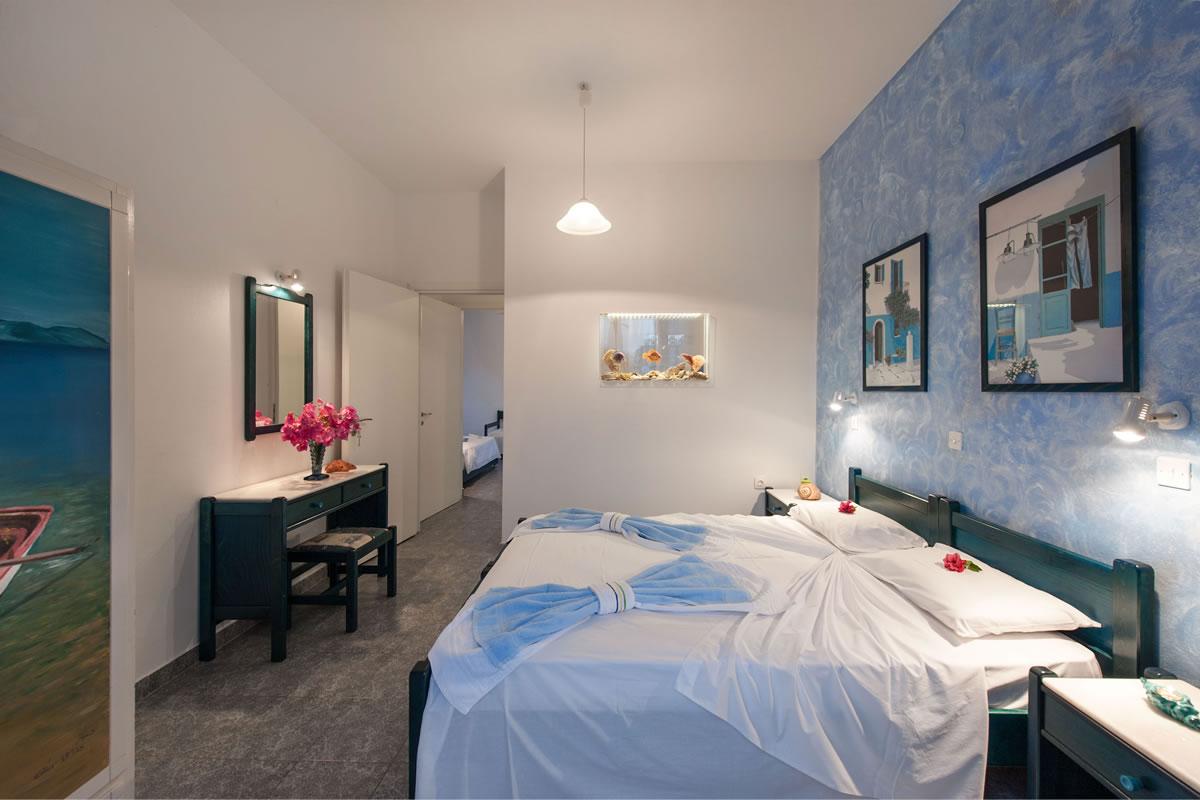 Accommodation
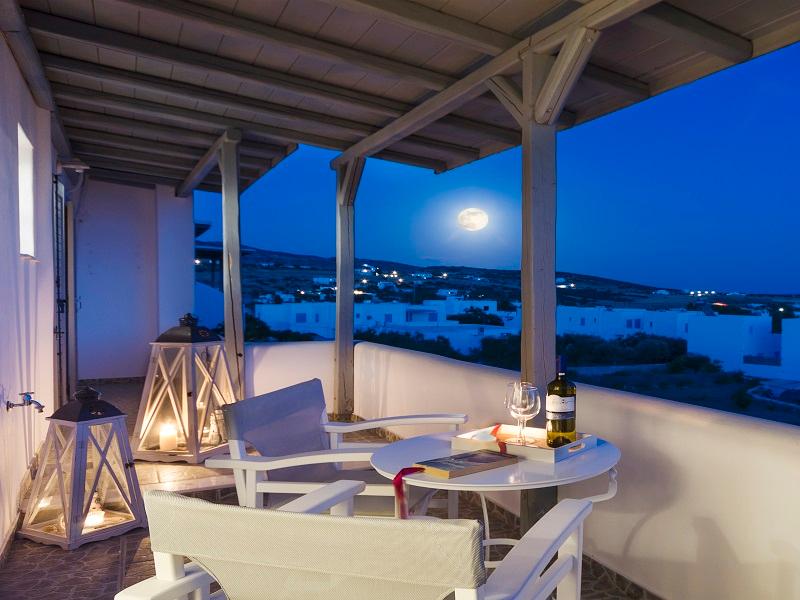 Accommodation
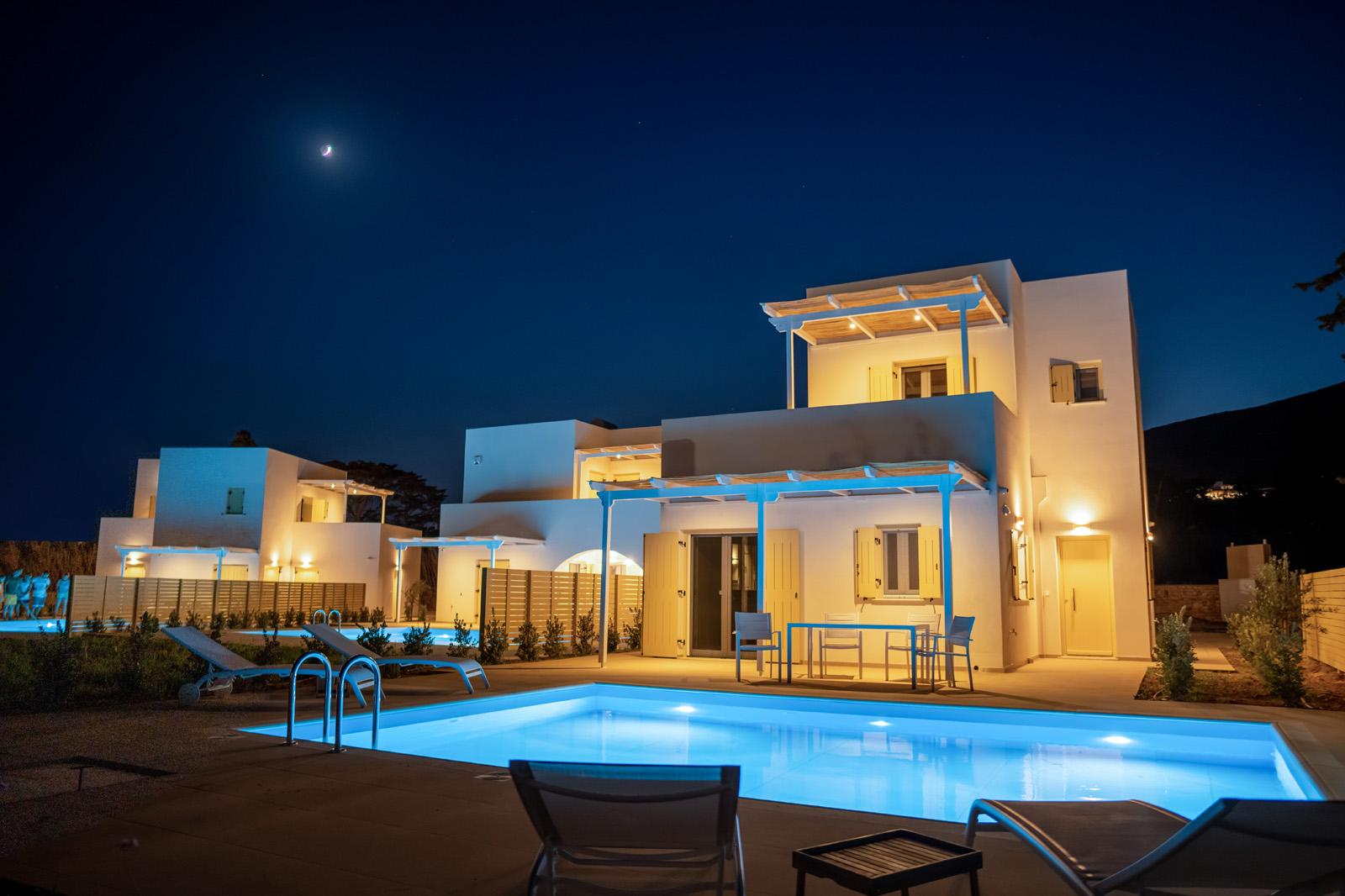 Accommodation
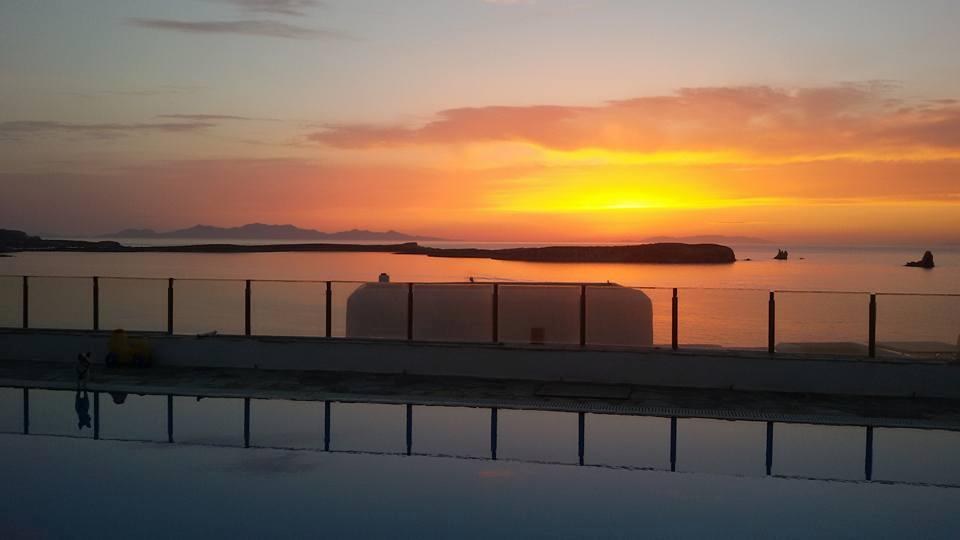 Accommodation
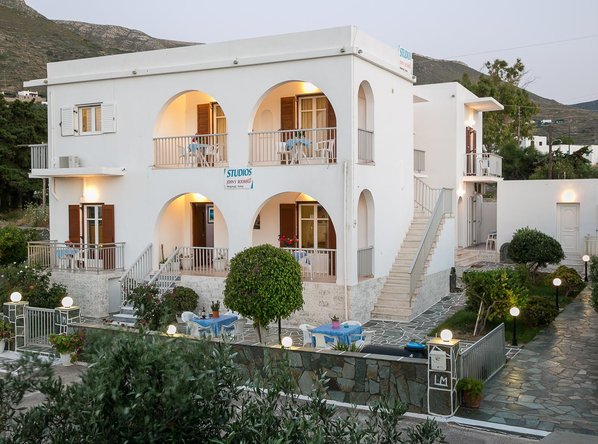 Accommodation
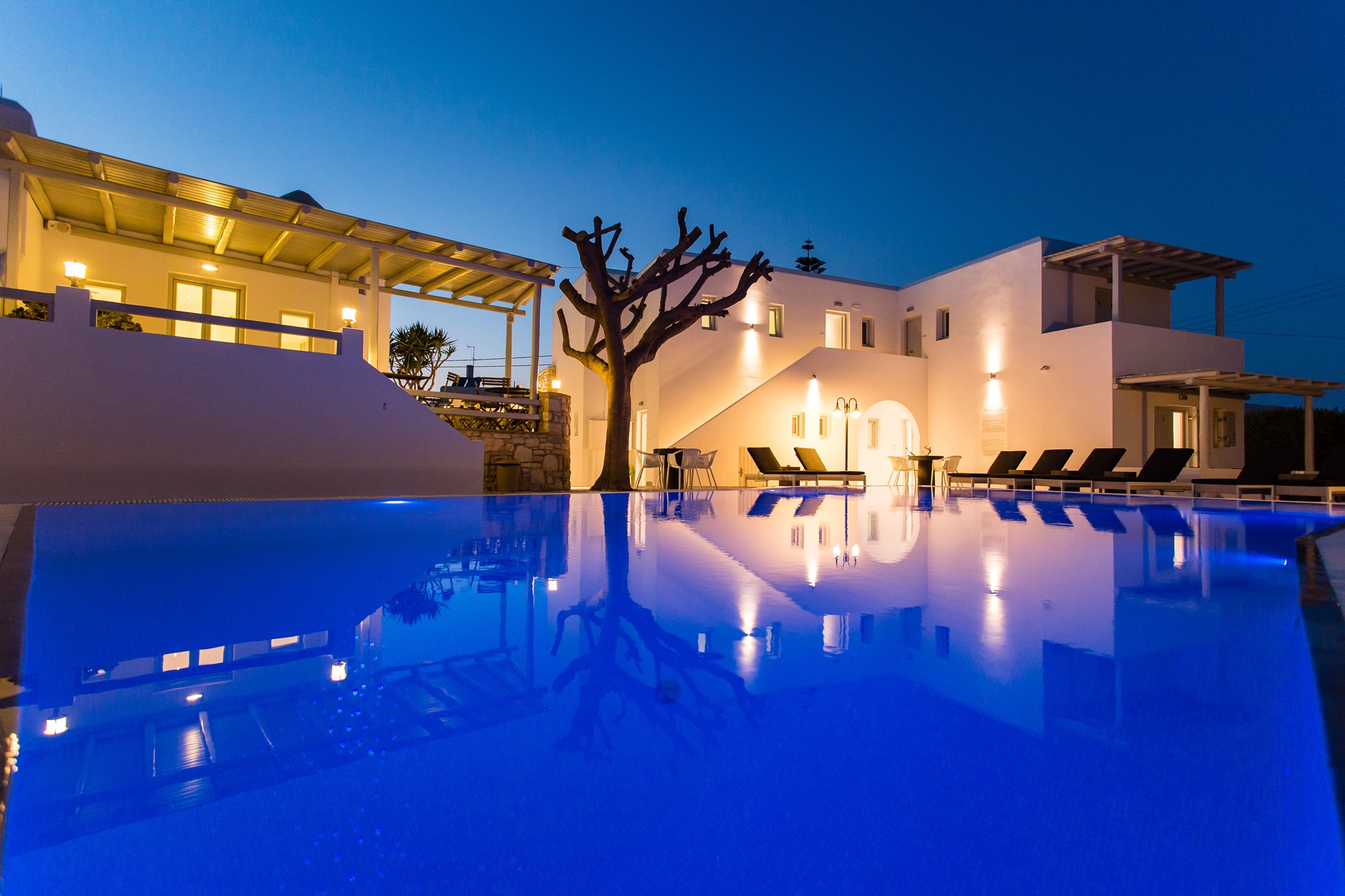 Accommodation
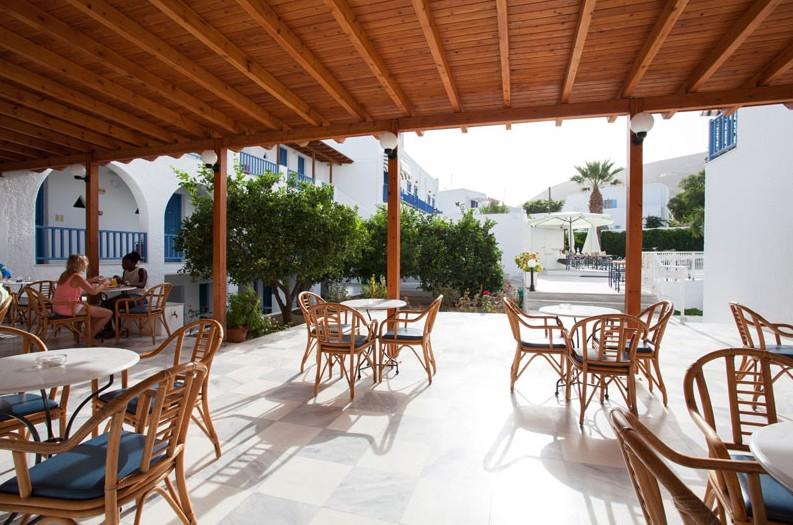 Accommodation
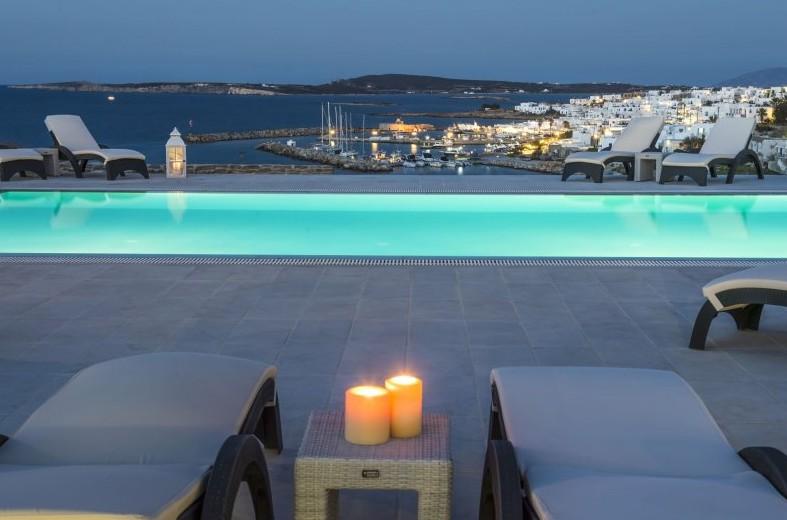 Accommodation
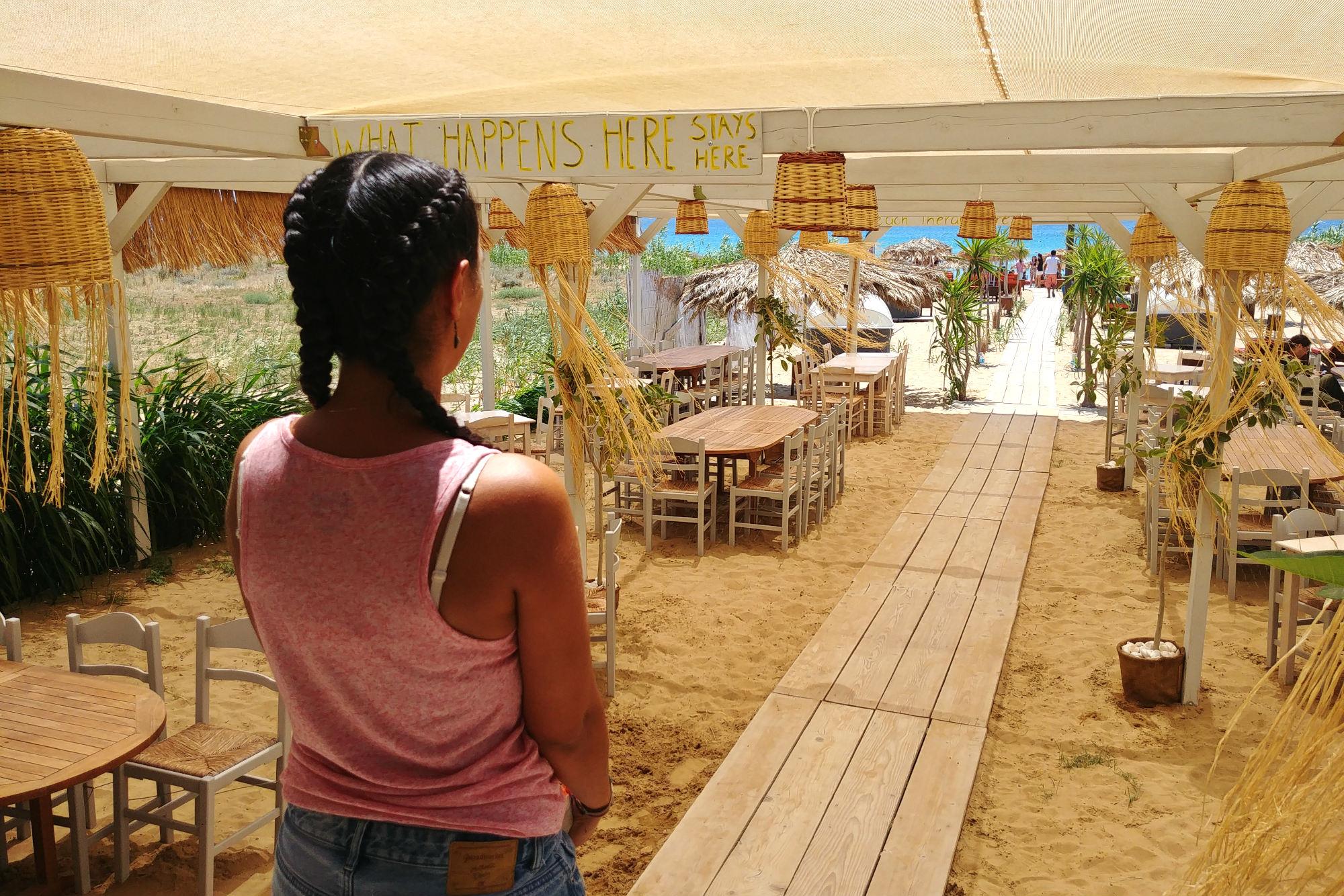 Entertainment
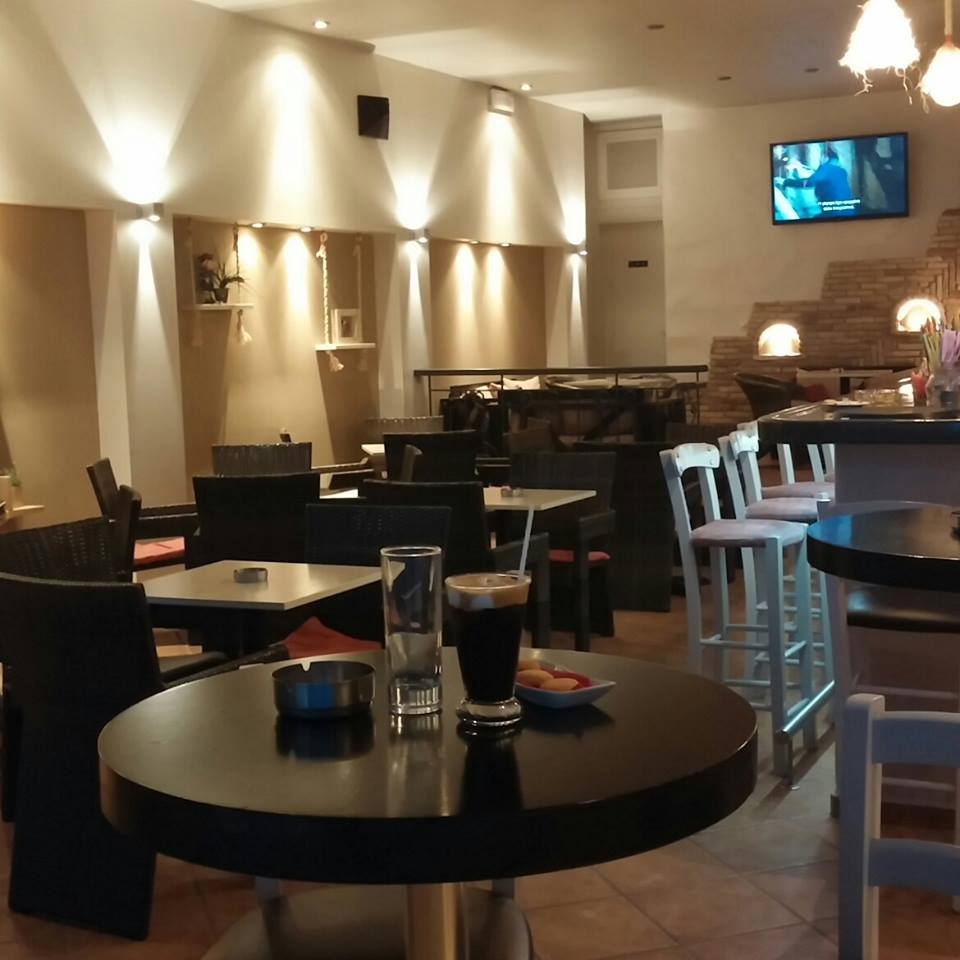 Entertainment
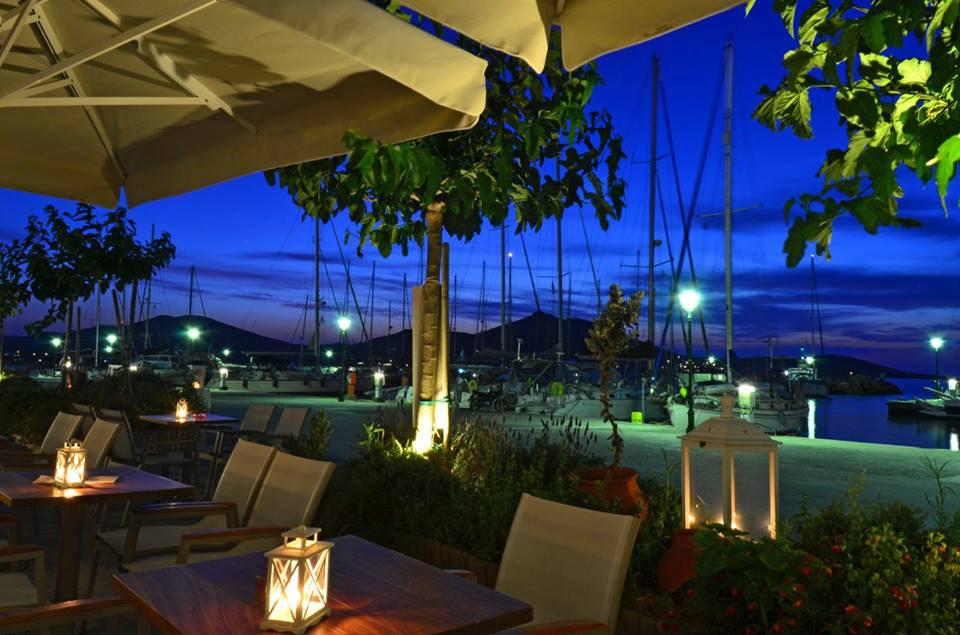 Entertainment
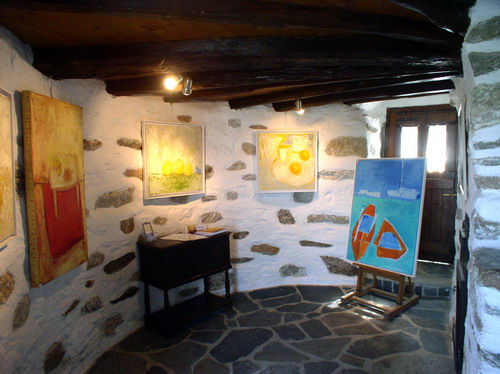 Entertainment
 Entertainment
 Entertainment
 Entertainment
 Entertainment
 Activities
 Activities
 Activities
 Activities
 Activities
 Activities
 Activities
 Activities
 Local Products
 Local Products
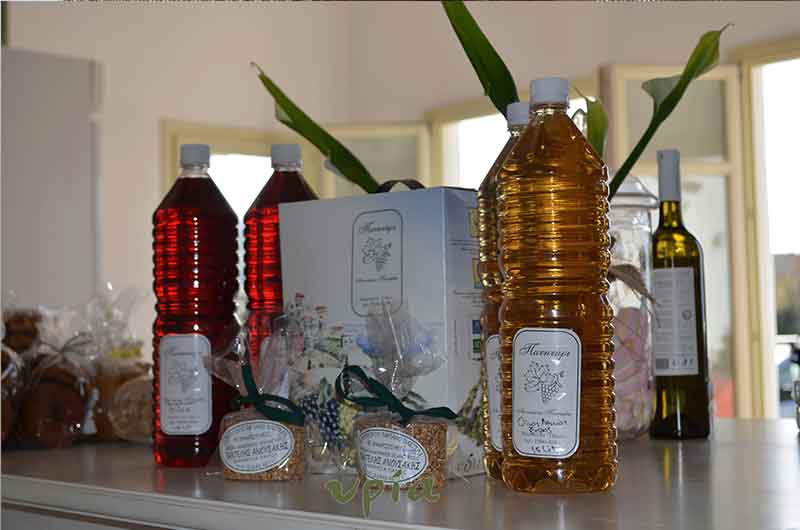 Local Products
 Local Products
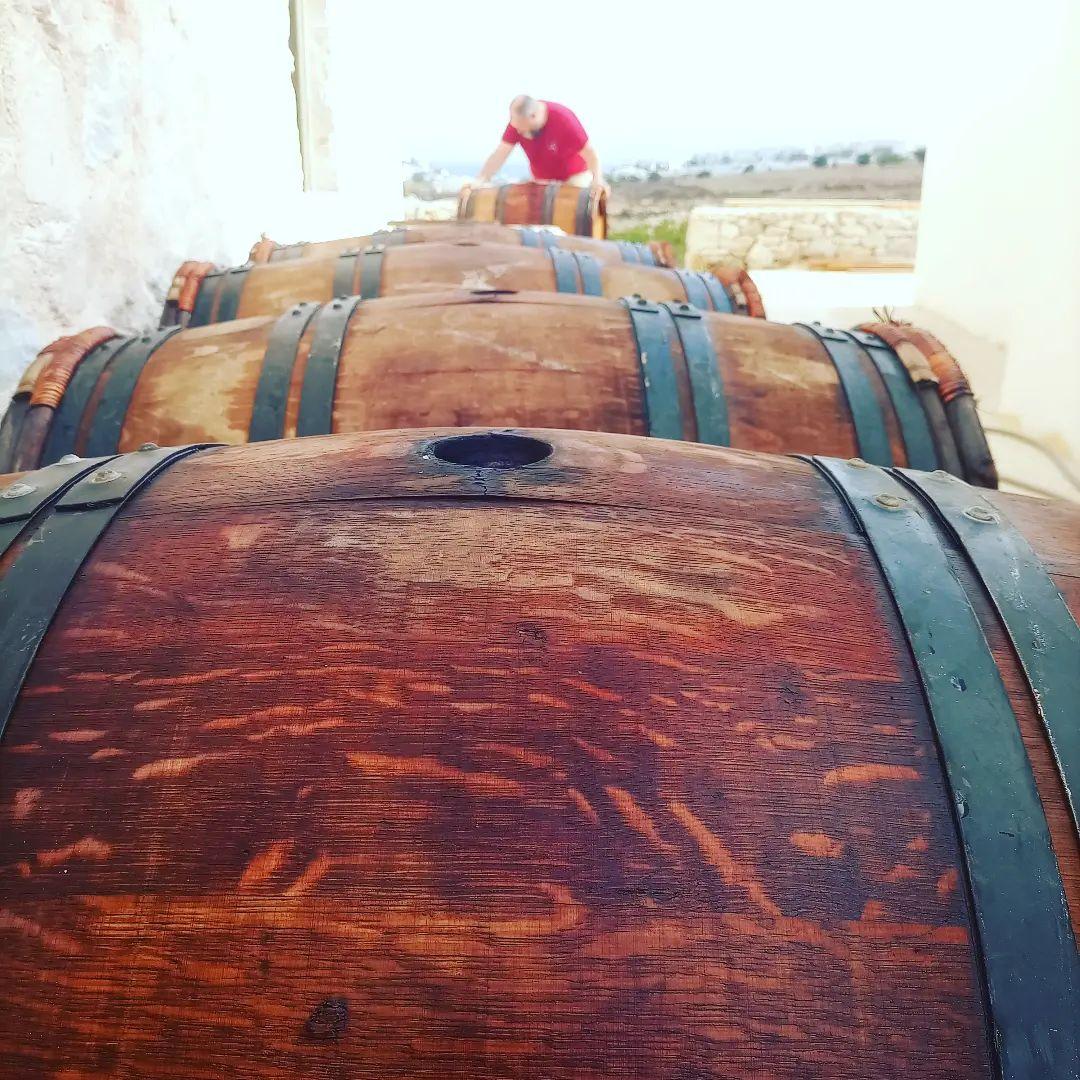 Local Products
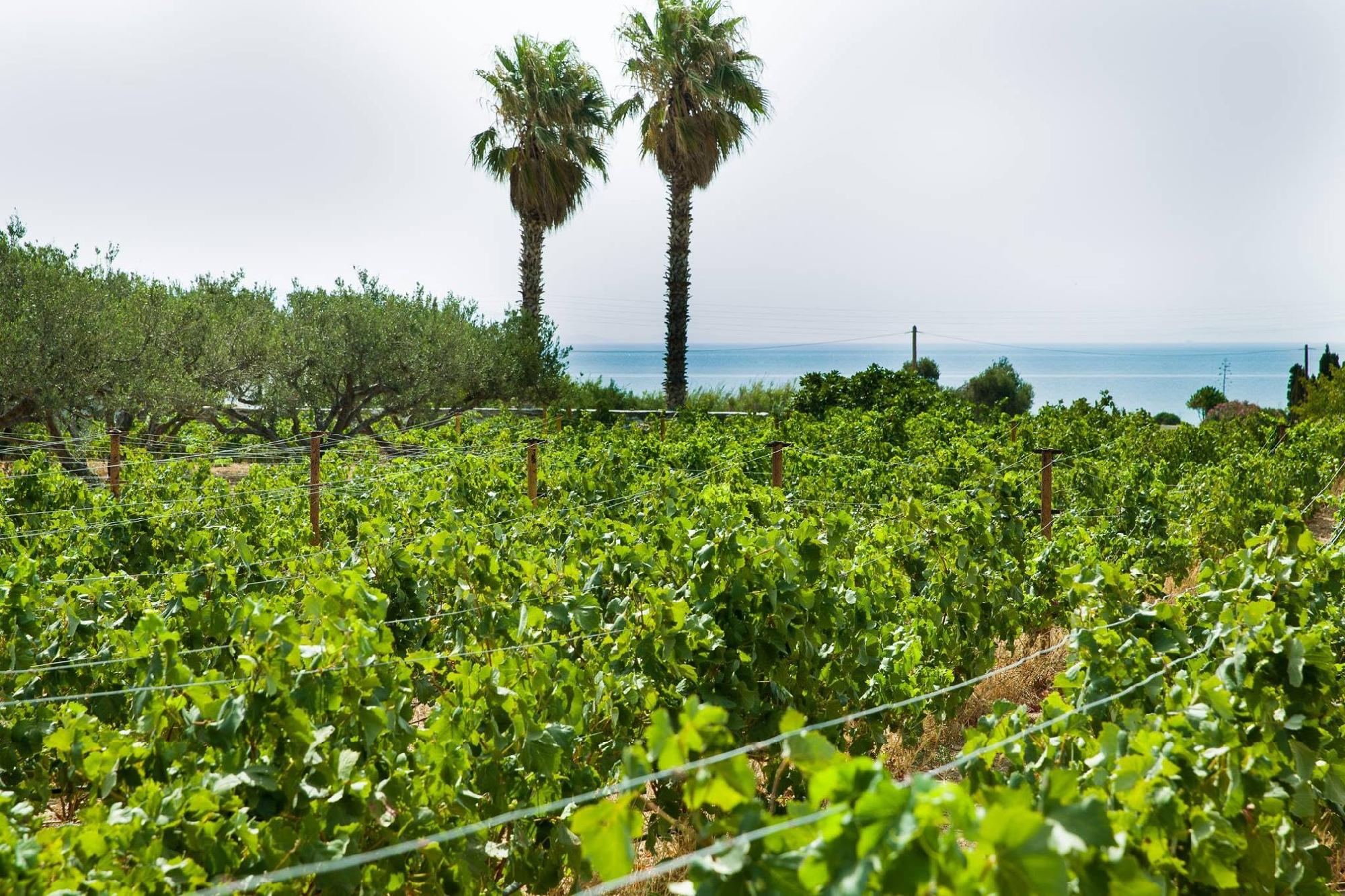 Local Products
 Local Products
 Local Products
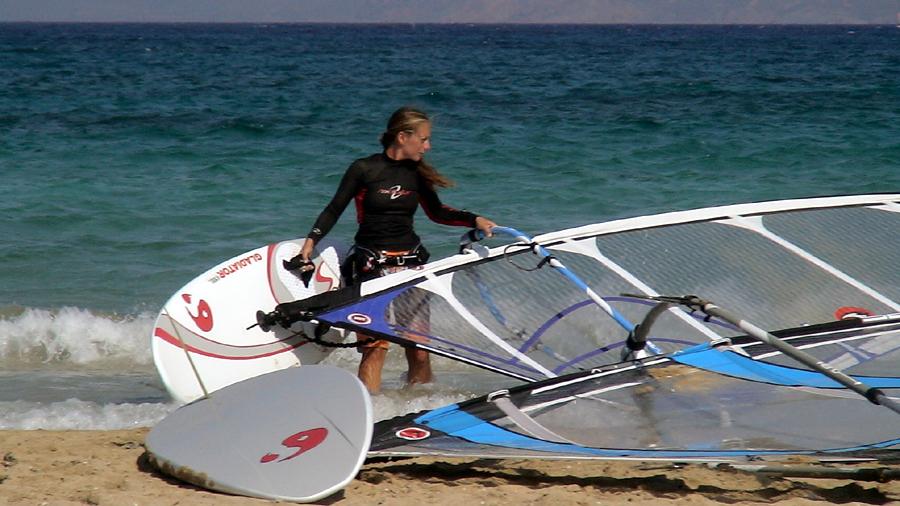
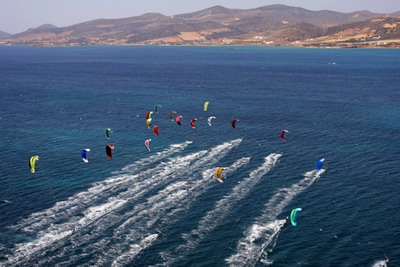
The largest beach in Paros, with golden sand — a world destination for windsurfing.
Famous for windsurfing, it has hosted a world championship.
Quiet sandy beach with impressive granite rocks forming natural coves, near Naousa.
Extensive sandy beach at the northeastern tip, with water sports and beach bars.
Popular, organized sandy beach just north of Parikia.
Large Blue Flag beach, ideal for families.
Clean sandy beach with tamarisk trees and fish taverns, in a picturesque small harbor.
Comfortable sandy beach with shallow waters, next to Parikia.
Opposite Parikia, with a wonderful view of the harbor — also accessible by boat.
2.5 km south of Parikia, a popular sandy beach with beach bars — a favorite among young people.
A protected beach with palm trees, 4 km south of Parikia, with shallow, clear waters.
Facing Antiparos (10 minutes by ferry), with hotels, taverns and water sports.
An organized beach in Naousa bay, below the monastery — turquoise waters.
Fine sand and dunes 1.5 km from Naousa, reachable by water taxi or car.
A small protected beach in a picturesque fishing village, with taverns right by the water's edge.
A protected beach with seaside taverns in eastern Paros.
At the northern end of Parikia bay, near the Cave of Archilochus.
Paros has an airport with flights from Athens (~35′). By sea, the two ports — Parikia and Naousa — are connected to Piraeus (3–5 hours) and to almost all of the Cyclades, making Paros an ideal hub for island hopping.
A dense KTEL bus network connects Parikia – Naousa – villages – beaches. There are plenty of rental cars, motorbikes and bicycles; Antiparos is just 10′ away by ferry.
Combine Paros with the neighbouring Cyclades.
Plan your own trip to Paros, day by day, tailored to you — with the help of the aiTripPlanner.