Discover the Cyclades
Businesses, flavours and experiences across all the islands — choose a category.






Are you a business in the Cyclades?
List it for free and showcase it to thousands of visitors.
List now →
Businesses, flavours and experiences across all the islands — choose a category.
List it for free and showcase it to thousands of visitors.
List now →
Businesses, flavours and experiences across all the islands — choose a category.
List it for free and showcase it to thousands of visitors.
List now →
The silvery charm of slowness and Cycladic hospitality
Kimolos has been inhabited since prehistoric times and gave its name to kimolia (chalk) — the white, absorbent rock (Kimolos earth) mined here since antiquity and exported throughout the Mediterranean, used in cleaning, dyeing and medicine. The island was one of the first outposts of the Cycladic Civilization at the southwestern edge of the archipelago.
In antiquity, the city of Kimolos stood at what is now Ellinika, on the western coast, where the sunken ruins and extensive necropolises can be seen today. The island minted its own coinage and was closely linked with neighboring Milos. Geological changes gradually submerged a large part of the ancient city into the sea.
In medieval times, Kimolos passed, along with the rest of the Cyclades, to the Venetian Duchy of the Aegean. Relentless pirate raids forced the inhabitants to fortify themselves: first at Paliokastro inland, and later at the Kastro of today's Chora, with the wall-houses forming a defensive ring. Ottoman rule followed, with the island maintaining a maritime and agricultural life.
After incorporation into the Greek state in the 19th century, Kimolos's economy relied on fishing, livestock farming and, above all, mineral mining — kimolia (chalk), bentonite and perlite. In recent decades, the island has deliberately kept its quiet, authentic character unchanged, promoting soft tourism as an alternative to the mass development of larger destinations.
Monasteries, castles, ancient towns and hiking routes.
The medieval fortified settlement of Chora, divided into Mesa and Exo Kastro. The outer houses form a continuous wall for protection against pirates, while inside, old churches and the Church of Christ from 1592 survive.
The striking geological formation shaped like a mushroom or umbrella, in the island's western part. It was created by the differential erosion of volcanic rocks — white and dark — and is Kimolos's most recognizable symbol.
The ruins of the medieval capital, atop a hill in the island's interior. The fortified settlement was destroyed by a pirate raid, leading the inhabitants to build today's Chora.
On the western coast, on the isthmus opposite the islet of Agios Andreas, lie the sunken ruins of the ancient city of Kimolos — walls, tombs and building remains lost to the sea through geological changes.
The largest uninhabited island in the Aegean, facing Kimolos. A protected Natura 2000 area, with wild goats, imposing rocks and turquoise coves — accessible only by boat.
In Chora, it houses geometric, archaic and classical vessels, figurines and finds from Ellinika and the island's necropolises, illuminating Kimolos's long history.
Housed in Chora, it presents traditional daily life, maritime tradition and the trades of the people of Kimolos through objects, tools and photographs.
A historic church in Chora, one of the island's most important religious monuments, safeguarding old icons and ecclesiastical treasures.
Near Prassa beach, hot mineral waters bubble up — evidence of the island's volcanic nature, known since antiquity for their therapeutic properties.
The two fishing villages with the "syrmata", colorful boat garages carved into the rock for storing boats — among the most picturesque spots on the Kimolos coastline.
The historic Church of Christ inside the Kastro of Chora, built in 1592 — one of the oldest and most important monuments on Kimolos.
The parish church of Chora, dedicated to Saint John Chrysostom, with a remarkable carved wooden iconostasis and old icons.
Kimolos cuisine is simple, authentic and deeply connected to the land and the sea — local cheeses, fresh fish and traditional doughs found in only a few corners of the Cyclades.
Accommodation, restaurants, activities and local products of the island.
Locations come live from the official Cyclades business directory.
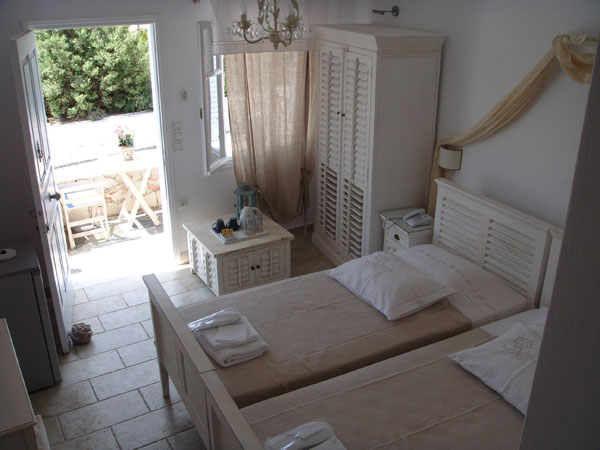
 Accommodation
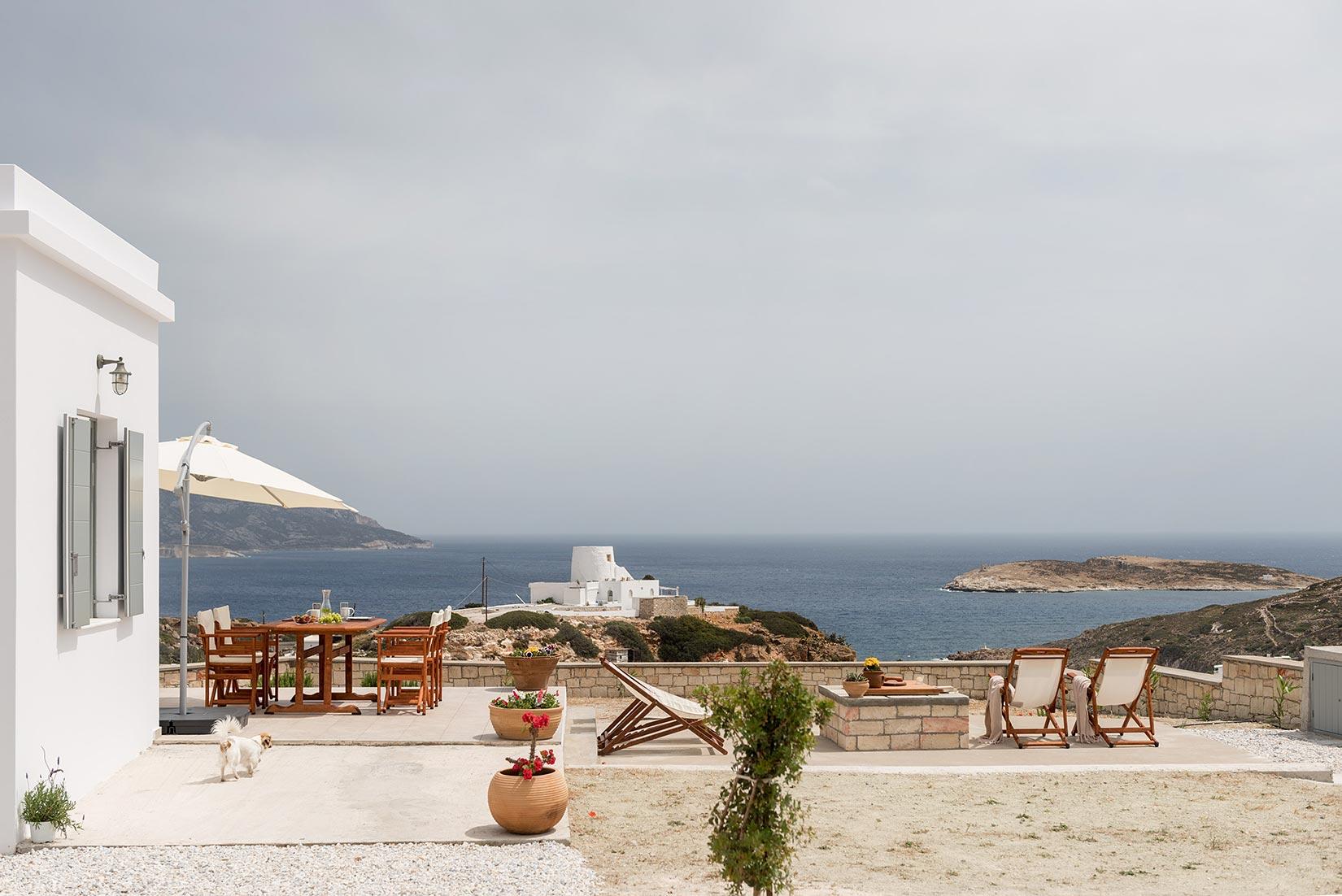
 Accommodation
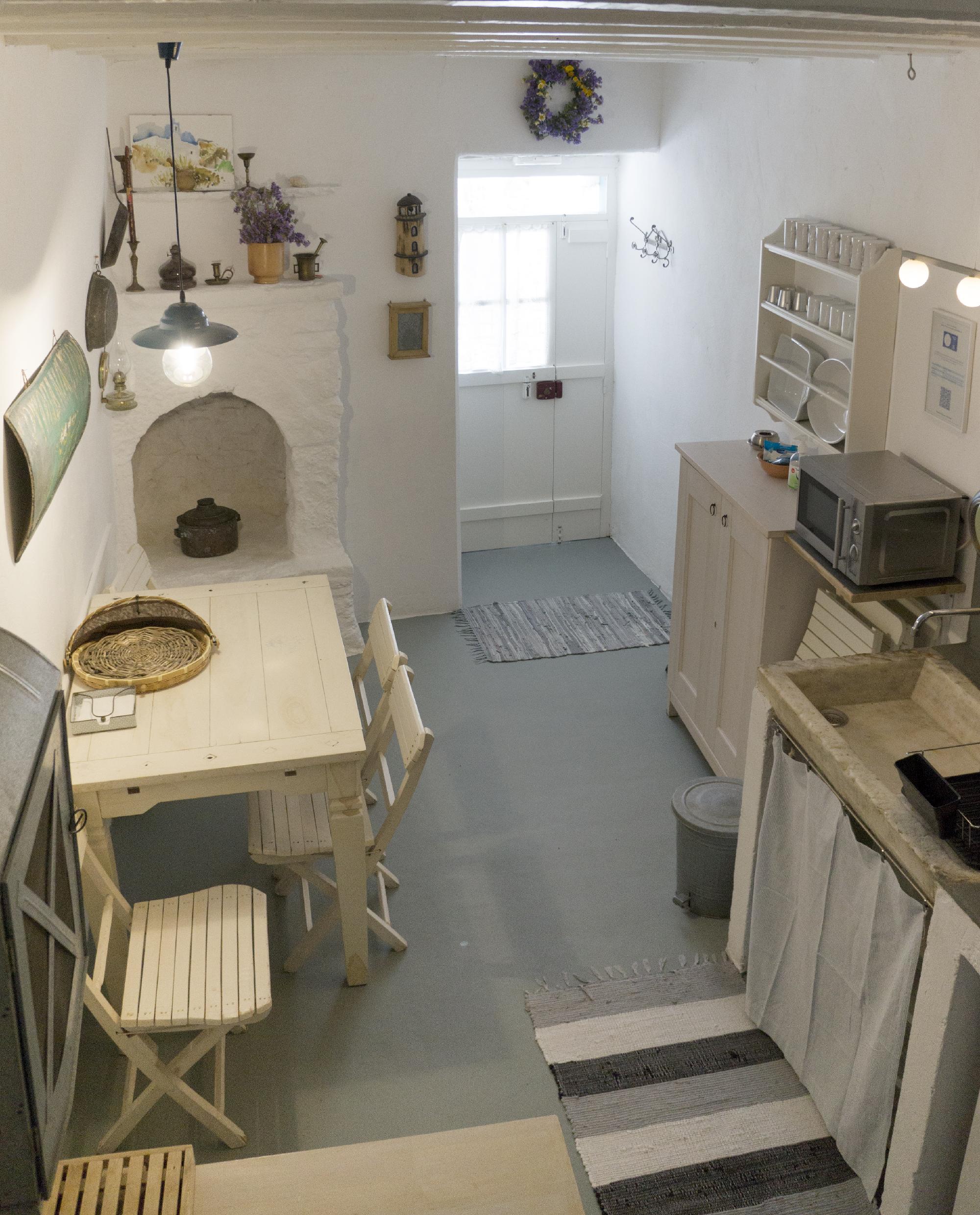
 Accommodation
 Accommodation
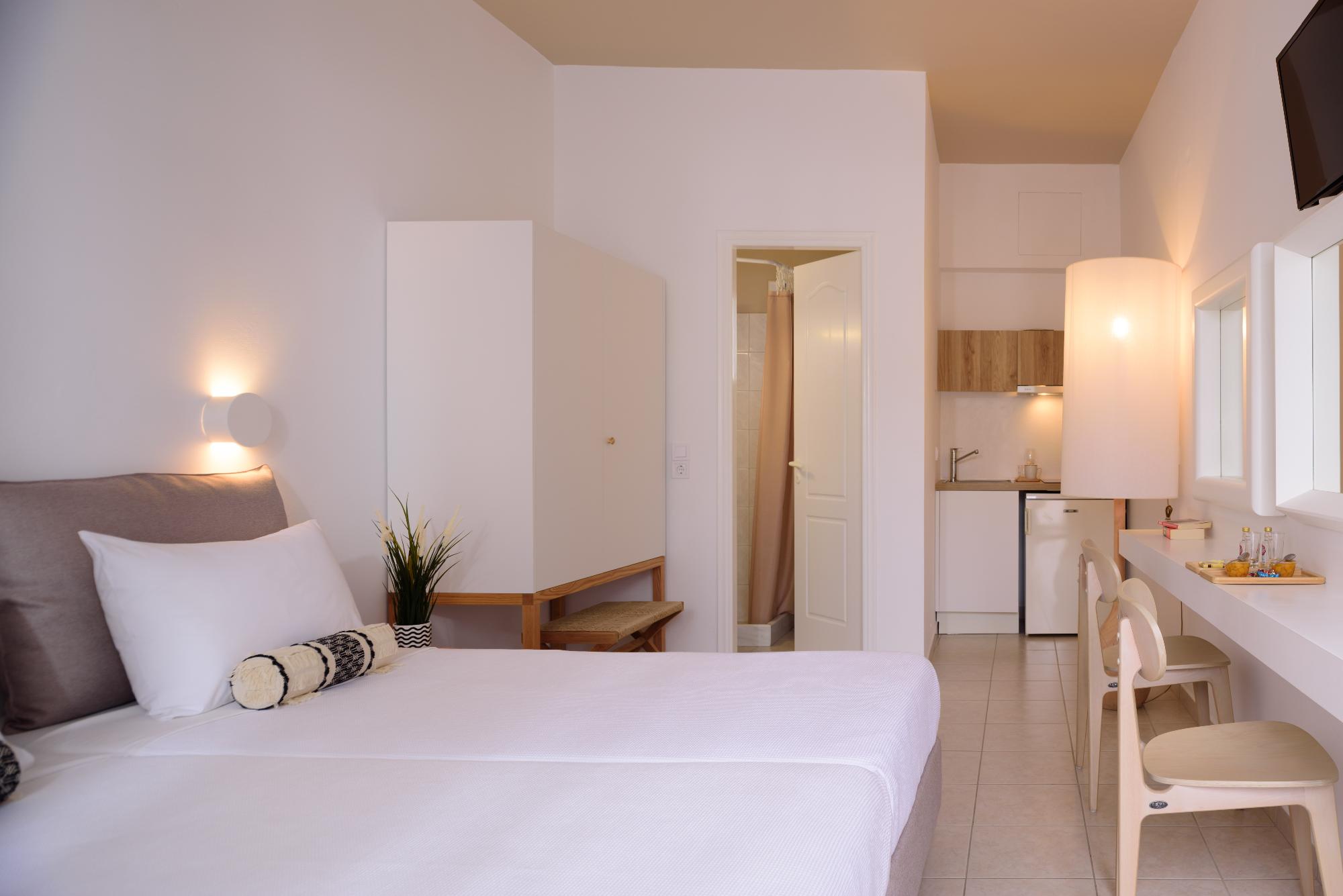 Accommodation
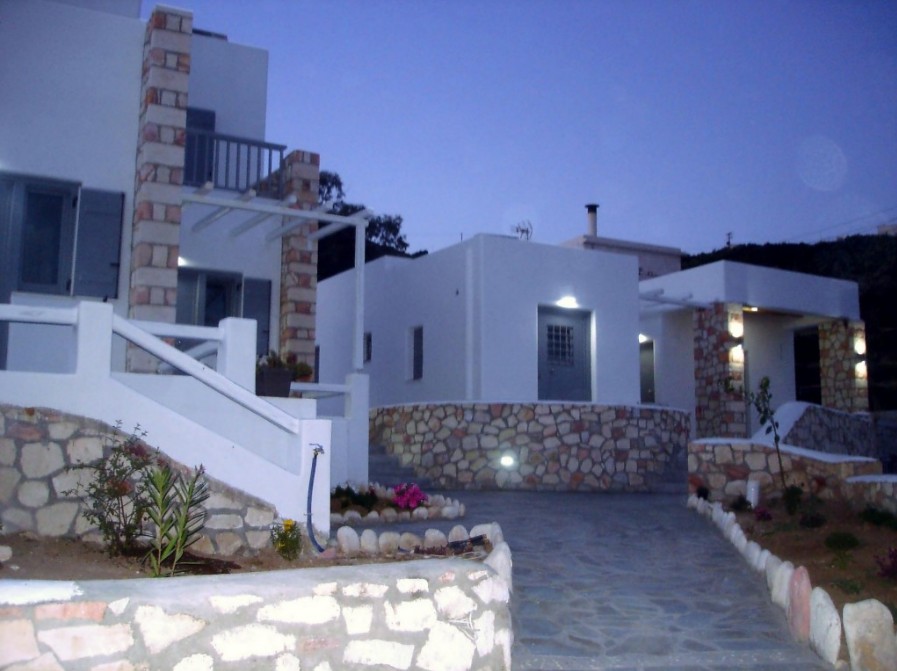 Accommodation
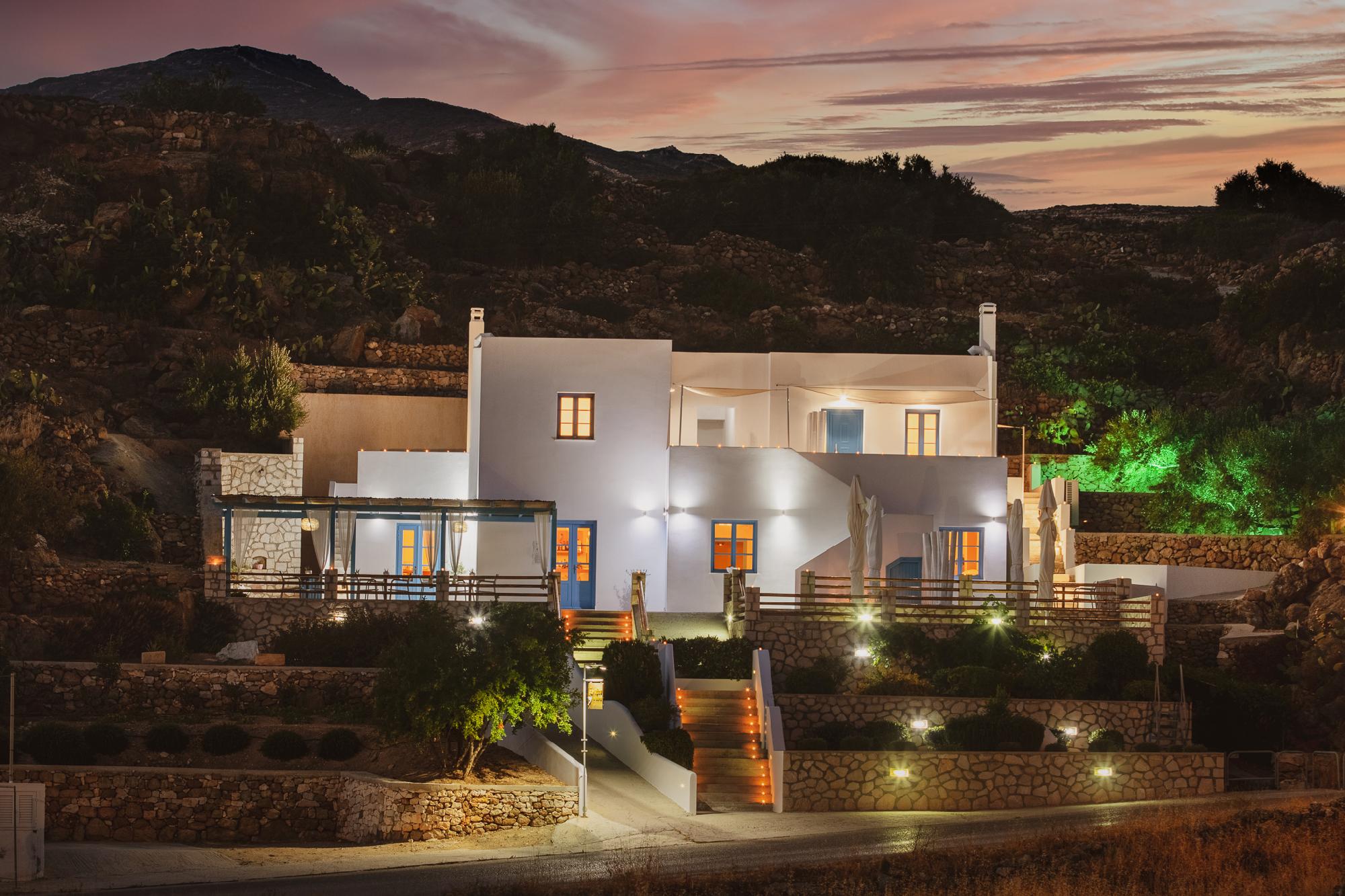 Accommodation
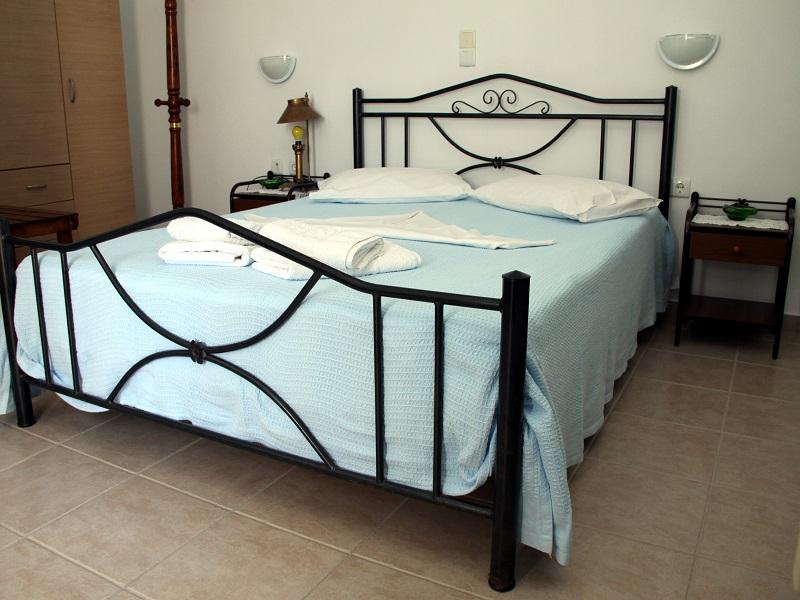 Accommodation
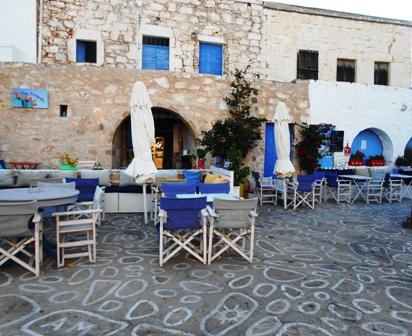 Entertainment
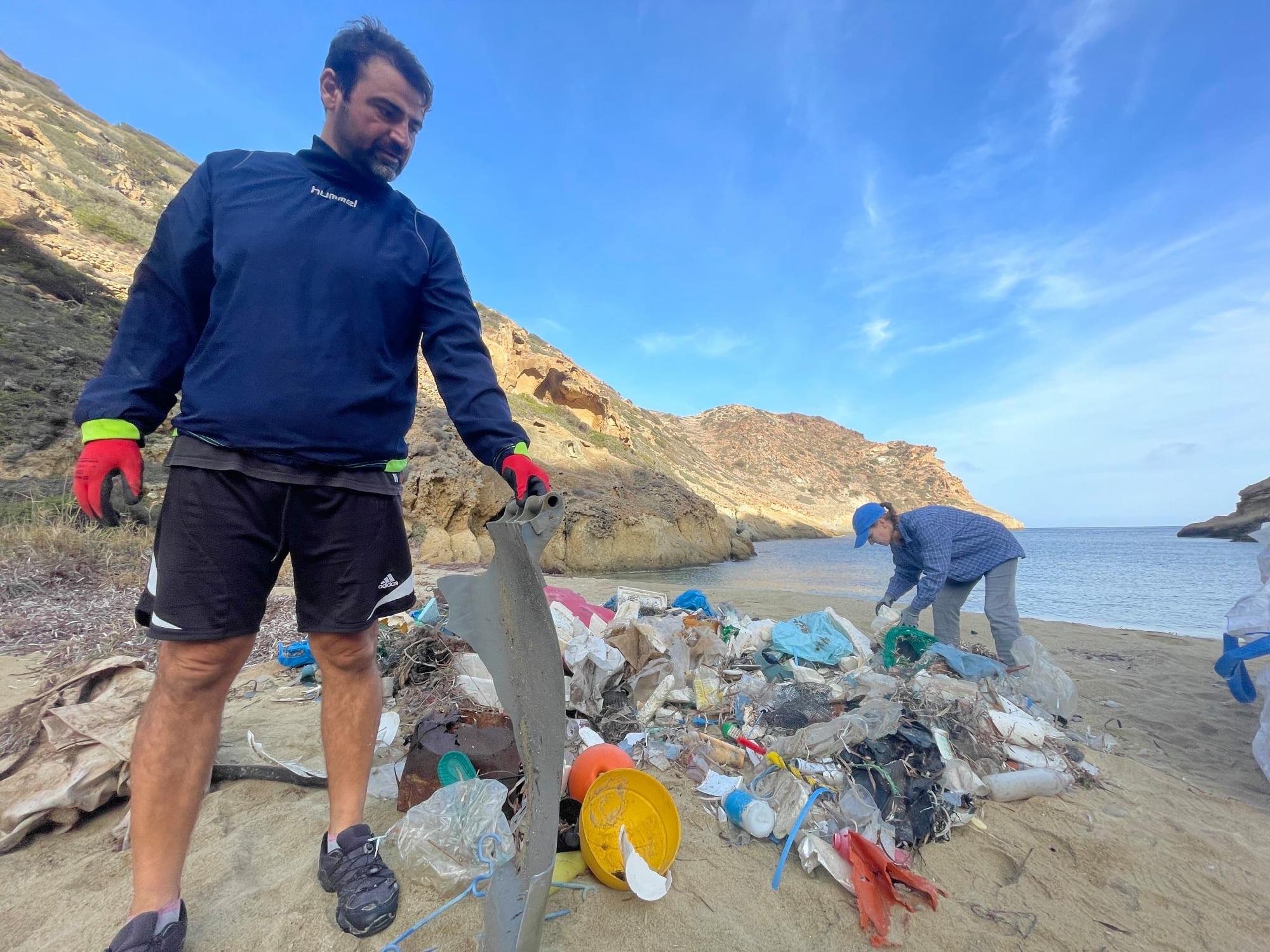 Activities
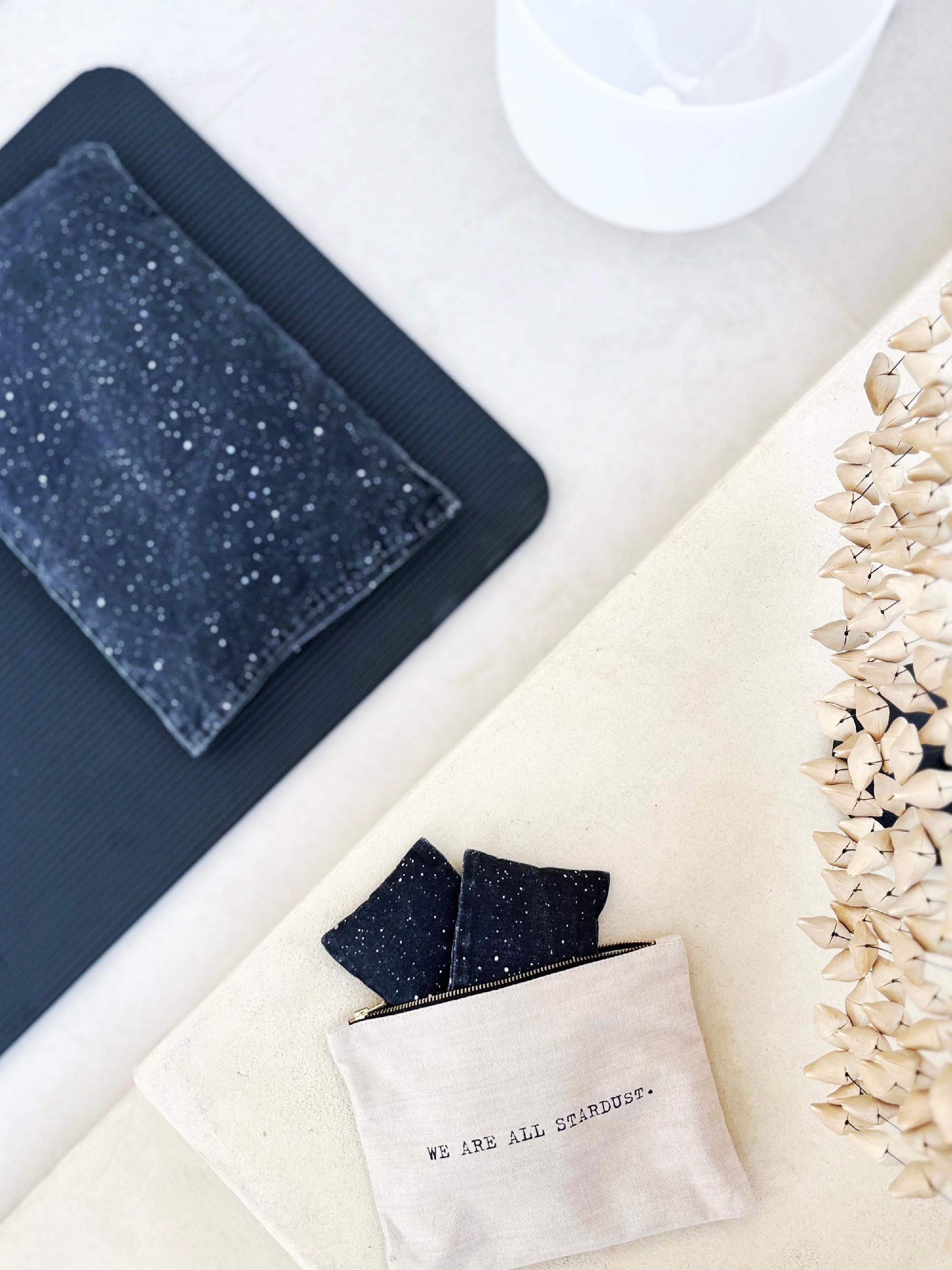 Activities
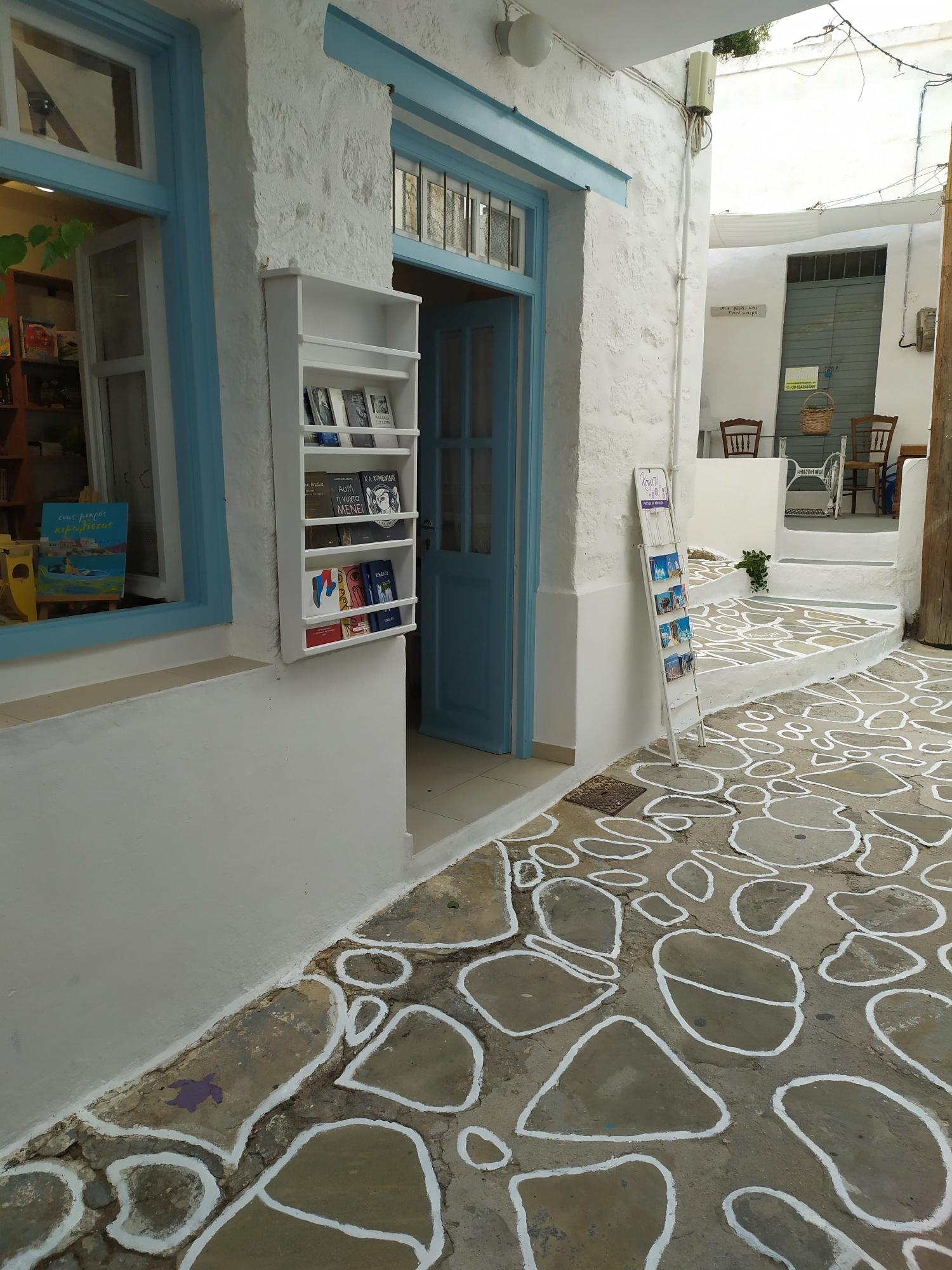 Local Products
The island's finest beach, with white sand and dazzling turquoise, shallow waters — the hot mineral springs are also nearby.
A large, sheltered beach with shallow, calm waters and tamarisk trees — ideal for families with children.
An organized beach next to the seaside settlement of the same name, with taverns and easy access.
A quiet beach with white sand and shallow clear waters, near Bonatsa and Aliki.
An isolated beach in the south, with wild scenery and crystal-clear waters, far from the crowds.
A small, quiet beach on the island's southern side, for those seeking absolute serenity.
A western beach with views towards Polyaigos and stunning sunsets, set against a dark volcanic landscape.
A beach on the isthmus next to the islet of Agios Andreas, where the sunken ruins of the ancient city can be seen.
An unspoiled beach with golden sand, on the sandy spit facing Polyaigos — accessible by trail or boat.
A picturesque fishing village with the characteristic "syrmata" — colorful boat garages carved into the rock, near Psathi.
A small, quiet cove with pebbles and clear waters, near the port of Psathi.
A remote beach on the island's western tip, with wild beauty and very few visitors.
A small, quiet sandy beach with fine sand and shallow, clear waters, in the island's southern part.
A secluded beach with golden sand and wild scenery, far from the roads and the crowds.
A sheltered cove with calm, clear waters, ideal for a quiet swim and for fishing.
A picturesque sandy beach in a sheltered bay, with a few boats and calm waters.
A small, quiet beach next to Pano Mersini, with sand, pebbles and clear waters.
A wild, isolated pebble beach with deep, crystal-clear waters, far from the crowds.
A secluded sandy beach near Ellinika, with shallow turquoise waters and absolute serenity.
A beach beneath dazzling white volcanic cliffs, with deep blue-green waters and a unique landscape.
Kimolos has no airport. The port of Psathi is connected by ferry to Piraeus (about 4–8 hours, depending on the route) and to the other islands on the line, while a small daily ferry/boat connects it with neighboring Milos — the easiest way to get there.
The island is small: a local bus connects Psathi with Chora and the main southern beaches, while for the more remote beaches, Skiadi and the dirt roads, renting a scooter or car is the most convenient option. Many wild spots and Polyaigos are reached by boat.
Combine Kimolos with the neighbouring Cyclades.
Plan your own trip to Kimolos, day by day, tailored to you — with the help of the aiTripPlanner.