








23°
Wed
21°
Thu
22°
Fri
22°
Sifnos
The island of ceramics and gastronomy
- 卡马雷斯 (Kǎmǎléisī)
- 3–5h from Piraeus
- Προφήτης Ηλίας 680m
- Gastronomy
- Villages
- Hiking
Culture
History & heritage
Sifnos has been inhabited since the Neolithic era, but it flourished greatly during the Archaic period (6th century BC), when it grew rich from its gold mines and silver mines. It was among the wealthiest islands of the Aegean, so prosperous that it dedicated to Delphi the famous Treasury of the Siphnians, one of the most magnificent buildings of the sanctuary.
Legend says the Sifnians promised Apollo a golden stone every year, but when they stopped honoring the vow, the mines flooded with seawater and the wealth was lost. The ancient city stood on the site of today's Kastro, while the fortified acropolis on the hill of Agios Andreas attests to habitation as early as Mycenaean times.
After the Roman and Byzantine periods, the island passed to the Duchy of the Aegean and later to the Da Corogna and Gozzadini families, who fortified the Kastro. During the years of Ottoman rule, Sifnos retained privileges and flourished intellectually — here operated the renowned School of the Holy Sepulchre, one of the most important educational institutions of subjugated Hellenism.
With incorporation into the Greek state, the economy was based on ceramics, agricultural production and shipping. Sifnian potters ('tsoukaladhes') traveled all over the Aegean selling their pottery. In more recent times, Nikolaos Tselementes, born in Sifnos, cemented the island's reputation as a gastronomic destination — and today tourism showcases the authentic identity of Sifnos internationally.
Explore
Sights & Trails
Monasteries, castles, ancient towns and hiking routes.
Kastro
The medieval fortified settlement on the site of the ancient city of Sifnos — a labyrinth of two-story houses forming a defensive wall, with arches over the alleys, ancient marble finds built into the walls, and Venetian coats of arms. It was the island's capital from antiquity to modern times.
Monastery of Chrysopigi
The iconic monastery (1650) on a small islet in the southeast, dedicated to Panagia Chrysopigi, patroness of Sifnos. It is connected to the shore by a small bridge and holds a grand festival on the day of the Ascension.
Panagia Poulati
A blue-and-white monastery in a prominent spot above the sea, near Kastro — one of the most photographed churches on the island.
Profitis Ilias o Psilos
The Byzantine monastery atop the highest mountain of Sifnos (680m), with panoramic views over the whole of the western Cyclades — the endpoint of a popular hike.
Acropolis of Agios Andreas
A fortified acropolis of Mycenaean and Geometric times on a hill above Apollonia, with a double wall, house foundations and a small archaeological museum open to visitors.
Archaeological Museum of Sifnos
Housed in Kastro, it holds sculptures, inscriptions, vessels and finds from ancient and Byzantine Sifnos.
Folklore Museum of Apollonia
On the main square of Apollonia, with traditional costumes, embroidery, tools, ceramics and everyday objects from the island's life.
Monastery of Vrysi
A fortified 17th-century monastery near Exambela, today housing an ecclesiastical and folklore museum with rare heirlooms.
Agios Symeon
A church on a high hill between Katavati and Faros, with an impressive view of the sea, and one of the island's popular pilgrimage sites.
Panagia Kochi
A historic church in the area of Apollonia, built on an ancient temple, with important wall paintings.
White Tower
Ruins of an ancient cylindrical watchtower; Sifnos preserves dozens of ancient towers, a network for communication and guarding the mines.
Ceramics Workshops
In Kamares, Cherronisos and other spots, potters continue the age-old tradition of Sifnian ceramics, especially clay cooking vessels.
Panagia Angeloktisti (Katavati)
A Byzantine church at Katavati, near Apollonia, with older architectural elements and marble members from an ancient temple built into its walls.
Chrysostomos Monastery (Kato Petali)
A 17th-century convent at Kato Petali, with a white enclosure, an old olive press and a notable carved wooden iconostasis.
Panagia tou Vounou
A monastery on a hill above Platys Gialos, with a panoramic view of the south coast; it celebrates one of the island's liveliest festivals.
Taxiarchis Mersinis Monastery
A fortified monastery of the Archangel in northern Sifnos, near Mersini, with sea views and an air of seclusion.
Ancient Mines
The ancient gold and silver mines on the northeast coast that gave Sifnos its legendary wealth; galleries and traces of extraction survive.
Local flavour
ON THE ROUTE FROM THE PORT TO THE INLAND, the slopes with countless terraces and dry stone walls offer the best introduction to life on Sifnos. Although the island has experienced significant tourism development in recent decades, it largely retains its distinctive characteristics and gastronomic tradition. Even the dishes that remain the hallmark of Nikolaos Tselementes' homeland, except for the Easter lamb in mastelo which is now cooked year-round, embody the history of its agricultural society. Revithada, the Sunday dish slow-cooked in wood-fired ovens, revithokeftedes, caper salad, fava, lobia with skordalia, amygdalota, and melopita continue fresh, as if they were made today, the customs of old Sifnians.
Find what you need
Accommodation, restaurants, activities and local products of the island.
Locations come live from the official Cyclades business directory.
 住宿
住宿
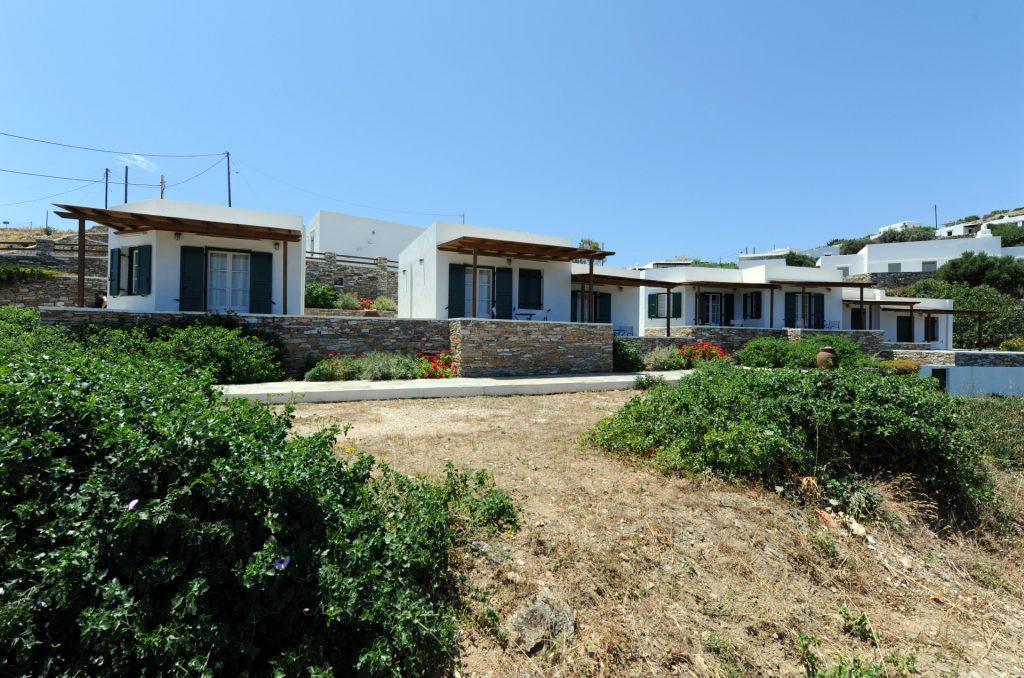
SPITHAS ROOMS
Sifnos
Spitha Rooms Καλωσορίσατε στη Σίφνο. Ζήστε τις ωραιότερες διακοπές σας στο κυκλαδίτικο νησί και ανακαλύψτε τις μοναδικές ομορφιές του! Περιηγηθείτε……
 住宿
住宿
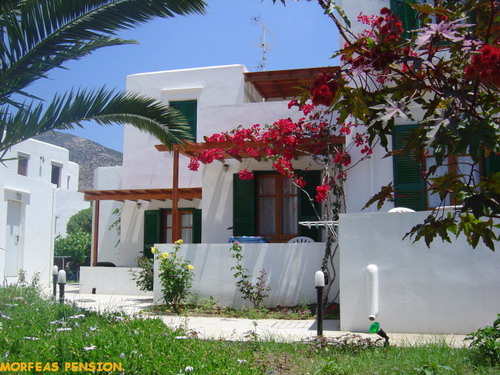
ΜΟΡΦΕΑΣ PENSION
Sifnos
Επιλέξαμε να δώσουμε το όνομα του θεού του ύπνου Μορφέα στο συγκρότημα μας γιατί στόχος μας είναι η διαμονή σας……
 住宿
住宿
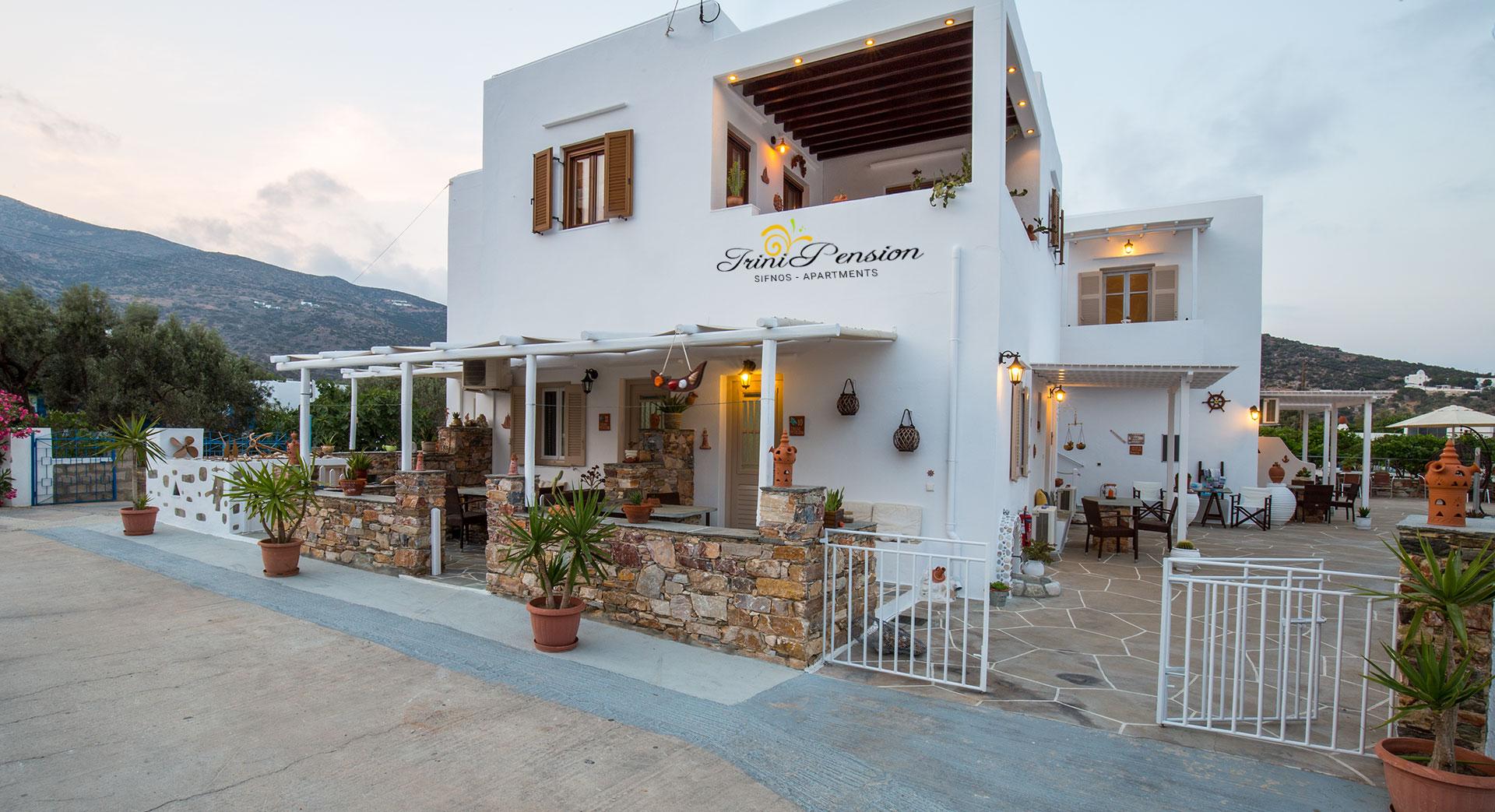
IRINI PENSION
Sifnos
Καλωσορίσατε στη Σίφνο, το νησί των Κυκλάδων με τους κατάλευκους οικισμούς και τις αστείρευτες φυσικές ομορφιές! Γνωρίστε το πανέμορφο νησί……
 住宿
住宿
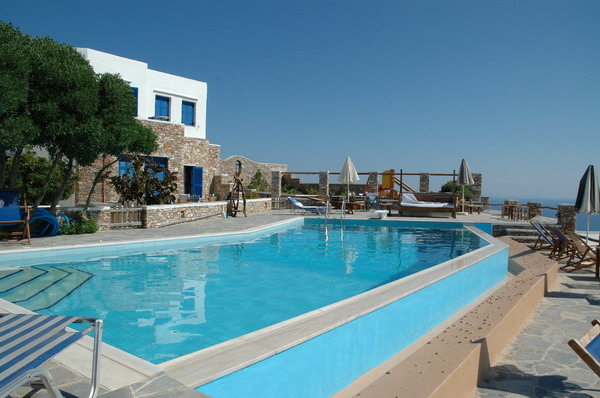
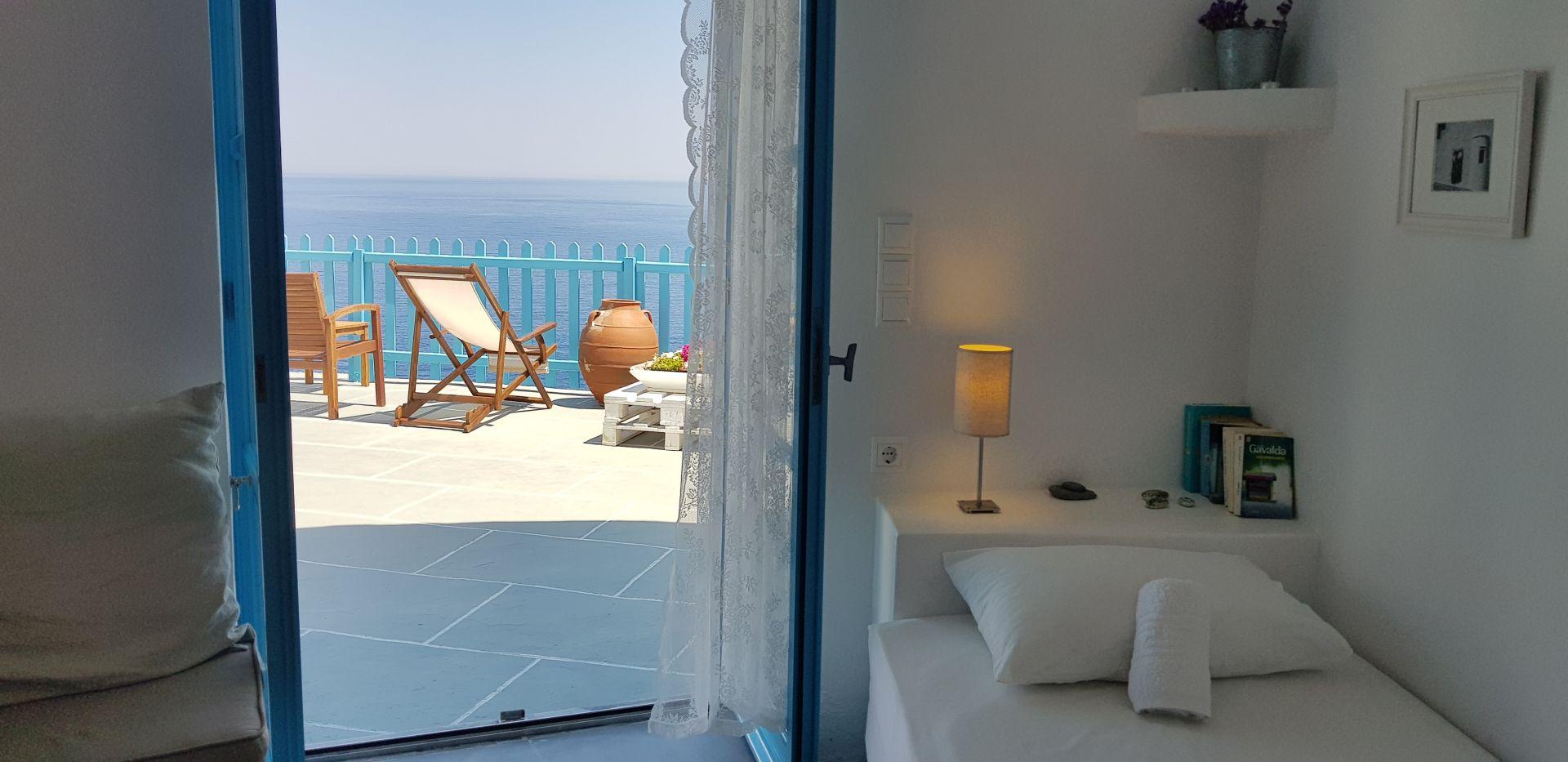
WINDMILL BELLA VISTA
Sifnos
Το Windmill Bella Vista βρίσκεται πάνω σε ένα λόφο κοντά στο χωριό του Αρτεμώνα με μια εξαιρετική θέα του πανέμορφου……
 住宿
住宿
ΜΑΤΙ ΑΙΓΑΙΟΥ AEGEAN EYE
Sifnos
Καλωσήρθατε στα δωμάτια Aegean Eye Elite και Aegean Eye Premium στο γραφικό Κάστρο Σίφνου! Τα δωμάτια Aegean Eye βρίσκονται στα ανατολικά της Σίφνου, σκαρφαλωμένα……
 住宿
住宿
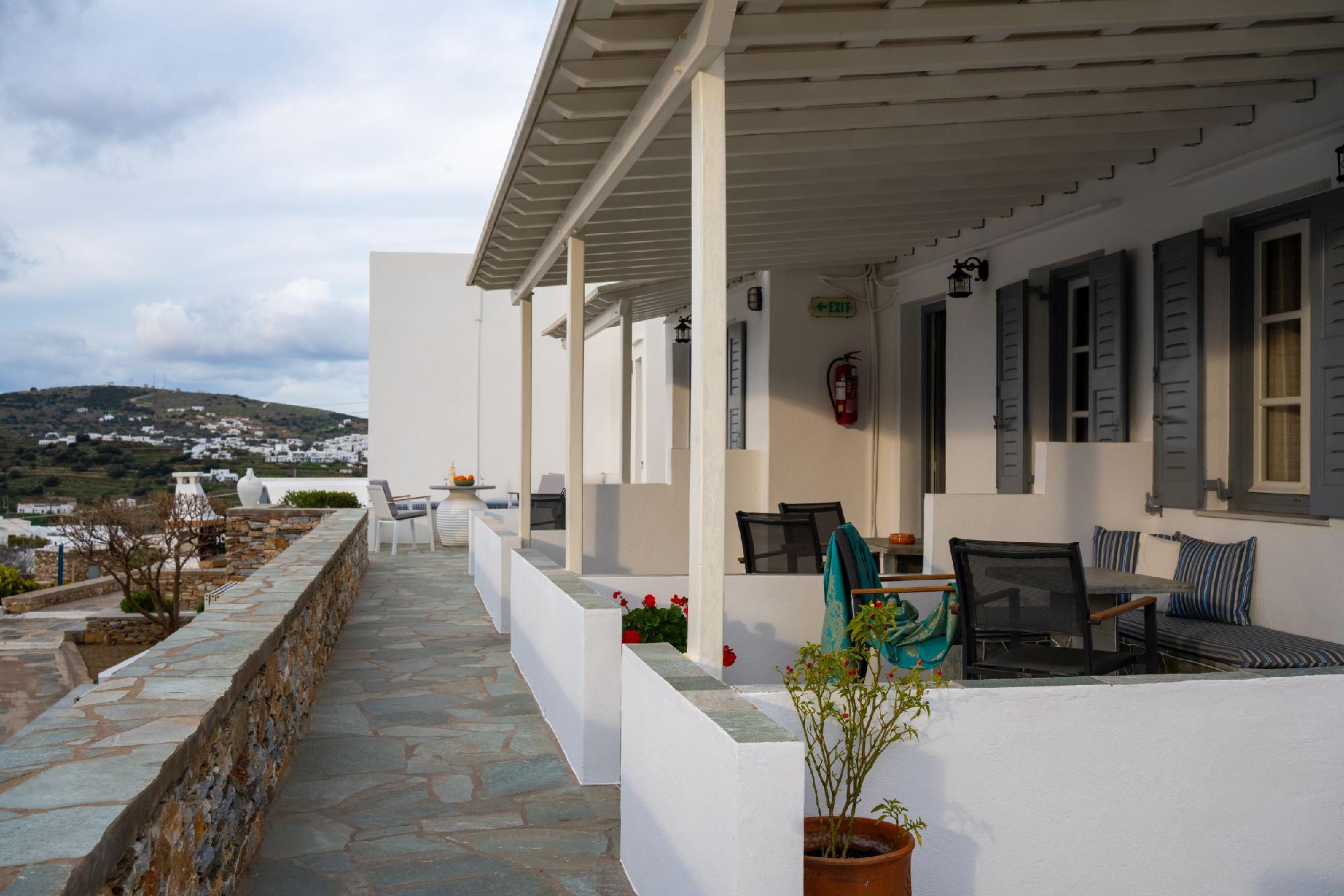
GIANNAKAS STUDIOS
Sifnos
Τα Giannakas Studios είναι χτισμένα μέσα σε ένα ελαιώνα, σε απόσταση 70 μέτρων από το κύμα της θάλασσας του Πλατύ……
 住宿
住宿
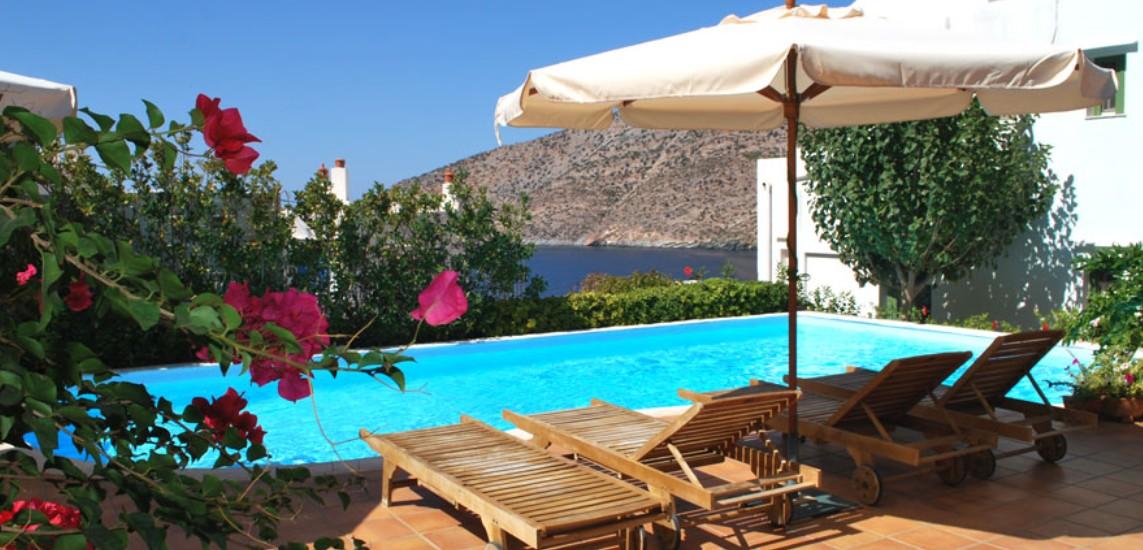
MARGARITA ROOMS & STUDIOS
Sifnos
Καλώς ήρθατε στα ενοικιαζόμενα δωμάτια Margarita Sifnos Rooms & Studios! Στο γραφικό χωριό της Καταβατής, μόλις λίγα λεπτά με τα πόδια……
 住宿
住宿
ΜΑΡΓΑΝΤΩ
Sifnos
Καταλύματα Μαργαντώ Τα καταλύματα Μαργαντώ είναι ένα θαυμάσιο συγκρότημα στις Καμάρες, το γραφικό λιμάνι της Σίφνου. Με μαγευτική……
 娱乐
娱乐
LOST BAY BEACH BAR SIFNOS
Sifnos
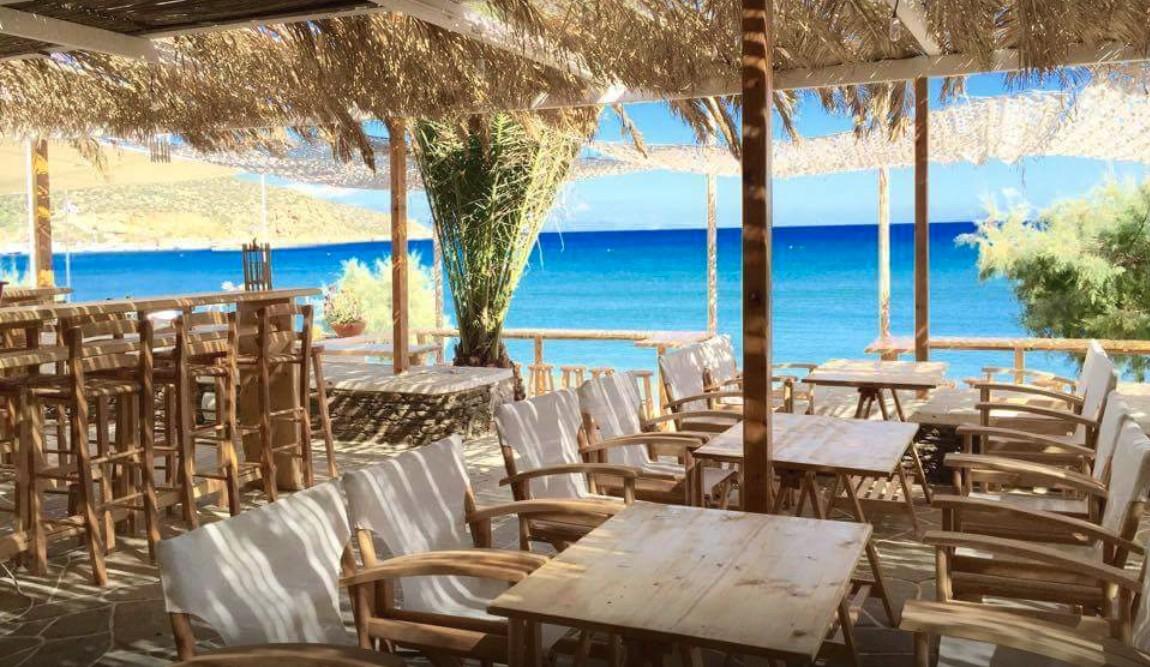
ΚΑΛΩΣ ΗΛΘΑΤΕ ΣΤΟ LOST BAY ΜΠΑΡ - ΣΙΦΝΟΣ Το Lost Bay βρίσκεται στην παραλία του Πλατύ Γιαλού, στη Σίφνο, και……
 娱乐
娱乐
NOTOS ALL DAY CAFE
Sifnos
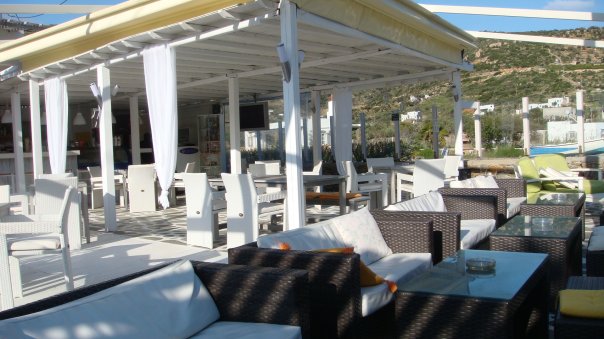
Στην παραλία του Πλατύ Γιαλού, από τις πιο πολυσύχναστες του νησιού, το Νότος είναι από εκείνα τα beach bars που……
 娱乐
娱乐
BOLA
Sifnos
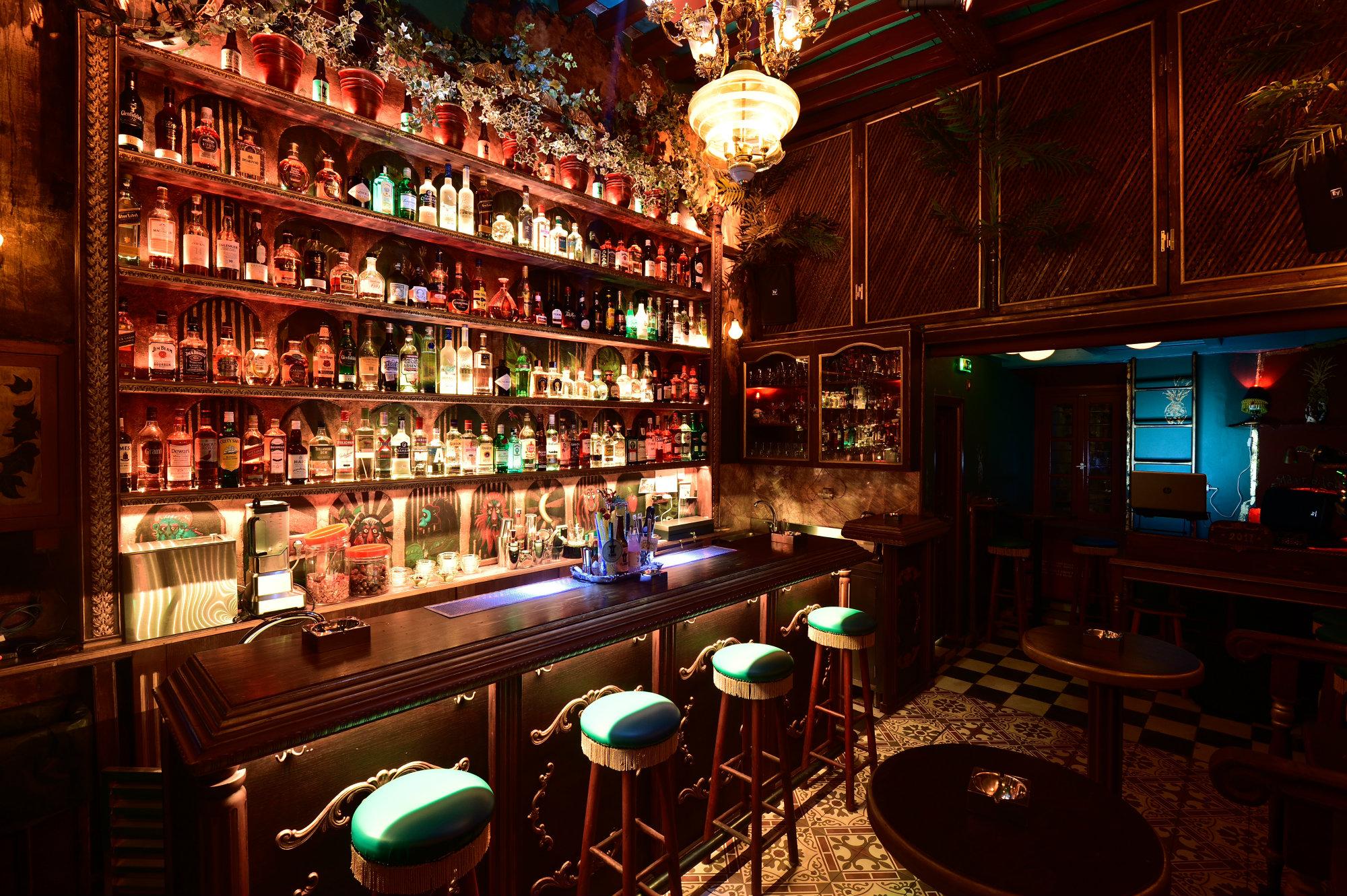
Η επιλογή του καλοκαιριού! Απολαύστε το καλοκαίρι σας στο Bola όλη τη μέρα! Ξεκινήστε την μέρα σας με απολαυστικό καφέ……
 娱乐
娱乐
ΜΑΝΤΑΛΟΥ
Sifnos
Στο πολυσύχναστο, ονομαστό «Στενό» της Απολλωνίας Σίφνου, κάτι πρωτοποριακό άνοιξε τις πύλες του αυτές τις ημέρες. Το όνομα «Μανταλού» ένα……
 娱乐
娱乐
PIPIS CAFE
Sifnos
 娱乐
娱乐
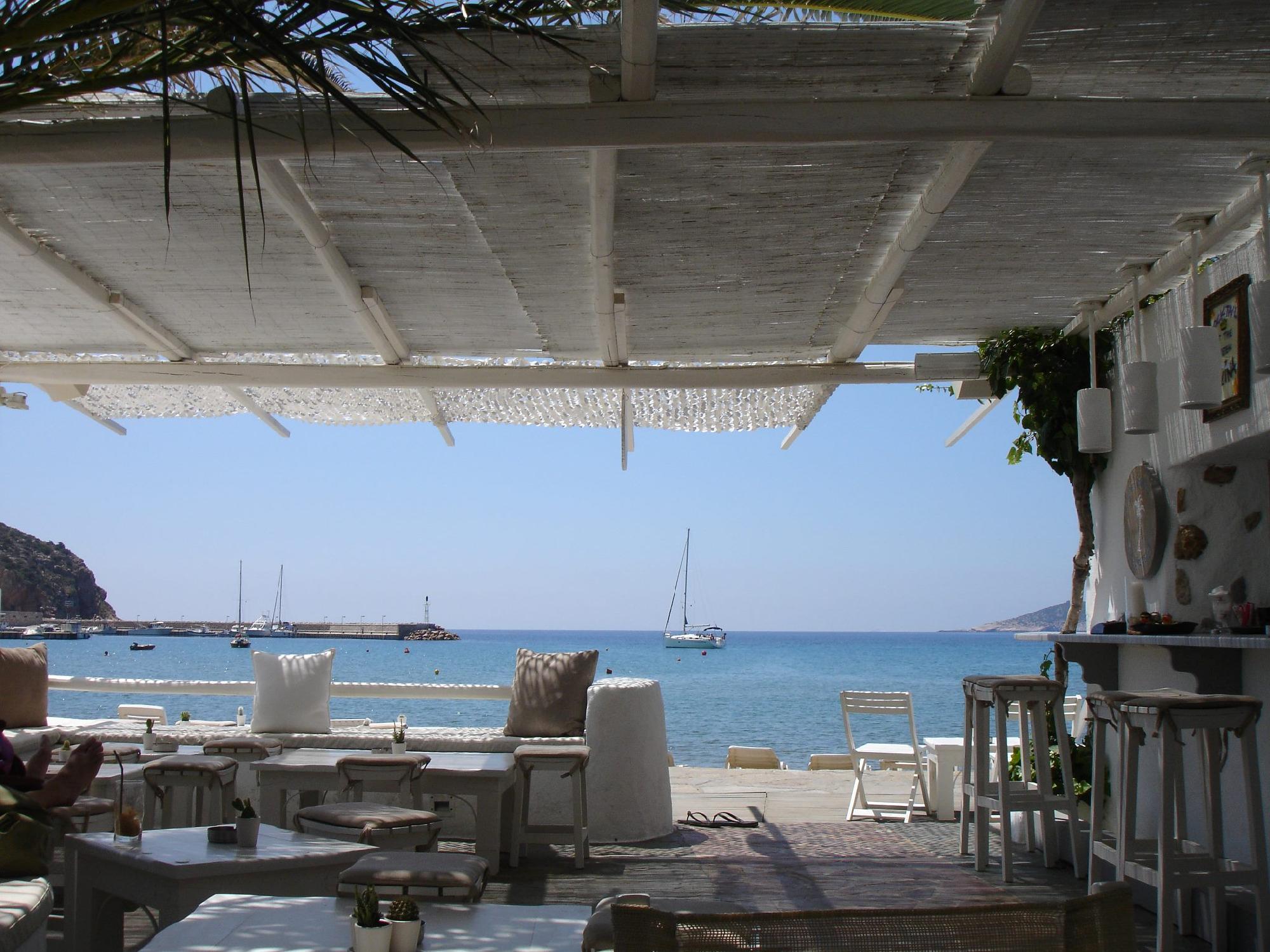
PALMIRA
Sifnos
 娱乐
娱乐
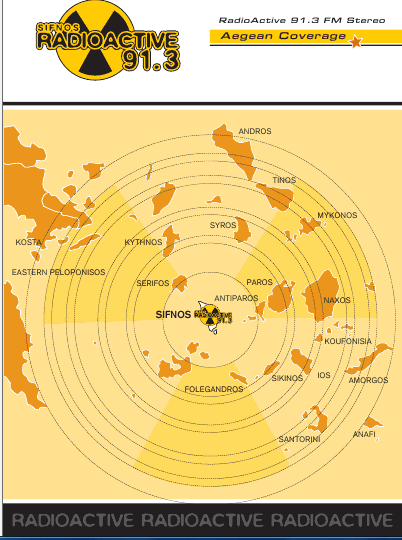
RADIOACTIVE 91.3 SIFNOS
Sifnos
 娱乐
娱乐
ΑΡΟΔΟΥ
Sifnos
 活动
活动
SIFNOS BIKE EXPERIENCE
Sifnos
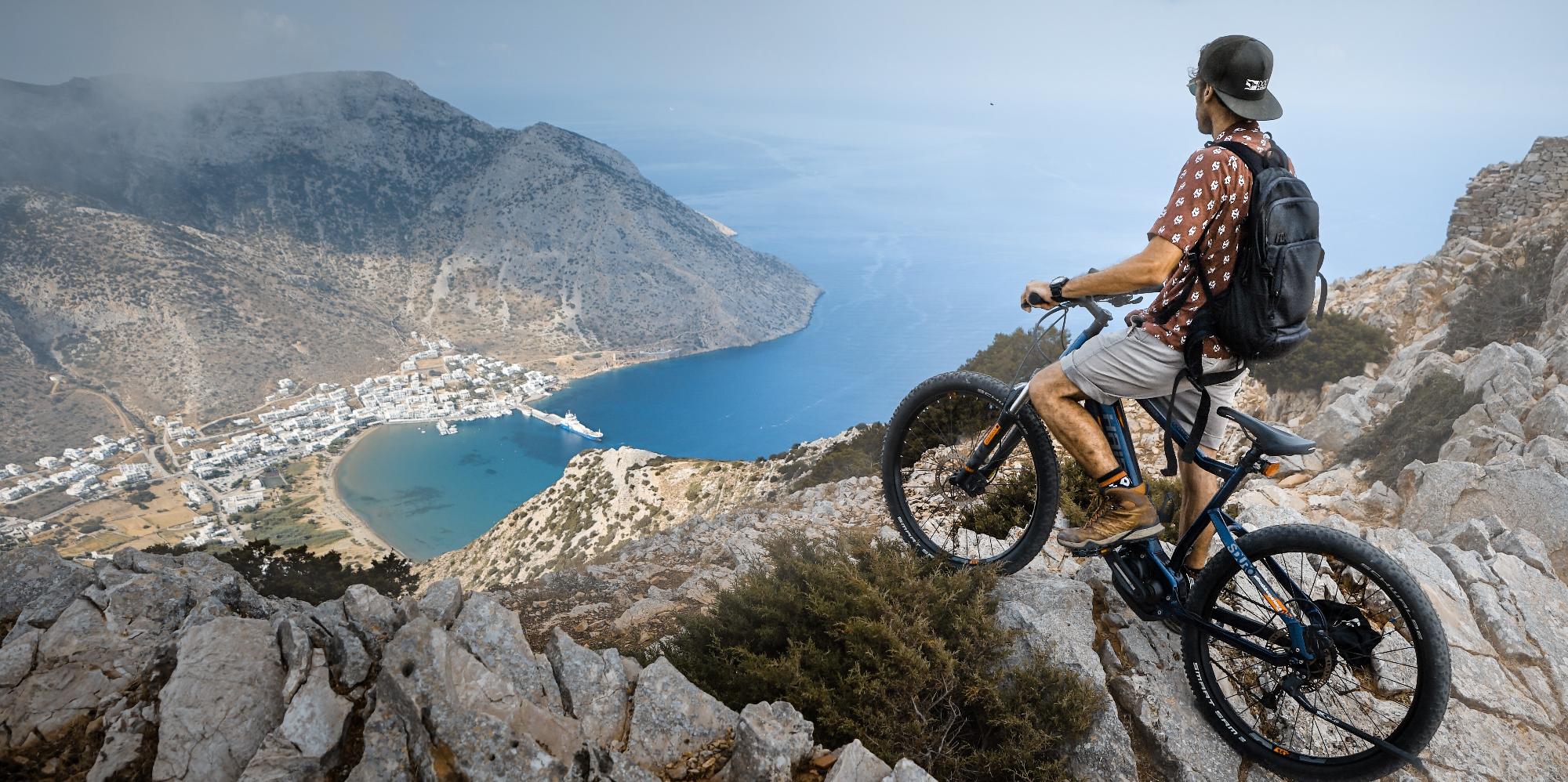
Η ιδέα πίσω από τη δημιουργία της Sifnos Bike Experience είναι να προσφέρει έναν εναλλακτικό, οικολογικό και διασκεδαστικό τρόπο να……
 活动
活动
A LA MER
Sifnos
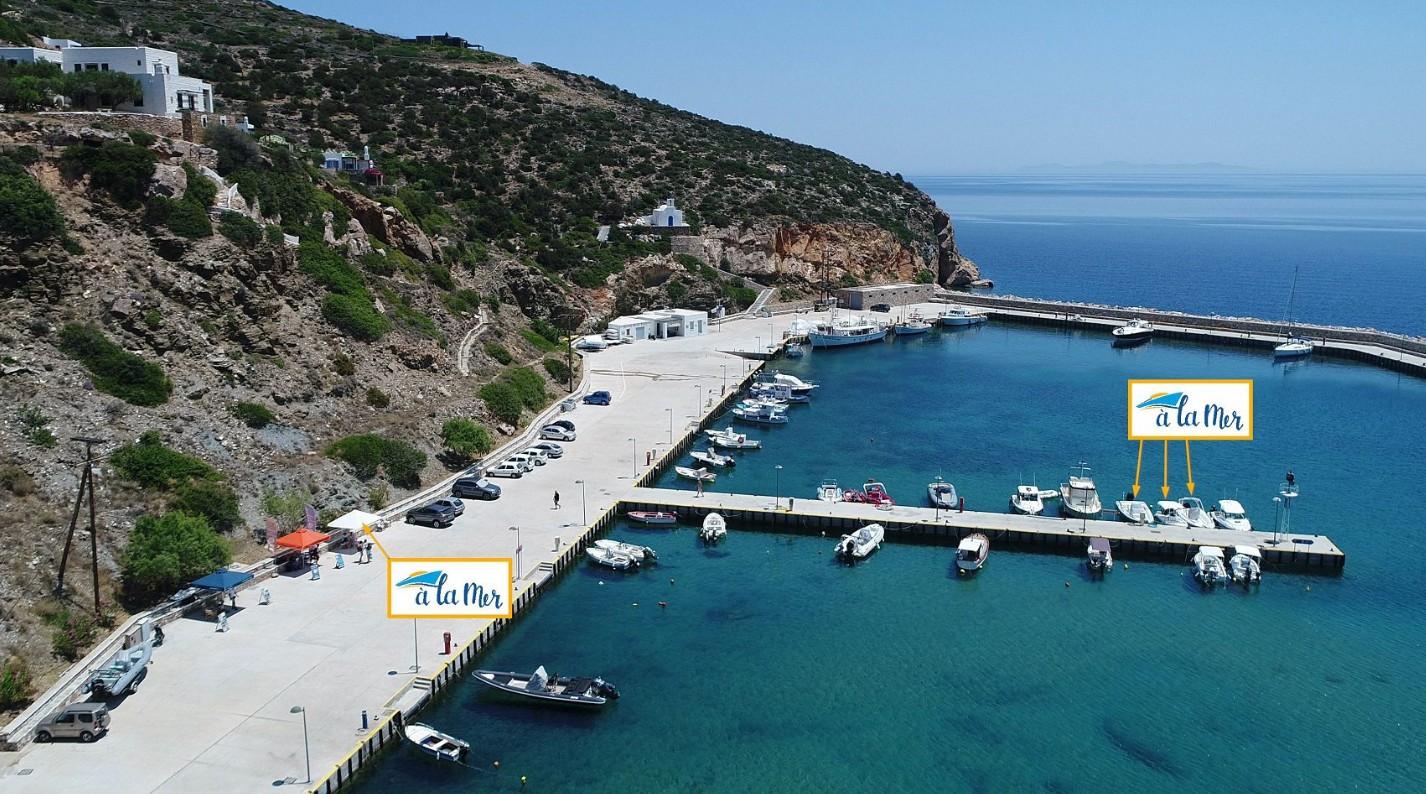
Όταν οι πατεράδες μας στα χρόνια του ’60 έφτιαχναν το πρώτο τους χειροποίητο ταχύπλοο, μας βάφτισαν με το θαλασσινό νερό……
 活动
活动
SIFNOS DIVING CENTER
Sifnos
Μετά την σημαντική εμπειρία στην αιγυπτιακή Ερυθρά Θάλασσα, είναι μια μεγάλη τιμή γιατί ανοίξαμε το πρώτο καταδυτικό κέντρο στη Σίφνο……
 当地产品
当地产品
ΚΕΡΑΜΙΚΑ ΛΕΜΠΕΣΗ
Sifnos
Η Σίφνος είναι το νησί της ποίησης, των γραμμάτων της τέχνης της χαράς και της αγγειοπλαστικής. Στη Σίφνο αρχίσανε να……
 当地产品
当地产品
SIFNOS STONEWARE
Sifnos
Sifnos Stoneware - Το Έμβλημά μας Το έμβλημα του Sifnos Stoneware πού απεικονίζει έναν αετό να κρατά στο ράμφος του ένα……
 当地产品
当地产品
ΑΡΤΟΠΟΙΕΙΑ ΣΙΦΝΟΥ
Sifnos
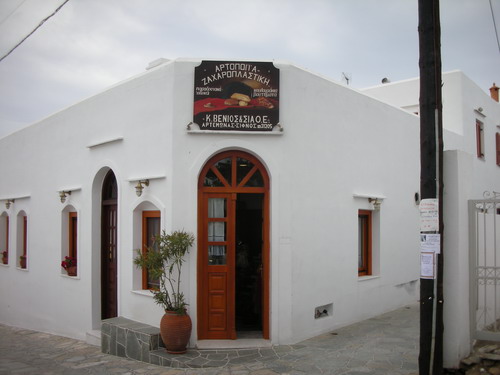
Συνεχίζοντας την παράδοση του παππού του, που ξεκίνησε το 1929 να παρασκευάζει ψωμί, παξιμάδια και κουλούρια, ο Κωστής Βενιός συνεχίζει……
 当地产品
当地产品
ΖΑΧΑΡΟΠΛΑΣΤΕΙΟ ΓΕΡΟΝΤΟΠΟΥΛΟΣ
Sifnos
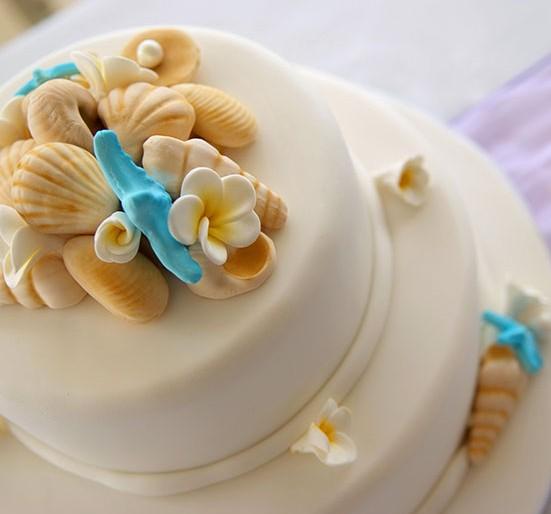
Ήταν λίγο πριν το 1950, όταν ο Γιάννης Γεροντόπουλος, μικρό παιδί ακόμα, έφυγε από το νησί του, την όμορφη Σίφνο,……
 当地产品
当地产品
ΑΧΝΗ PATISSERIE
Sifnos
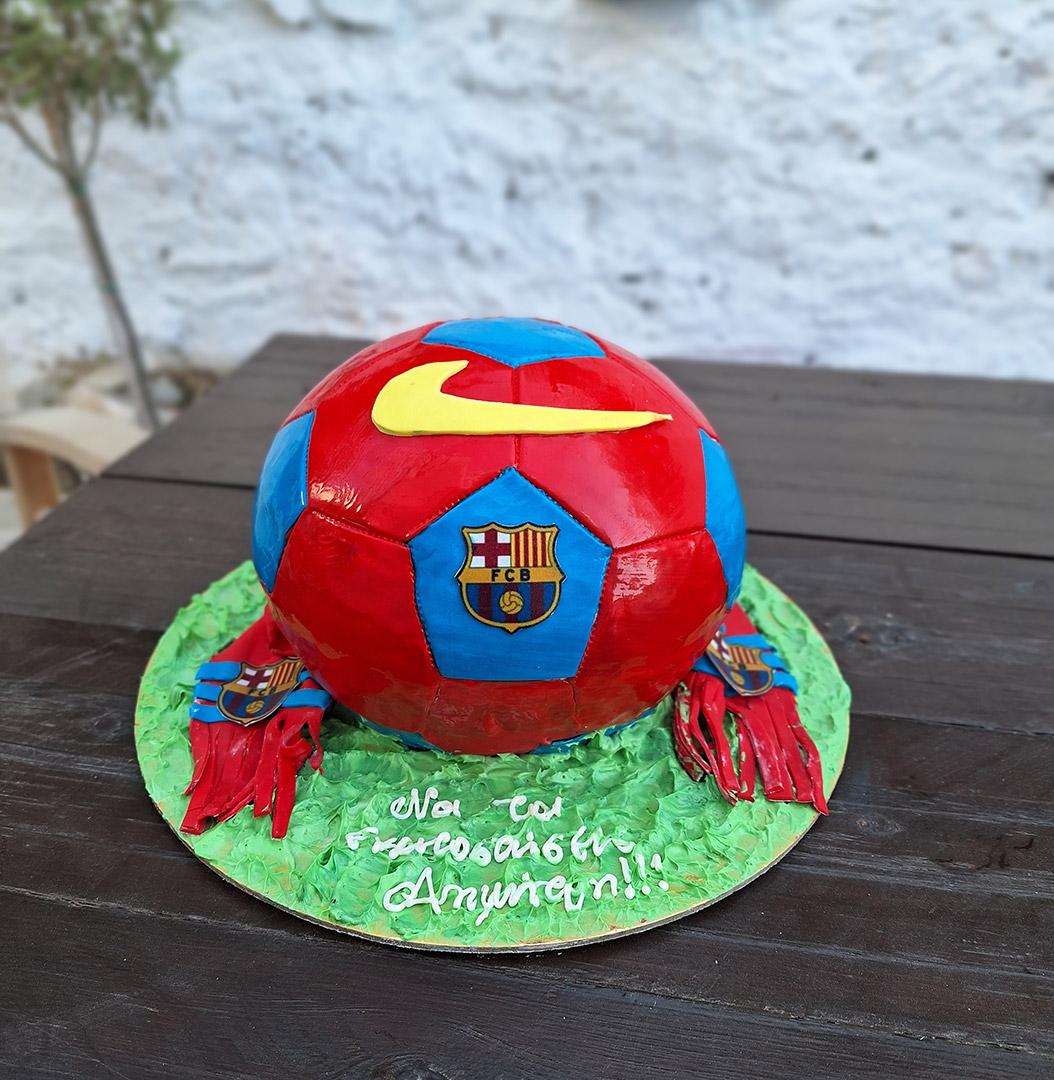
ΠΑΝΤΑ ΔΙΠΛΑ ΣΑΣ ΓΙΑ ΝΑ ΠΡΑΓΜΑΤΟΠΟΙΗΣΟΥΜΕ ΤΙΣ ΙΔΕΕΣ ΣΑ. Στο ζαχαροπλαστείο μας, η παραπάνω φράση δεν είναι απλώς μια υπόσχεση……
 当地产品
当地产品
ΕΝ ΣΙΦΝΩ
Sifnos
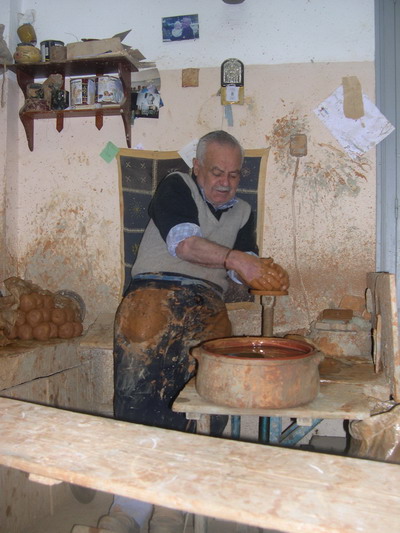
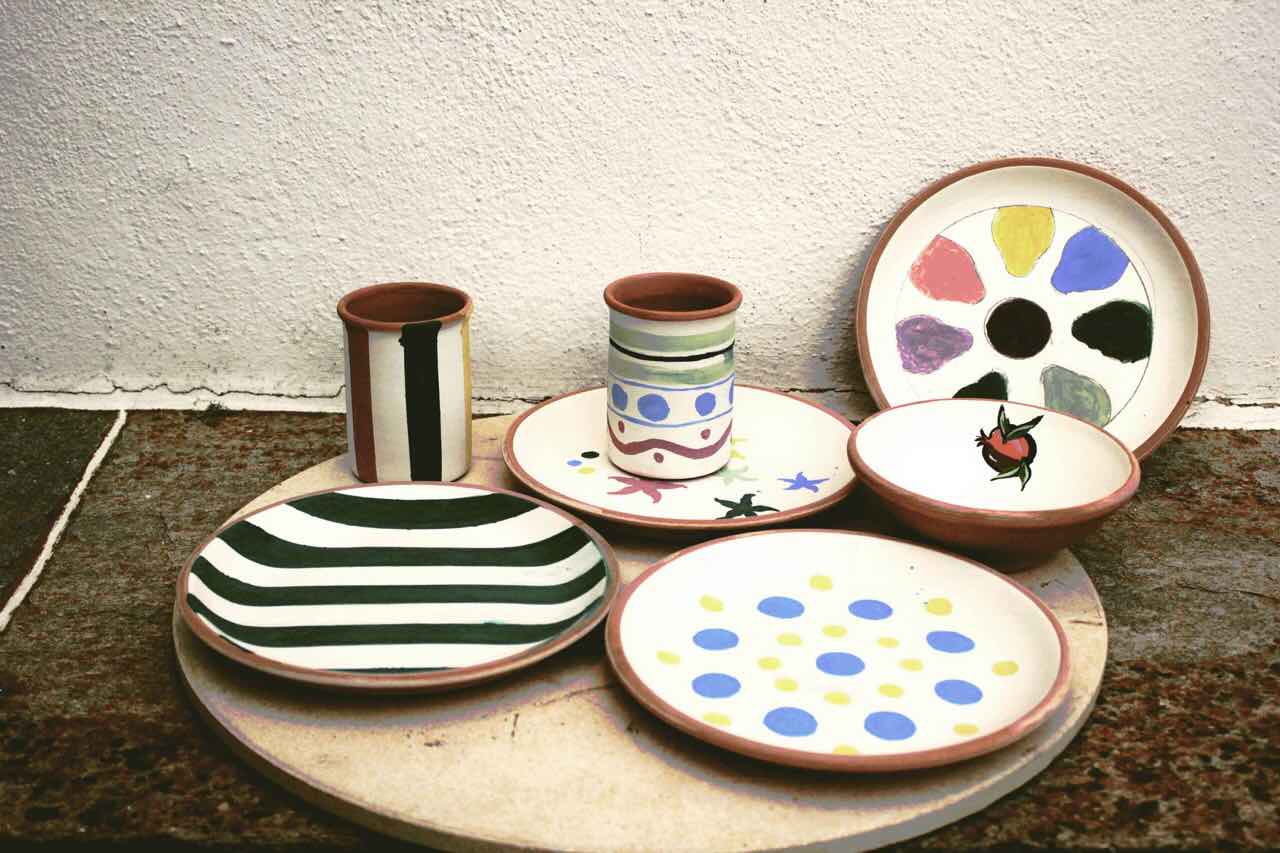
Η πανάρχαια τέχνη του τροχού που για εκατοντάδες χρόνια έκανε τη Σίφνο τροφοδότη της Ελλάδας και της Μεσόγειου σε οικιακά……
 当地产品
当地产品
ΠΗΛΟΤΕΧΝΕΙΟ
Sifnos
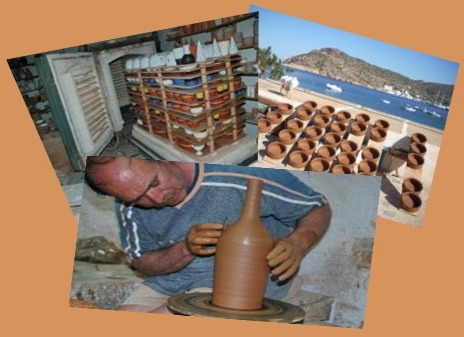
Χρώματα, πινέλα και κέφι! Στη Σίφνο, ένα νησί με μακρά παράδοση στην τέχνη του πηλού, έχετε τώρα την ευκαιρία να……
 当地产品
当地产品
ΚΕΡΑΜΙΚΑ ΑΤΣΟΝΙΟΣ
Sifnos
Τα Κεραμικά "Αντώνη Ι. Ατσόνιου" συνεχίζουν την παράδοση από το 1870 στο γραφικό λιμάνι του Βαθιού στη Σίφνο όπου βρίσκεται……
-
Kamares
The large sandy beach at the island's port, with shallow waters, taverns and every amenity — the first image of Sifnos as the ferry arrives.
-
Platys Gialos
One of the largest beaches in the Cyclades, on the south of the island — a wide sandy shore with shallow waters, facilities and life.
-
Vathy
A sheltered, enclosed cove with fine sand and shallow, calm waters, around the small chapel of Taxiarchis — ideal for families.
-
Chrysopigi
A golden beach beneath the iconic monastery of Chrysopigi, with crystal-clear waters breaking on the small islet.
-
Apokofto
A small, quiet sandy beach next to Chrysopigi, with shallow waters and a view of the monastery.
-
Faros
Three small, sheltered coves with sand and pebbles in a picturesque old fishing village, from where the path to Chrysopigi begins.
-
Fasolou
A quiet sandy beach near Faros, reachable by a short walk — secluded and relaxing.
-
Vroulidia
A remote beach with white pebbles and deep turquoise waters at the southern tip, reachable by path.
-
Seralia
The small, picturesque harbor below the Kastro, with pebbles and fishing boats at the foot of the medieval settlement.
-
Poulati
A small pebbly cove below the blue-and-white church of Panagia Poulati, with clear waters and a peaceful atmosphere.
-
Cherronisos
An isolated fishing village at the island's northern tip, with a calm cove, fish taverns by the water and ceramics workshops.
-
Glyfo
A quiet sandy beach in the south, between Platys Gialos and Chrysopigi, with shallow waters and a few taverns.
Access & transport
How to get there
Sifnos has no airport. The port at Kamares is connected by ferry to Piraeus (2.5–5 hours, depending on the vessel) and to the other islands of the western Cyclades — Serifos, Kythnos, Milos, Kimolos — as well as to Paros for connections.
Getting around the island
A local KTEL bus regularly connects Kamares with Apollonia and from there with the villages and beaches (Kastro, Platys Gialos, Vathy, Faros, Cherronisos). For more flexibility, car and scooter rentals are available, while the dense network of marked paths makes hiking an ideal way to explore.
Ferry tickets
Useful phone numbers
Nearby islands
Combine Sifnos with the neighbouring Cyclades.
Cyclades aiTripPlanner
Ready for Sifnos?
Plan your own trip to Sifnos, day by day, tailored to you — with the help of the aiTripPlanner.