








19°
Mon
21°
Tue
21°
Wed
20°
Mykonos
Airy, cosmopolitan and timeless
- 霍拉 (新港) / 图尔洛斯
- 2.5–5h from Piraeus
- 普罗菲蒂斯·伊利亚斯 364米
- Nightlife
- Beaches
- Cosmopolitan
Culture
History & heritage
According to mythology, the bare rocks of Mykonos are the petrified bodies of the Giants slain here by Heracles, while the island took its name from the mythical Myconos, a descendant of Apollo. Its position, next to sacred Delos, the most important religious center of the ancient world, shaped the island's fate from the earliest times.
Inhabited since prehistoric times, Mykonos passed through Carians and Phoenicians before the Ionians settled. In antiquity it lived in the shadow of neighboring Delos, supplying and serving the great sanctuary. The Roman and Byzantine periods followed, leaving the island exposed to pirate raids.
In medieval times, after the Fourth Crusade (1204), Mykonos passed to the Venetians and was incorporated into the Duchy of the Archipelago, ruled for a long time by the Ghisi family. The inhabitants, sailors and partly pirates, fortified Chora. In the 16th century the island passed to the Ottoman Empire, retaining nonetheless significant autonomy and a thriving shipping trade.
During the Revolution of 1821, Mykonos offered its ships and sailors to the Struggle, with the Mykonian heroine Manto Mavrogenous standing out for her bravery and sacrifices. After the great excavations at Delos (late 19th c.) and especially from the 1950s onward, Mykonos was transformed from a poor seafaring island into a world tourist destination — a symbol of the international jet-set.
Explore
Sights & Trails
Monasteries, castles, ancient towns and hiking routes.
Delos
The sacred island of the ancient Greeks, birthplace of Apollo and Artemis. An entire archaeological site-museum with temples, the Agora, the Stoa, the iconic marble Lions and exceptional mosaics — a UNESCO World Heritage monument, accessible by daily boats from Chora.
Paraportiani
The most photographed little church in Greece — a complex of five churches (15th–17th c.) merged into one sculptural, pure-white mass, at the entrance to the Kastro above the sea.
Kato Mili (Windmills)
The iconic windmills of Mykonos, standing in a row above the sea — once used to grind wheat by harnessing the strong winds, today the island's recognizable trademark.
Little Venice
The most romantic neighborhood of Chora, with captains' mansions built right on the waves and colorful wooden balconies — the definitive spot for the sunset.
Kastro & Bourgos
The oldest core of Chora, the medieval Kastro with its fortified mansions and narrow cobbled alleys leading down to Little Venice.
Matogianni
The central, historic shopping street of Chora — a pure-white alley full of shop windows, where the heart of fashionable Mykonos beats.
Monastery of Panagia Tourliani
The historic monastery (1542) in Ano Mera, dedicated to the island's patron saint, with an ornate baroque-style carved wooden iconostasis and silver votive offerings.
Monastery of Paleokastro
An 18th-century convent near Ano Mera, built on the site of a medieval castle — a typical, peaceful example of Cycladic architecture.
Archaeological Museum
In Chora, it houses important finds from neighboring Rineia and Delos, with archaic vases, sculptures and grave stelae.
Aegean Maritime Museum
In a traditional Mykonian mansion in Chora, it narrates the rich maritime history of the Aegean with ship models, maps and nautical instruments.
Folklore Museum
In an old captain's mansion near the Kastro, with traditional objects, costumes, tools and scenes from Mykonian everyday life.
Armenistis Lighthouse
Historic lighthouse from 1891 at the island's northwestern tip, with an impressive view of the Tinos strait — a quiet spot for the sunset.
Tria Pigadia
The three historic wells at the heart of Chora, which supplied the town with water until the 1950s.
Agricultural Museum (Boni Windmill)
Housed in the restored Boni windmill above Chora, displaying tools and scenes from Mykonos's rural life.
Local flavour
MYKONOS IS the center of a cluster of islands along with Delos – the island of Delos and Rineia, which Mykonians use as pastureland – and seventeen other smaller islets. Certainly, Mykonos was not always a Super Paradise and Psarrou, and fortunately, even today, behind its heavily touristic facade lies another island, living at different, perhaps unexpected, rhythms. The locals have not completely lost their livestock farming or agricultural identity, while many still engage in fishing. The island's emblematic products, Kopanisti and Louza, are still produced, a new generation of chefs is reviving nearly forgotten local recipes with the help of locals, old seeds are planted in the fields and farms, and gradually the island begins to highlight its unique culinary identity.
Find what you need
Accommodation, restaurants, activities and local products of the island.
Locations come live from the official Cyclades business directory.
 住宿
住宿
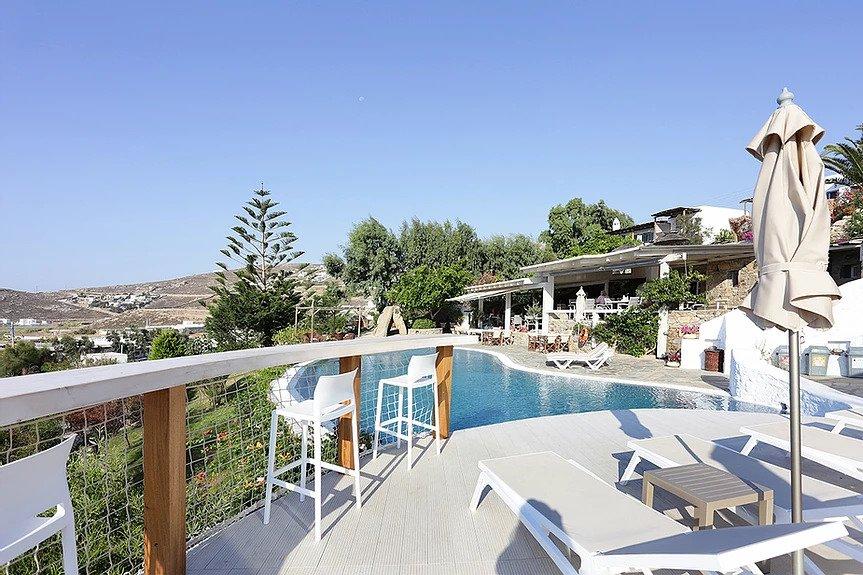
ALBATROS
PANORMOSMYKONOU
Καλωσήρθατε στο ALBATROS Club resort Το συγκρότημα διαμονής Albatros Club Resort βρίσκεται στην βόρεια πλευρά της Μυκόνου , στον Όρμο……
 住宿
住宿
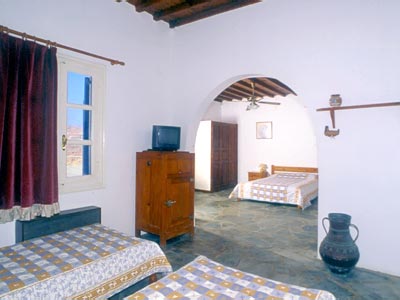
ΒΙΛΛΑ ΚΩΝΣΤΑΝΤΙΝ
TAGKOU
Καλωσήρθατε στο ξενοδοχείο Villa Konstantin! Το ξενοδοχείο Villa Konstantin είναι ένα θαυμάσιο συγκρότημα κοντά στη Χώρα, τη γραφική πρωτεύουσα της……
 住宿
住宿
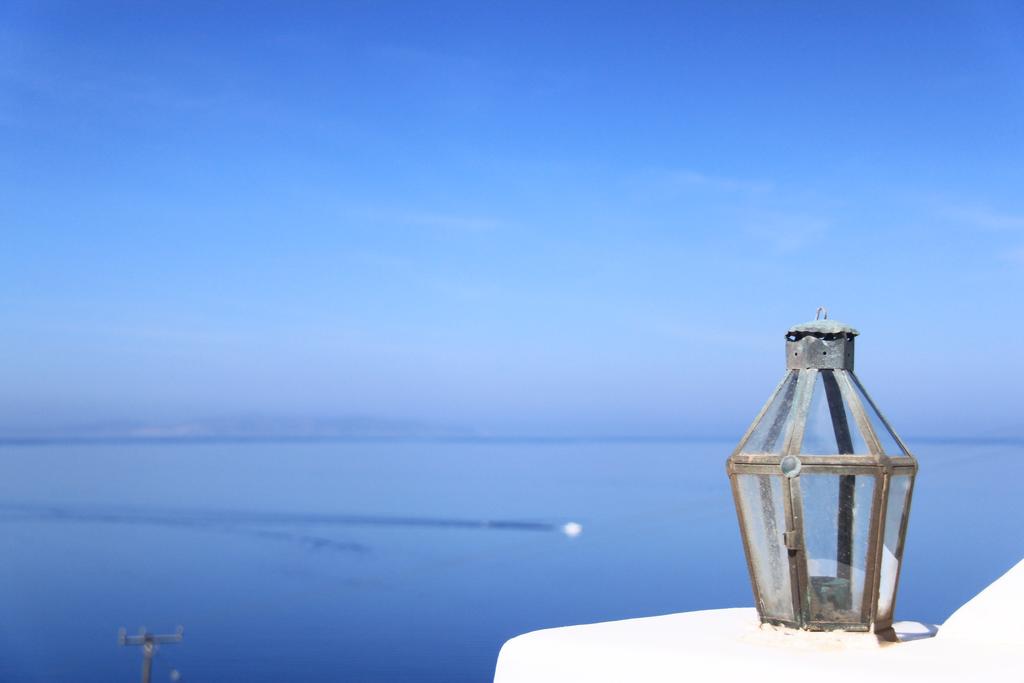
MAROULINA'S BOUTIQUE STUDIOS & APARTMENTS
CHORAMYKONOU
Σχεδιασμένα με σεβασμό στον συναρπαστικό φυσικό περίχωρο, Το Maroulina ενσωματώνει την ομορφιά της αυθεντικής Μυκονιάτικης αρχιτεκτονικής. Τα στούντιο Maroulina, βρίσκονται……
 住宿
住宿
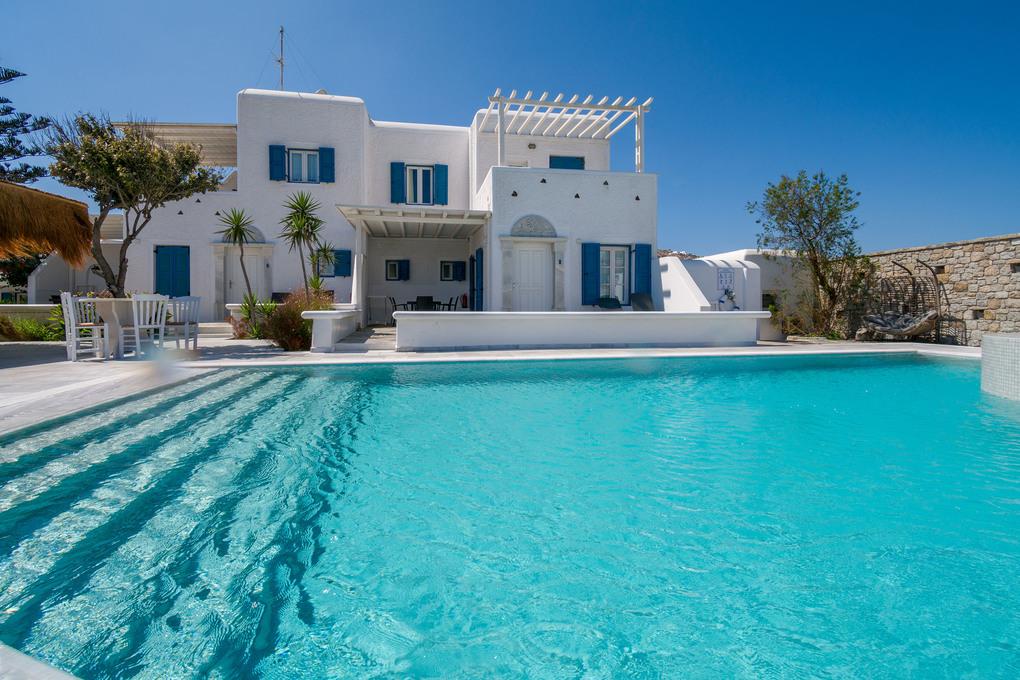
GELOS HOUSE
ORNOS
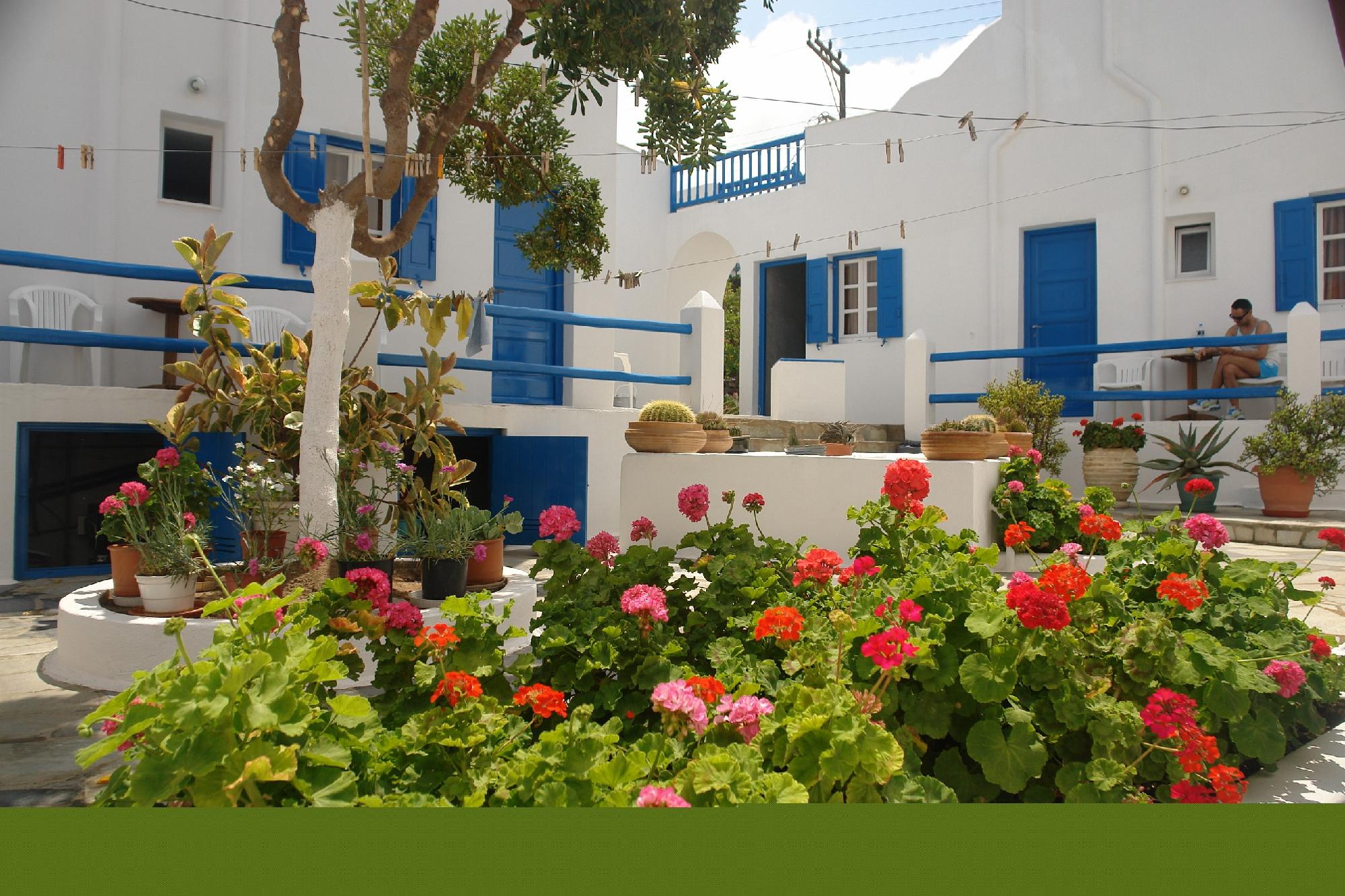
Σας καλωσορίζουμε στην οικογένειά μας. Το "σπίτι του Γκέλου" είναι ένα παραδοσιακό κτήριο που βρίσκεται 5 λεπτά από την παραλία Ορνός,……
 住宿
住宿
MARINA IN TOWN
CHORAMYKONOU
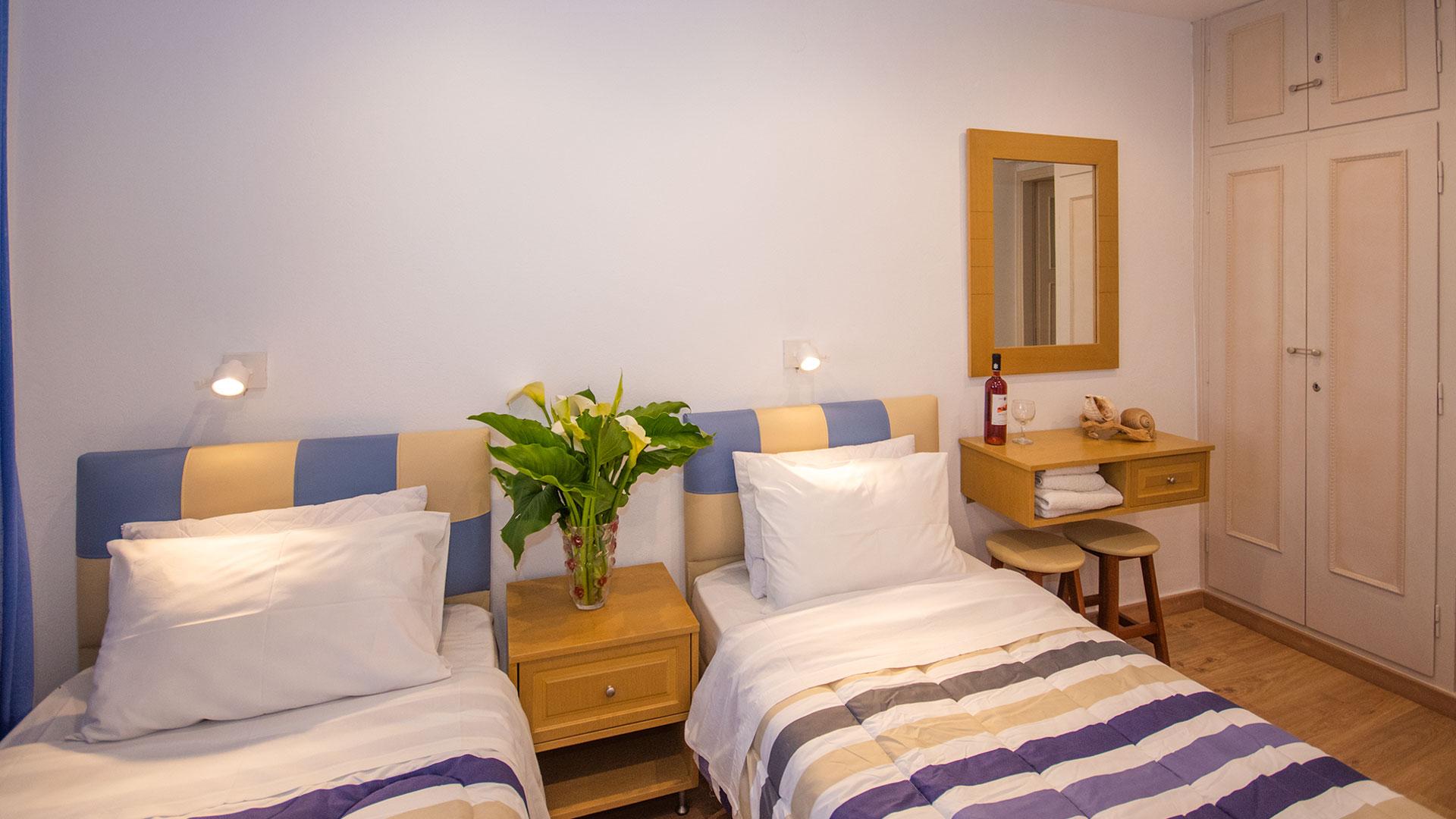
Η πανσιόν με τα 15 δωμάτια βρίσκεται σε εύκολη τοποθεσία και αποτελεί το αγαπημένο μέρος για πολλούς από τους επισκέπτες……
 住宿
住宿
ΕΝΟΙΚΙΑΖΟΜΕΝΑ ΔΩΜΑΤΙΑ ΚΑΛΟΓΕΡΑ
CHORAMYKONOU
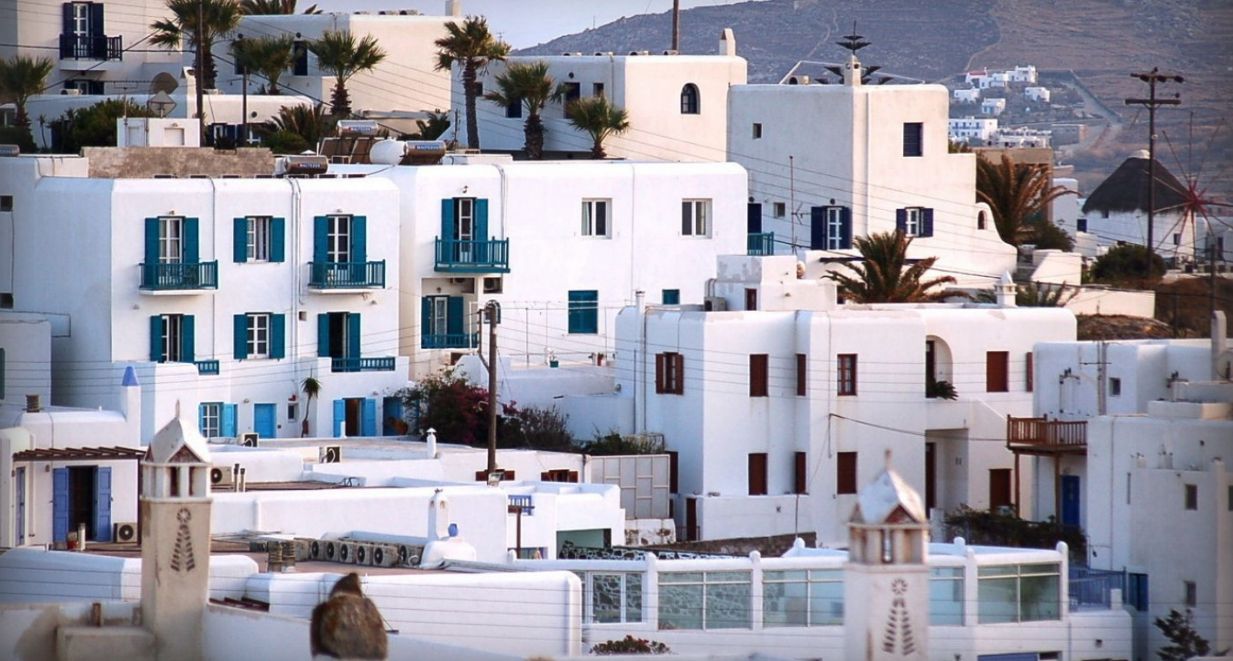
Σας παρέχουμε τη δυνατότητα να διαμείνετε στο κέντρο της πόλης για να είστε μέσα στο παλμό της νυχτερινής διασκέδασης της……
 住宿
住宿
HOTEL NAZOS
CHORAMYKONOU
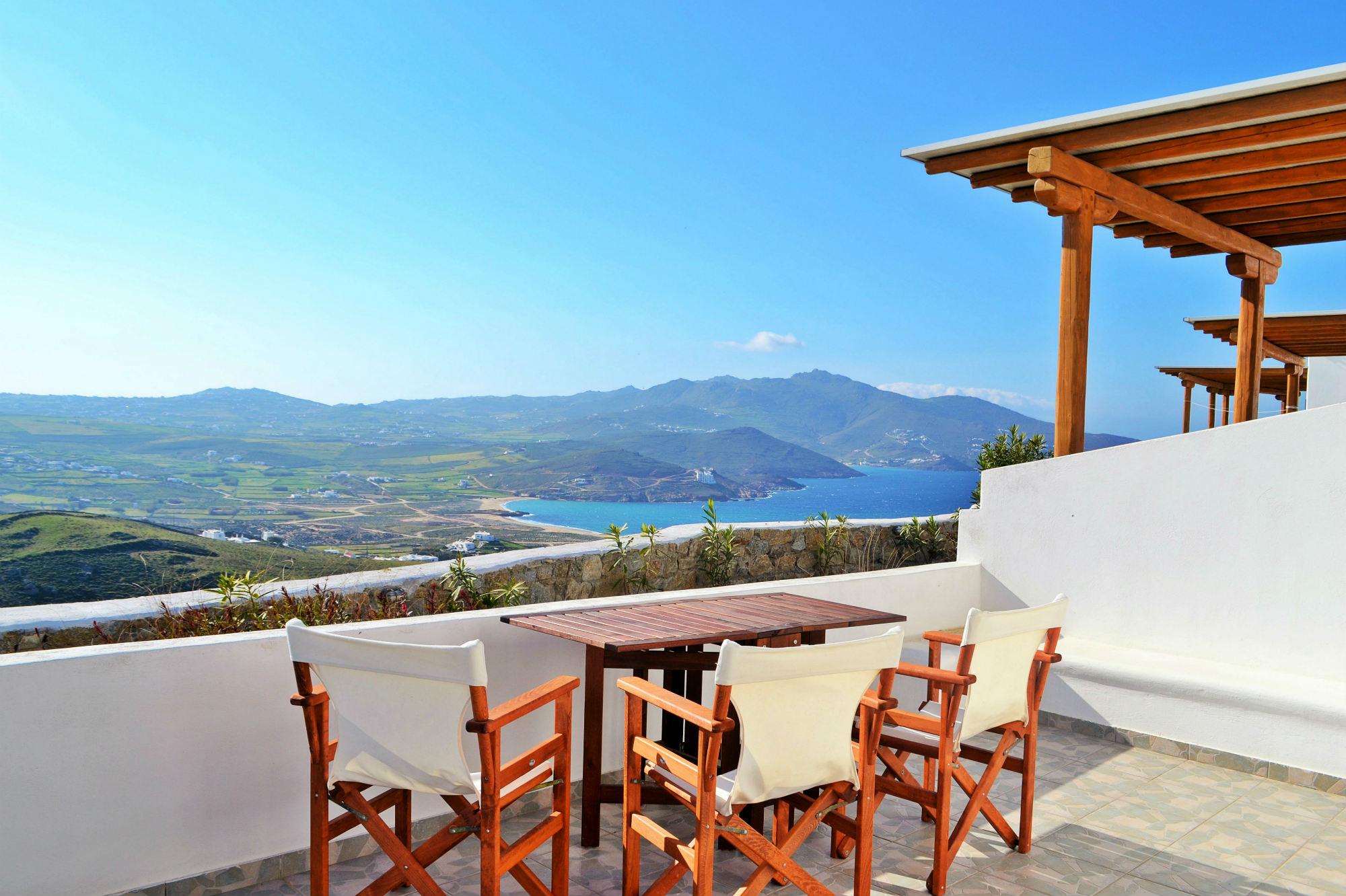
Ξενοδοχείο ΝΑΖΟΣ Nazos Hotel Μύκονος στην Πόλη | Hotel Nazos ξενοδοχείο Μυκόνου. Υπάρχουν τόσα πολλά όμορφα νησιώτικου στιλ ξενοδοχεία ή ……
 住宿
住宿
OIKIA KONDOS
ANOMERA
Στο συγκρότημα ενοικιαζομένων κατοικιών OIKIA KONDOS, θα ζήσετε τις διακοπές των ονείρων σας, σε ένα ήσυχο, φυσικό περιβάλλον μαγευτικής ομορφιάς.……
 食物
食物
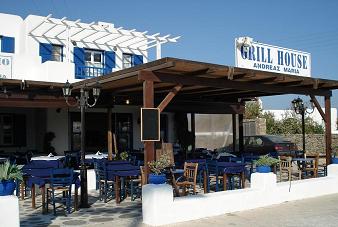
ΑΝΔΡΕΑΣ & ΜΑΡΙΑ
GLASTROS
Στη Μύκονο έχουμε δημιουργήσει μια παράδοση συνδυάζοντας την κλασσική ελληνική κουζίνα με πρωτότυπες ευρωπαϊκές γεύσεις προσφέροντας ποικιλία και ποιότητα που……
 食物
食物
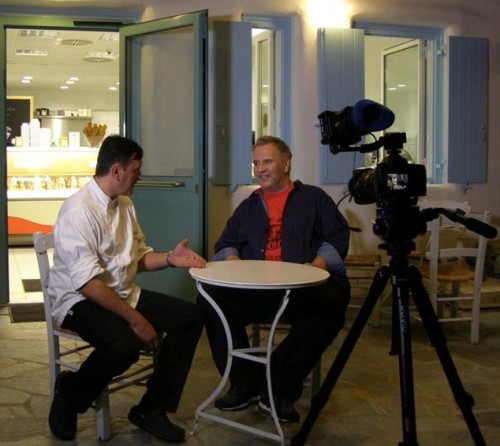
CASA DOLCE
ARGYRAINA
Η εμπειρία του να απολαύσετε αυθεντικό Ιταλικό παγωτό αρχίζει με την είσοδο σας στο κατάστημα. To gelato μας γίνεται στο……
 食物
食物
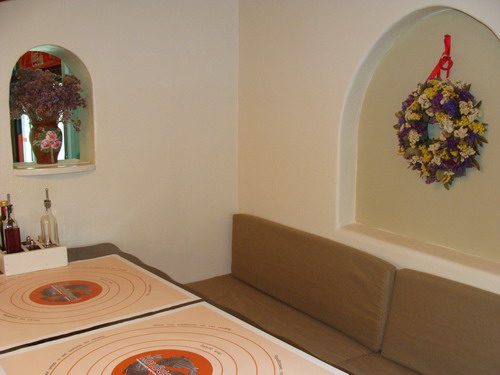
ΚΟΥΒΑΡΩΤΗ
PETEINAROS
Με σεβασμό στους πελάτες μας, με αγάπη και μεράκι δημιουργήσαμε ένα χώρο εστίασης για να ικανοποιήσουμε τις ανάγκες σας. Με……
 食物
食物
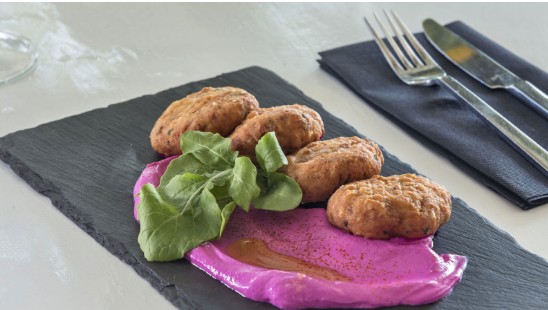
Hippie Fish Beach Restaurant & Bar
AGIOSIOANNIS
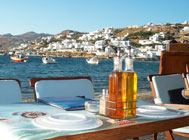
Ελάτε μαζί μας σε ένα ταξίδι. Η ψυχή του Hippie Fish βρίσκεται στην κουζίνα του και είναι προσεκτικά επιλεγμένη ομάδα.……
 食物
食物
MOURAYIO
CHORAMYKONOU
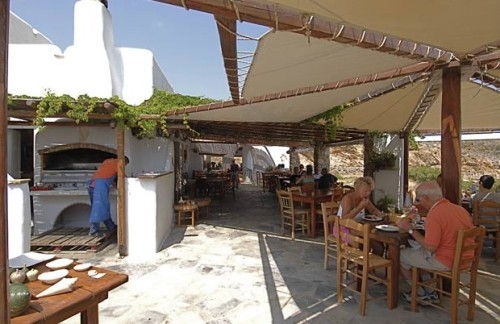
Ένα από τα παλαιότερα μαγαζιά εστίασης στη Χώρα της Μυκόνου. Η έναρξη της επιτυχημένης πορείας της επιχείρησής μας σημειώνεται ήδη από……
 食物
食物
ΜΑΡΙΣΣΑ ΠΟΛΥΧΡΟΝΗ ΤΑΜΠΟΥΛΧΑΝΑ
ANOMERA
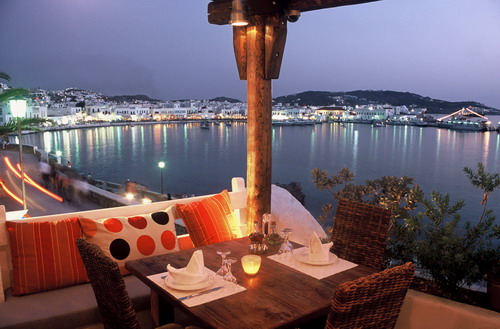
Μακριά από τους έντονους ρυθμούς της Μυκόνου, σε μια από τις ομορφότερες παραλίες του νησιού, σας περιμένουμε στο εστιατόριο Φωκός.……
 食物
食物
SQUALO BAR - RESTAURANT
CHORAMYKONOU
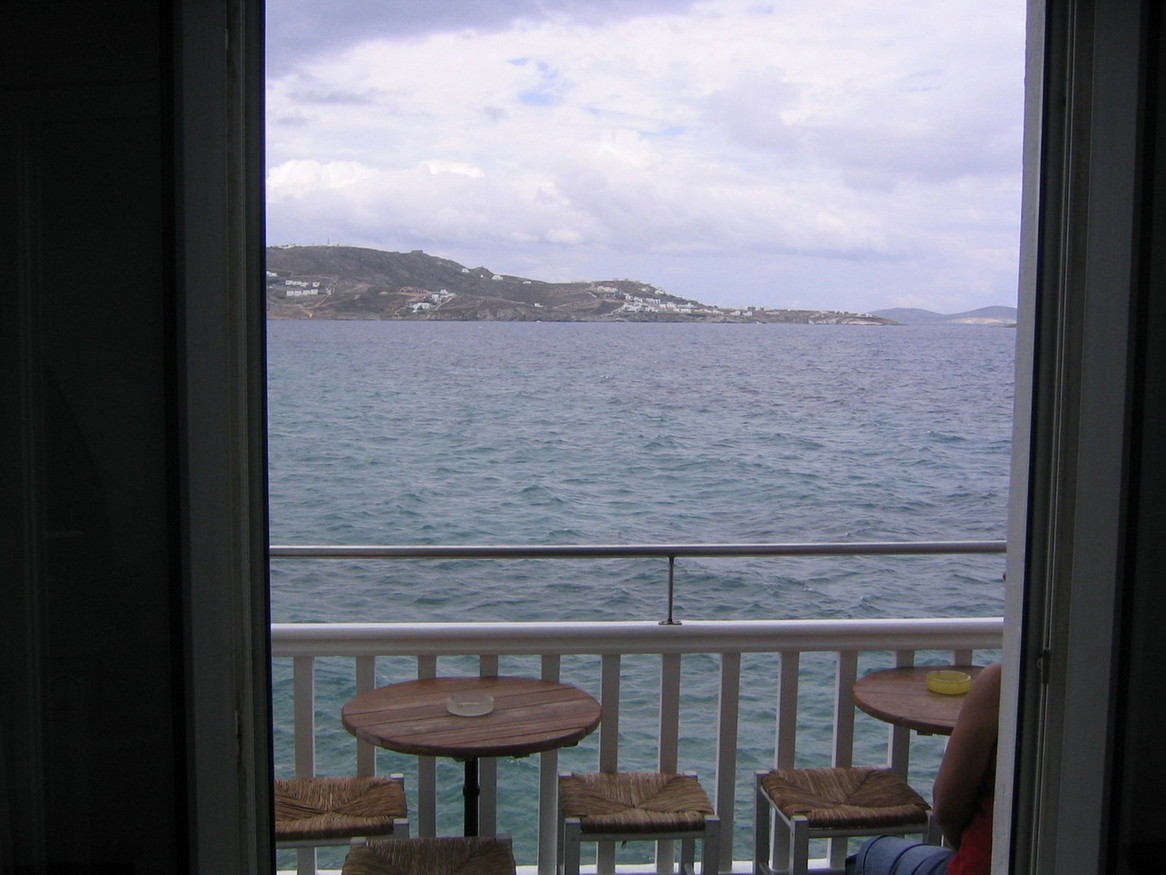
Το Squalo είναι η καινούργια πρόταση του καλοκαιριού στο νησί των ανέμων. Συνδυάζει το υπέροχο φαγητό με την μαγευτική θέα……
 娱乐
娱乐
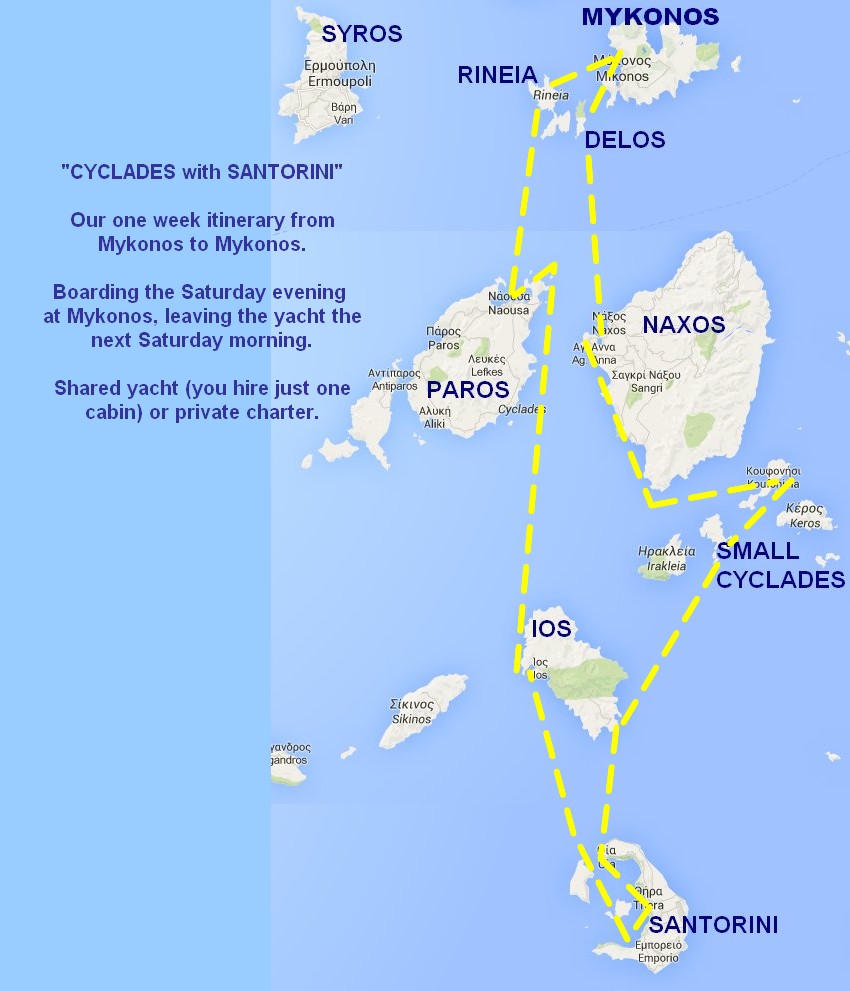
KATERINA'S RESTAURANT & COCKTAIL BAR
CHORAMYKONOU
Διακοσμημένο με ένα άνετο μεσογειακό στυλ, στον πάνω όροφο υπάρχει μια ταράτσα με καρέκλες και τραπέζια που κοιτούν στο Αιγαίο.……
 活动
活动
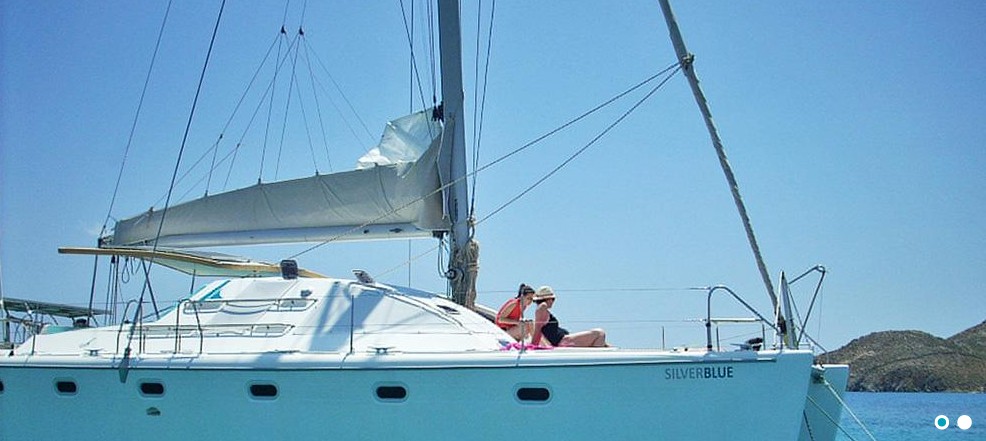
Themis MATSAKIS - Yacht Rental
CHORAMYKONOU
Ο αυθεντικός τρόπος για να πλεύσετε στα ελληνικά νησιά με άνεση με τα δικά μας παραδοσιακά ξύλινα ιστιοφόρα σκάφη αναψυχής……
 活动
活动
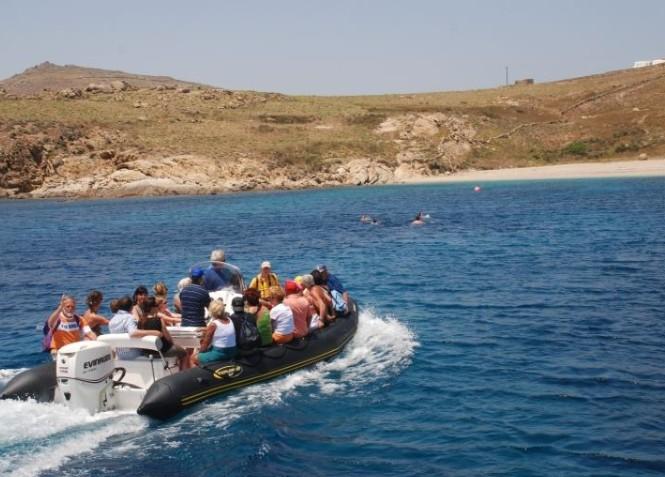
MYKONOS CATAMARAN
CHORAMYKONOU
ΓΙΑΤΙ να πλεύσετε με εμάς; Ιστιοπλοΐα: Είμαστε παθιασμένοι ναύτες και πάντα προτιμάμε ανέλκυση με τα πανιά και όχι αυτοκίνηση. Αυτός……
 活动
活动
MYKONOS CRUISES
CHORAMYKONOU
Εξερευνήσετε το Αιγαίο με το δικό σας ιδιωτικό κρουαζιερόπλοιο σε συνδυασμό με το εξαιρετικό σέρβις του άρτια εκπαιδευμένου και καταρτισμένου……
 活动
活动
ΟΙΚΟΛΟΓΙΚΟ ΑΓΡΟΚΤΗΜΑ ΜΥΚΟΝΟΥ ΒΙΩΜΑ - οινογευσία & τουρ αμπελώνα
ANOMERA
Ο ιστορικός και μοναστηριακός αμπελώνας στη Μαού αναπαλαιώθηκε το 1994 από τον Νίκο Ασημομύτη και ξαναφυτεύτηκε με παραδοσιακές αιγαιοπελαγίτικες ποικιλίες:……
 活动
活动
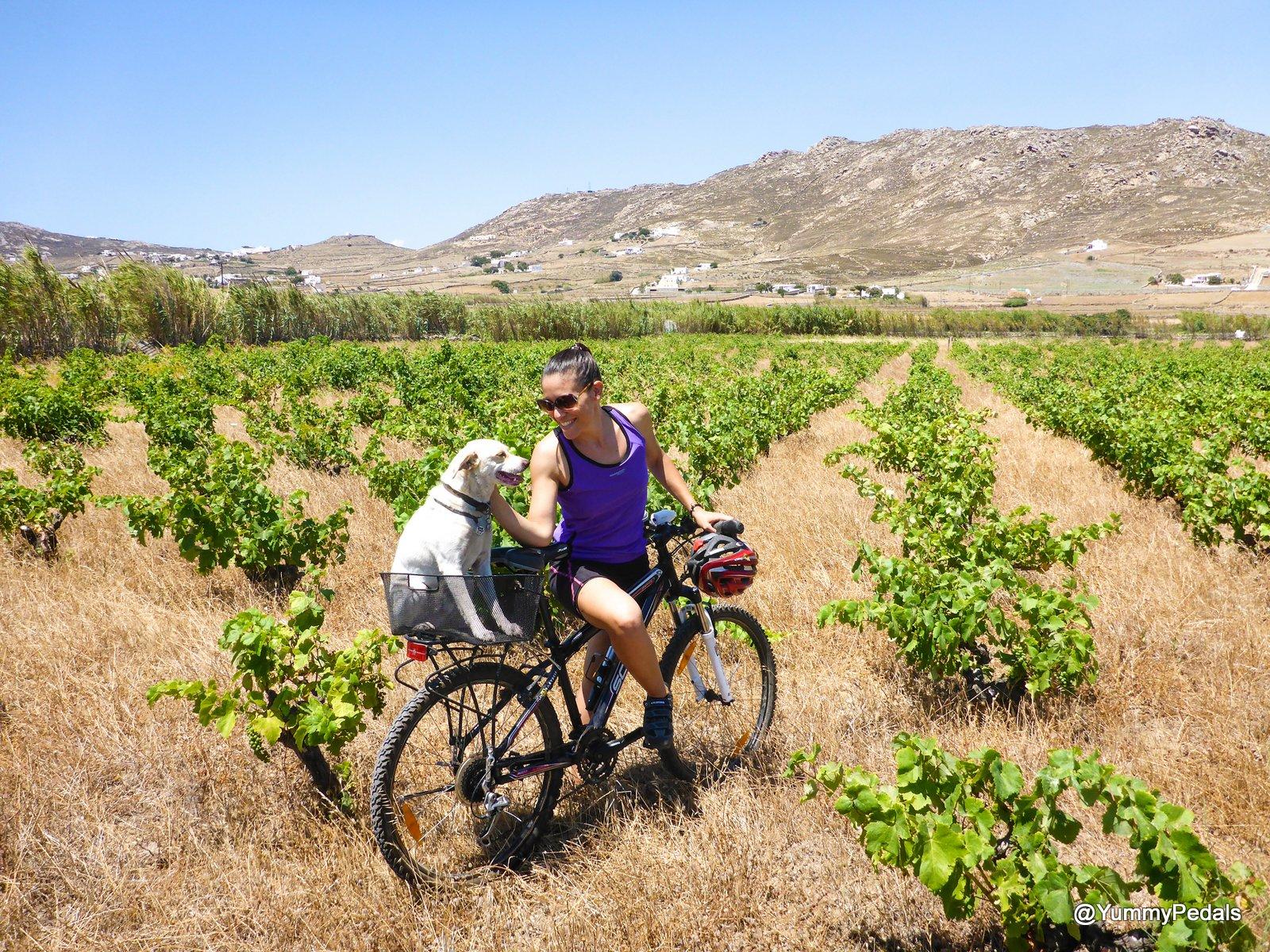
Yummy Pedals - Ποδηλατικές και Πεζοπορικές Περιηγήσεις Μυκόνου
ANOMERA
Yummy Pedals - Mykonos biking and hiking tours Οργάνωση ποδηλατικών και πεζοπορικών περιηγήσεων στη Μύκονο www.yummypedals.gr
 活动
活动
MYKONOS OLIVE OIL TASTING
CHORAMYKONOU
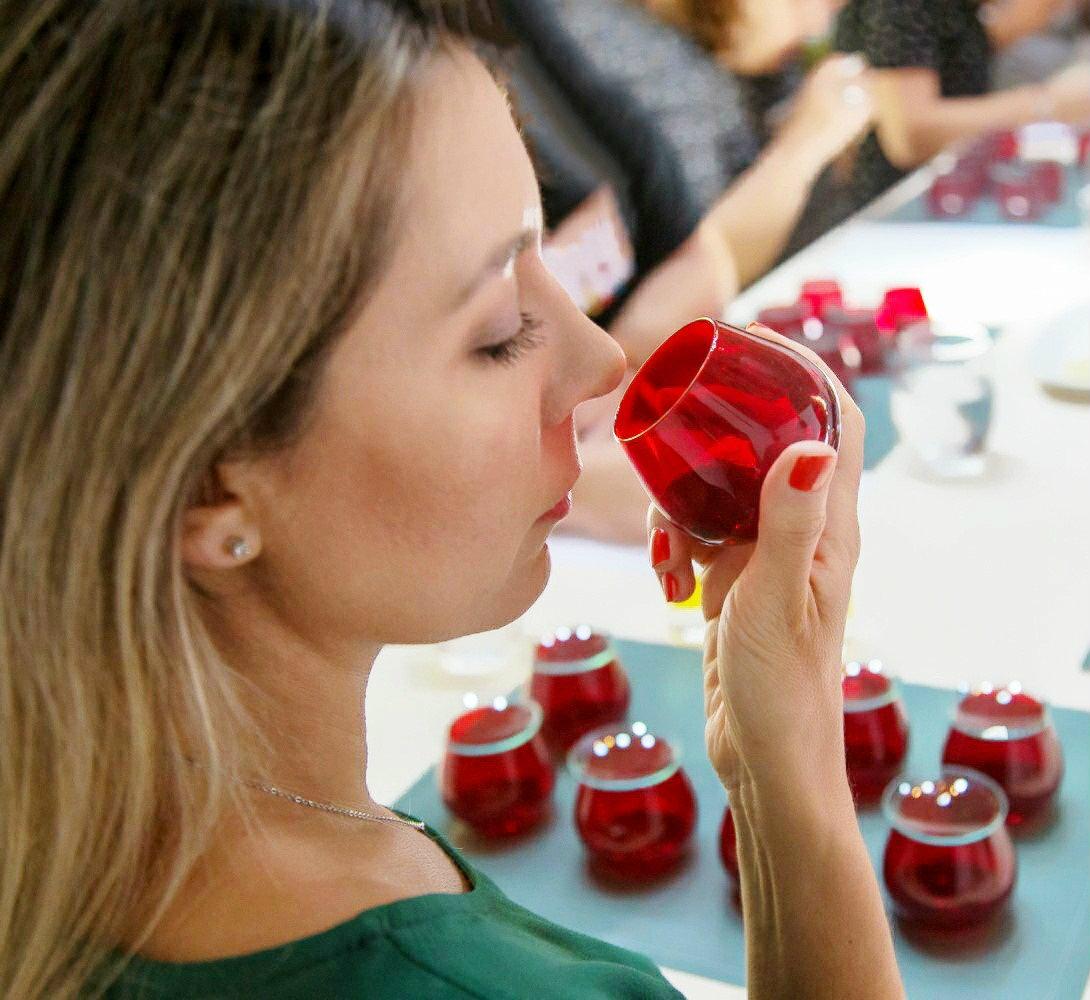
Οι δραστηριότητες της επιχείρησης είναι οι εξής: Γευσιγνωσίες Ελαιολάδου (ομαδικές και πριβέ) σε ενήλικες και παιδιά Συμβουλευτική - Εκπαίδευση……
 活动
活动
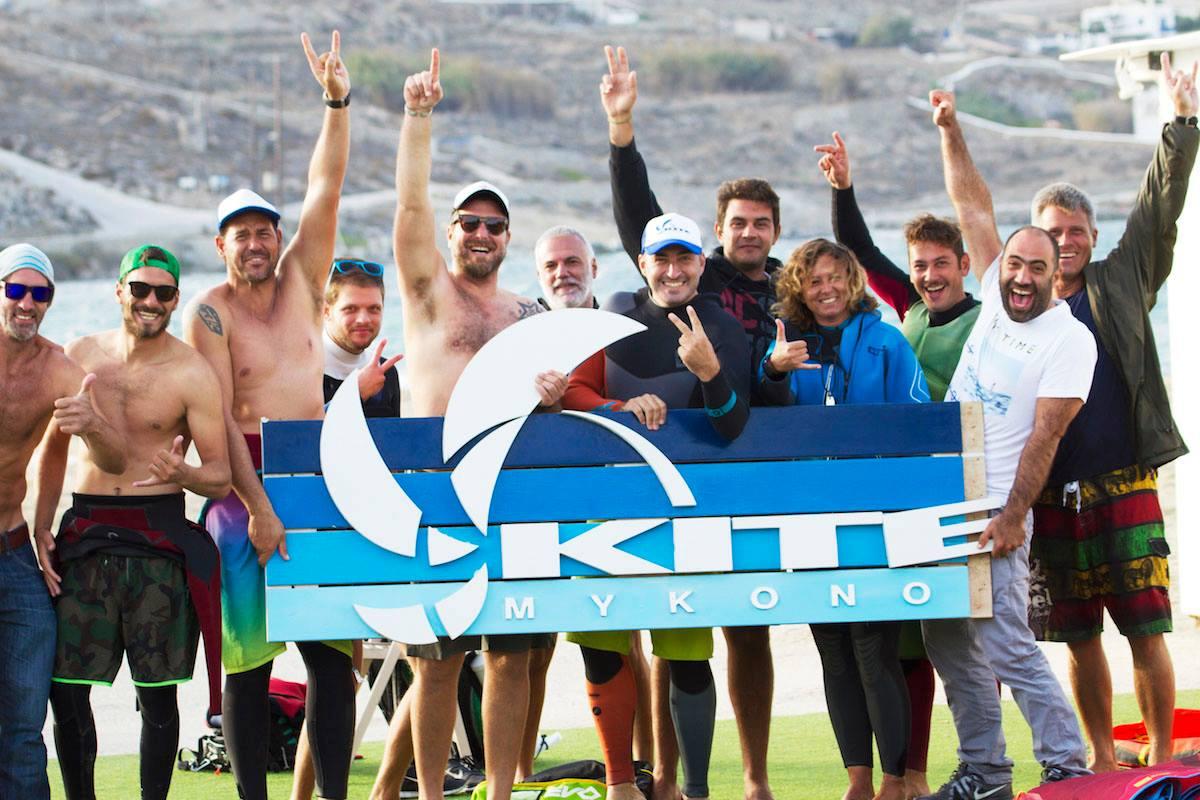
KITE MYKONOS
ORNOS
 当地产品
当地产品
ΑΜΠΕΛΩΝΑΣ ΜΥΚΟΝΟY
ANOMERA
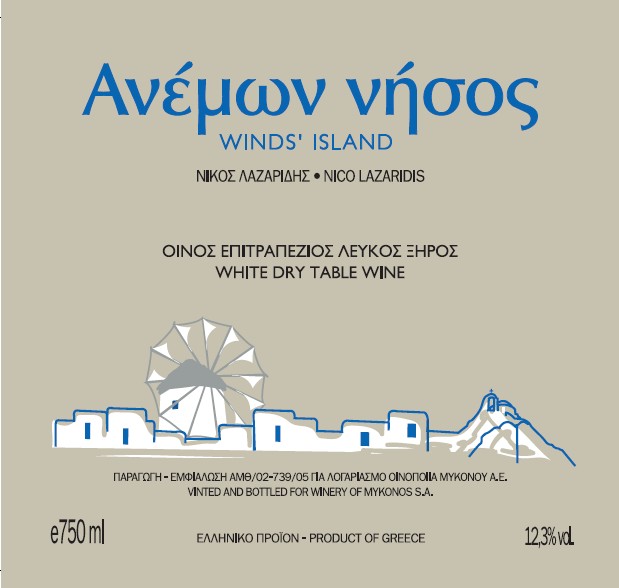
Η αμπελοκαλλιέργεια ανθούσε στη Μύκονο από αρχαιοτάτων χρόνων. Αδιάψευστο σημάδι του ότι η Μύκονος ήταν αμπελόεσσα είναι και το γεγονός……
 当地产品
当地产品
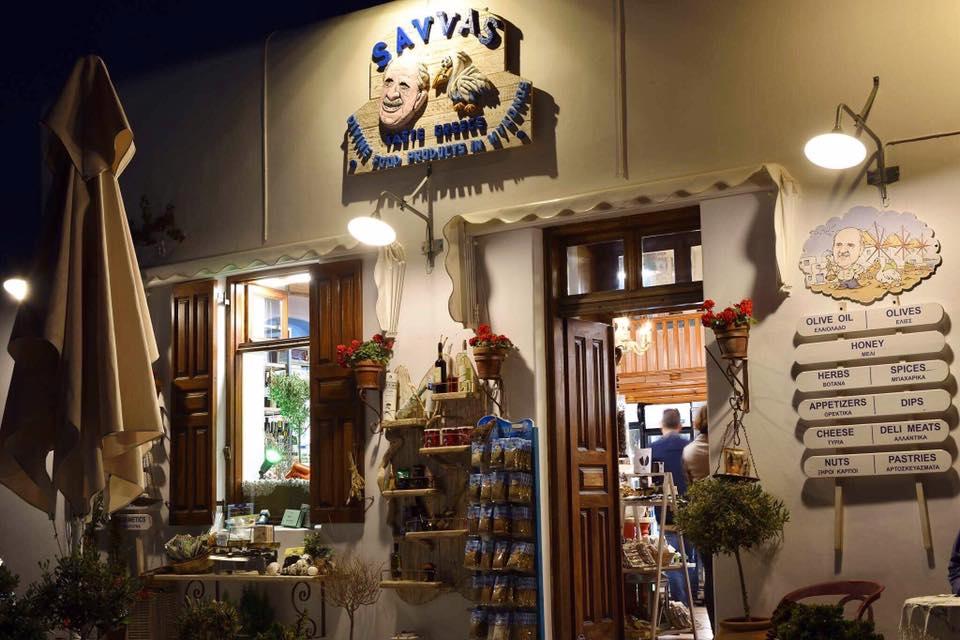
SAVVAS
CHORAMYKONOU
Έχοντας 25 χρόνια πείρα στα ελληνικά προϊόντα, συνεχίζουμε την πορεία μας στα βήματα του Μπάρμπα-Σάββα. Με την καθοδήγησή του, αναζητούμε……
 当地产品
当地产品
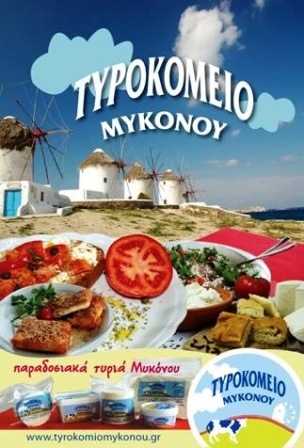
ΤΥΡΟΚΟΜΕΙΟ ΜΥΚΟΝΟΥ
ANOMERA
Η οικογένεια Κουκά εχει κατασκευάσει ένα υπερσύγχρονο Τυροκομείο ευρωπαϊκών προδιαγραφών, στο Παλαιόκαστρο στην Άνω Μερά. Για όσους αναρωτιούνται, μόνο τυχαία……
 当地产品
当地产品
SUPER MARKET ΣΤΑΘΜΟΣ
CHORAMYKONOU
ΣΟΥΠΕΡ ΜΑΡΚΕΤ ΣΤΑΘΜΟΣ
 当地产品
当地产品
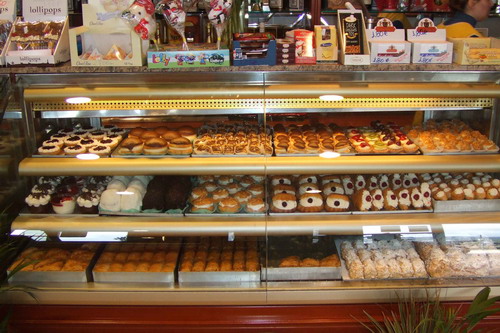
ΚΥΚΛΑΜΙΝΟ
PETEINAROS
Στο κατάστημά μας θα βρείτε μεγάλη ποικιλία γλυκών, τούρτες, τούρτες παγωτό και παγωτά παραγωγής μας. Επίσης θα βρείτε και τα……
41as
Mykonos
-
Psarou
The most glamorous beach on the island, a sheltered sandy cove with crystal-clear waters, water sports and international glamour.
-
Platys Gialos
Busy, fully organized beach in the south, a hub for the boats connecting the surrounding beaches.
-
Paranga
Twin beach between Platys Gialos and Paradise, with a more relaxed, youthful atmosphere.
-
Paradise
The legendary beach party spot, famous since the hippie era — the epicenter of fashionable fun.
-
Super Paradise
The temple of wild fun, with music that keeps going from noon until late at night.
-
Ornos
Sheltered cove with a fishing harbor and excellent facilities, very close to Chora — ideal for families.
-
Elia
One of the largest and most organized beaches on the island, with water sports and accessible by boat.
-
Kalo Livadi
Long beach in a sheltered bay on the east coast, with taverns and beach bars.
-
Kalafatis
Extensive beach in the east, a renowned center for windsurfing, kitesurfing and diving.
-
Panormos
Trendy northern beach with golden sand and beautiful scenery, more exposed to the north wind.
-
Agios Sostis
Pristine, unorganized beach in the north, next to the picturesque little chapel — peaceful and wild.
-
Ftelia
Windswept northern bay, one of the best spots in the Cyclades for windsurfing and kitesurfing.
-
Agios Stefanos
Organized family beach just north of Chora, with views of Delos and calm waters.
-
Agios Ioannis
West-facing beach with a stunning view of Delos and the sunset — scenes from «Shirley Valentine» were filmed here.
-
Megali Ammos
The closest beach to Chora, with sand and shallow waters, within easy walking distance.
-
Agrari
Secluded sandy beach on the south coast, with clear waters and a relaxed atmosphere.
-
Lia
Quiet beach on the southeastern tip, with fish taverns and crystal-clear waters.
-
Korfos
Windswept bay south of Chora, popular for windsurfing and kitesurfing.
Access & transport
How to get there
Mykonos has an international airport with numerous flights from Athens and abroad in summer. It is connected by ferry to Piraeus and Rafina (2.5–5 hours) and to the surrounding Cycladic islands. Delos is reached by daily boats from the old harbor of Chora.
Getting around the island
A local KTEL bus connects Chora with the main beaches and Ano Mera, while boats link the southern beaches. In summer traffic is heavy — car or scooter rentals help, but parking in Chora is difficult and vehicle access is limited.
Ferry tickets
Useful phone numbers
Nearby islands
Combine Mykonos with the neighbouring Cyclades.
Cyclades aiTripPlanner
Ready for Mykonos?
Plan your own trip to Mykonos, day by day, tailored to you — with the help of the aiTripPlanner.