








19°
Mon
23°
Tue
22°
Wed
21°
Milos
The island of colors and 75 beaches — volcanic landscapes in the Aegean
- 阿达曼塔斯
- 3–7h from Piraeus
- 普罗菲蒂斯·伊利亚斯 751米
- Beaches
- Geology
- Romantic
Culture
History & heritage
Milos has been inhabited since the Neolithic era thanks to its obsidian — the black volcanic glass that, sharp as a blade, became a valuable trade commodity across the Aegean and the Mediterranean long before the age of metals. The prehistoric settlement of Phylakopi rose to become a major center of Cycladic Civilization, with close contacts with Minoan Crete and Mycenaean Greece.
In classical antiquity Milos was independent and prosperous, a colony of the Dorian Spartans. In 416 BC, during the Peloponnesian War, the Athenians besieged and violently seized the island in the episode that Thucydides immortalized as the «Melian Dialogue» — a timeless text on the law of the strong.
In the early Christian centuries Milos became a refuge for the first Christians, who carved the impressive Catacombs. In the Byzantine and Venetian eras, the island, with its safe harbor, experienced both pirate raids and trading activity, while Plaka with its Castle became the fortified center.
In 1820, a farmer found in a field in Trypiti the Venus de Milo, one of the world's most famous sculptures, which ended up in the Louvre. Modern history was marked by mining activity — sulfur, kaolin, bentonite, perlite — which remains alive today, while in recent decades Milos has emerged as a top tourist destination thanks to its unique, colorful beaches.
Explore
Sights & Trails
Monasteries, castles, ancient towns and hiking routes.
Catacombs of Milos
The most important early Christian catacombs in Greece and among the most significant in the world (2nd–5th c.), an underground network of carved galleries with hundreds of tombs, where the first Christians gathered and buried their dead.
Ancient Theater
The marble Roman theater of the ancient city of Milos, built on a slope overlooking the sea and the harbor; it still hosts summer performances today.
Ancient Phylakopi
An important prehistoric Bronze Age settlement with three successive phases of habitation, one of the centers of Cycladic Civilization, in the northeast of the island near Pollonia.
Archaeological Museum of Milos
In Plaka, housing finds from Phylakopi, figurines, vessels and obsidian, as well as a faithful copy of the famous Venus de Milo (the original is in the Louvre).
Mining Museum of Milos
In Adamas, dedicated to the island's centuries-long mining history — obsidian, sulfur, kaolin, bentonite, perlite — with tools, machinery and miners' testimonies.
Folklore Museum of Milos
In Plaka, housed in a traditional mansion, with local costumes, embroidery, tools and scenes of everyday life on Milos.
Paliorema Sulfur Mines
The abandoned sulfur mines at Paliorema, in the east — an impressive, almost otherworldly industrial landscape with rusted machinery by the sea.
Plaka Castle
The Venetian castle atop Plaka, with the church of Panagia Thalassitra at its summit and panoramic views over the entire bay of Adamas.
Panagia Korfiatissa
The cathedral of Plaka, built on the edge of the cliff, with the most renowned balcony for watching the sunset over the Aegean from Milos.
Papafragkas
Striking geological phenomenon in the north: a deep cove with emerald waters hidden between vertical rocks, connecting to the open sea through a sea cave.
Venus de Milo Discovery Site
Near the ancient theater, in Trypiti, a marble plaque marks the field where in 1820 a farmer discovered the legendary statue of Venus.
Ecclesiastical Museum of Milos
In Adamas, housed in the church of Agia Triada, with rare Byzantine and post-Byzantine icons, sacred vessels and ecclesiastical heirlooms of the island.
Maritime Museum of Milos
In Adamantas, it tells the maritime history of the island — from obsidian tools and the Battle of Salamis to rare maps and the wooden caique 'Irini'.
Lakkos Thermal Springs
Thermal healing springs in Adamantas, known since antiquity; their waters (28–90°C) are famed for their therapeutic properties.
Local flavour
THE VOLCANIC SOIL OF MILOS is responsible not only for the beaches that have made it famous but also for its unique crops and distinctive flavorful products. During the Byzantine era, the island came under Venetian rule, followed by the Turks, who however never settled on the island. The Sfakian Cretans colonized its main port, Adamas, in 1844, and there is also recorded frequent pirate presence in the waters – and villages – of Milos. All these mean that the gastronomic tradition of Milos has a highly interesting multicultural character, having incorporated elements from all the influences it received. Moreover, wealthy merchants and well-traveled sailors infused their experiences into the simple cuisine of the islanders, creating new flavors.
Find what you need
Accommodation, restaurants, activities and local products of the island.
Locations come live from the official Cyclades business directory.
 住宿
住宿
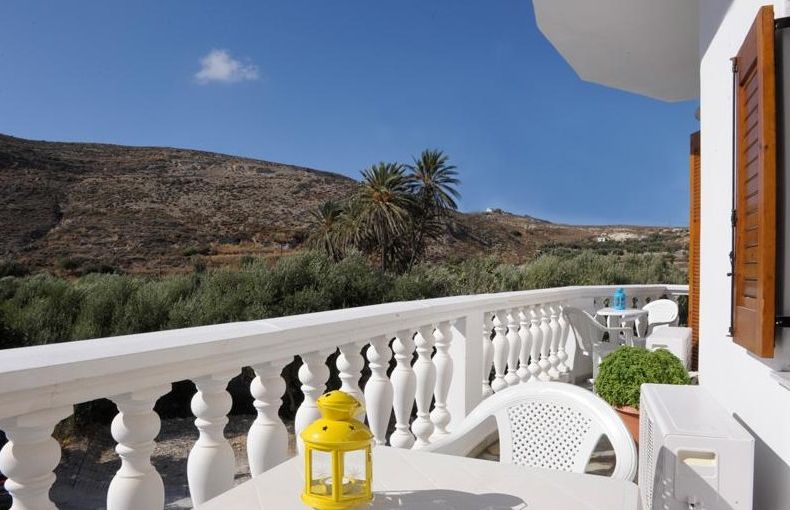
KALLIOPI VIKELI MILOS
ADAMANTAS
Οι διακοπές στη Μήλο χαρακτηρίζονται από μια πληρότητα που σπάνια συναντά κανείς σε άλλο μέρος. Παραλία με πλούσια αμμουδιά και……
 住宿
住宿
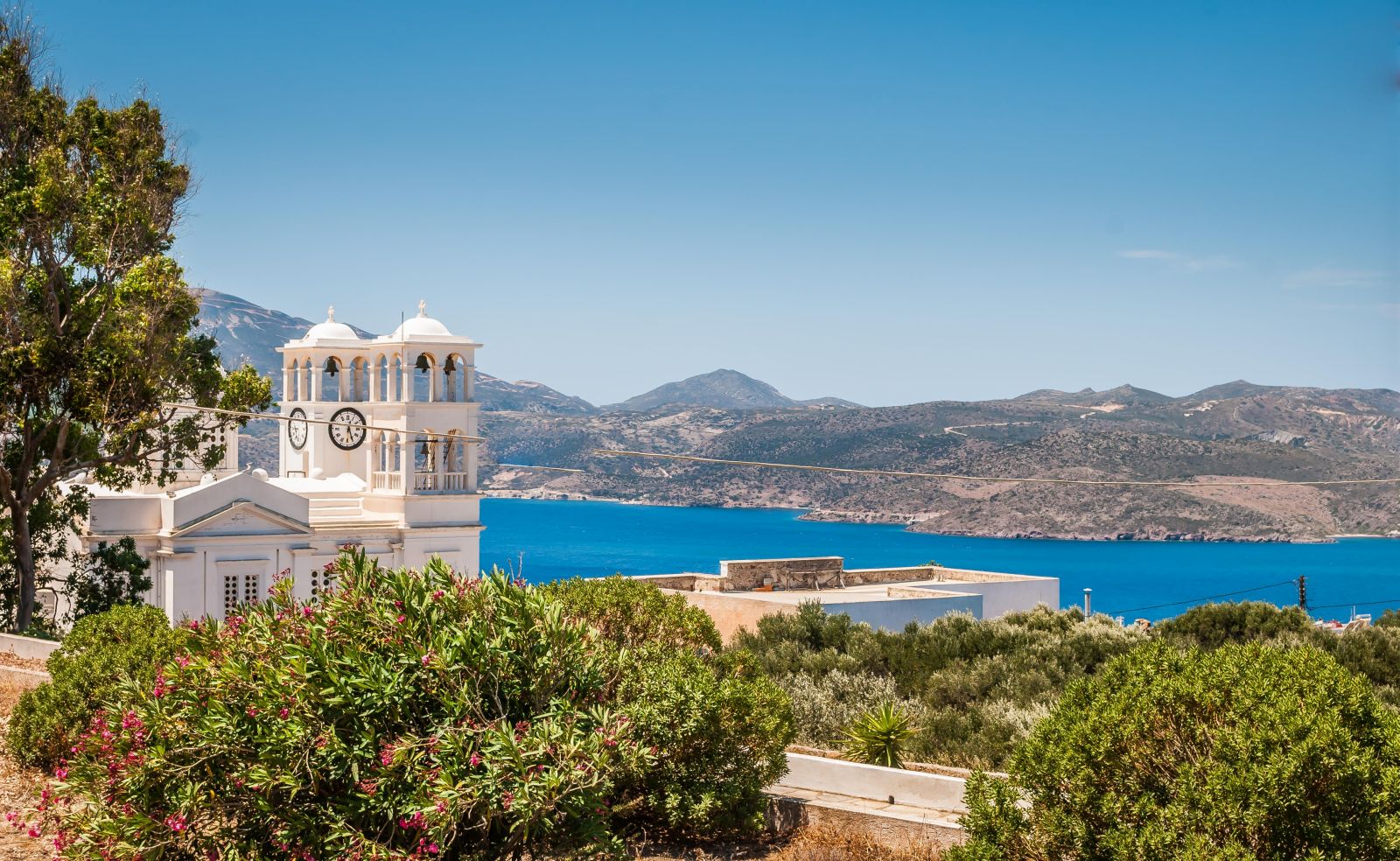
EIRIANA LUXURY SUITES
TRYPITI
The Village of Trypiti on Milos Island welcomes a brand new addition with the opening of Eiriana Luxury Suites, located……
 住宿
住宿
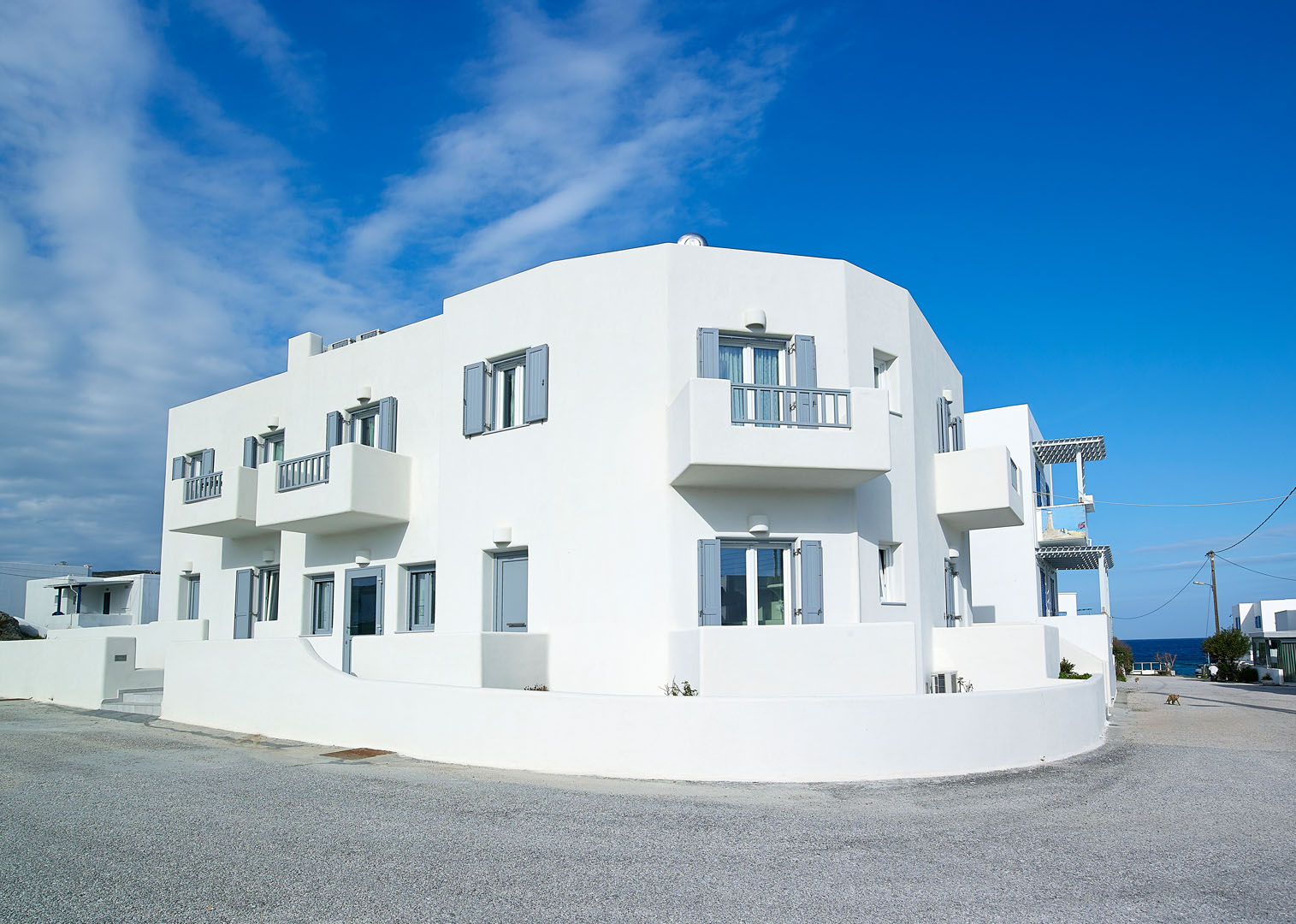
GARIFALAKIS COMFORT ROOMS
APOLLONIAMILOU
Καλωσήλθατε στα δωμάτια Garifalakis Comfort Rooms στα Πολλώνια της Μήλου! Σας καλωσορίζουμε στο πολυτελές συγκρότημα δωματίων στη Μήλο, στα γραφικά……
 住宿
住宿
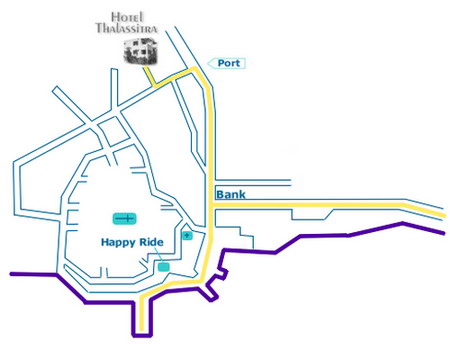
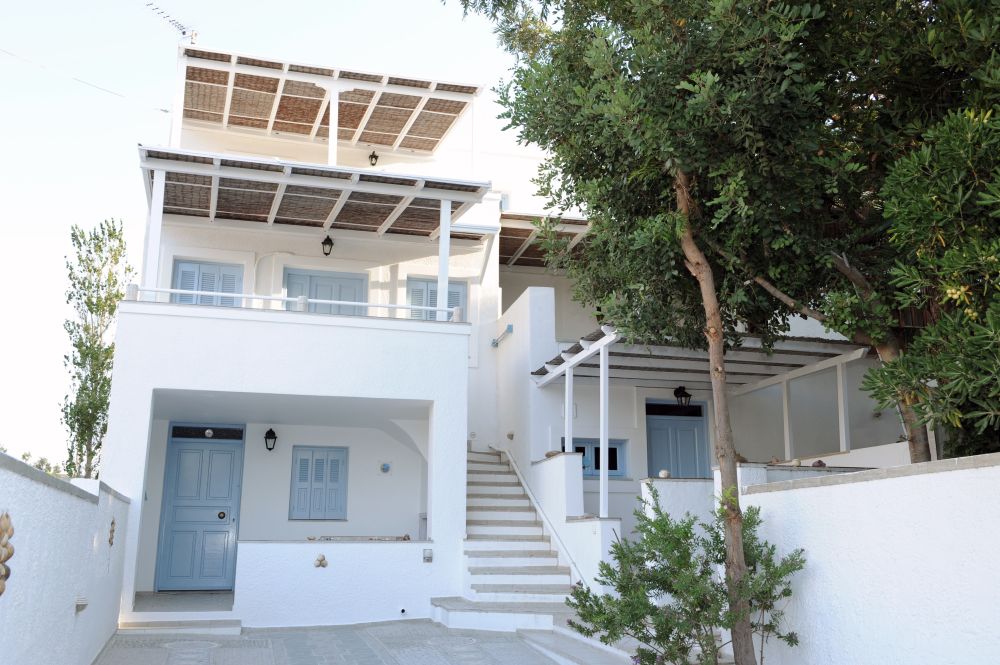
ΘΑΛΑΣΣΙΤΡΑ
ADAMANTAS
Σκέφτεστε να περάσετε τις διακοπές σας στη Μήλο; Πιστεύουμε να είναι καλή επιλογή, αφού η Μήλος χωρίς αμφιβολία είναι ένα……
 住宿
住宿
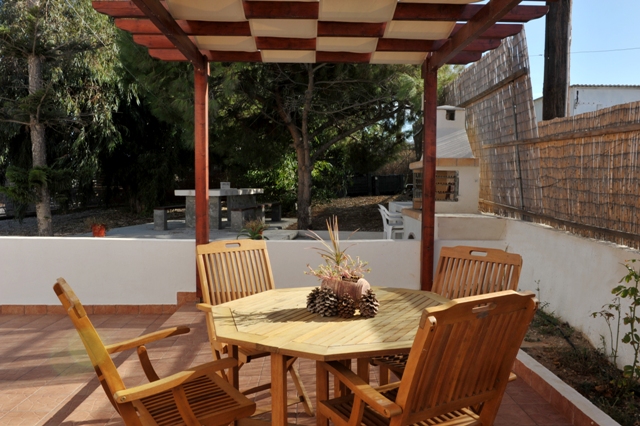
VILLA VENUS
ADAMANTAS
Συνδυάζοντας αρμονικά την απέρριτη πολυτέλεια με την κυκλαδίτικη παράδοση, η Villa Venus αποτελεί την απόλυτη πρόταση για να γνωρίσει ο……
 住宿
住宿
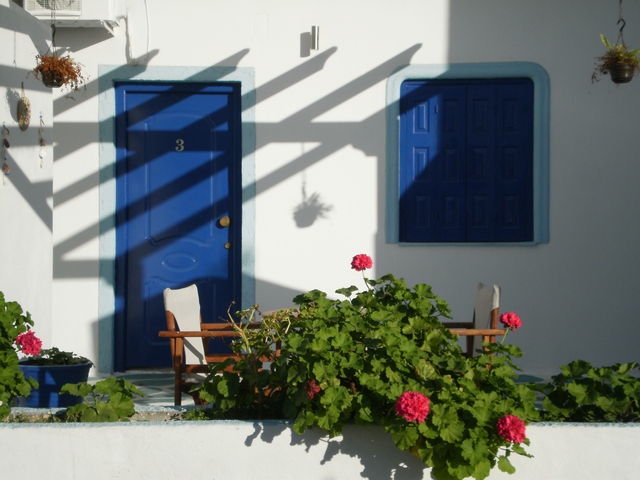
ΤΣΑΚΑΝΟΣ STUDIOS
ADAMANTAS
Στα 700μ από το λιμάνι της Μήλου, περιμένουμε να σας υποδεχτούμε στα Tsakanos Studios. Το συγκρότημα μας βρίσκεται σε μια……
 住宿
住宿
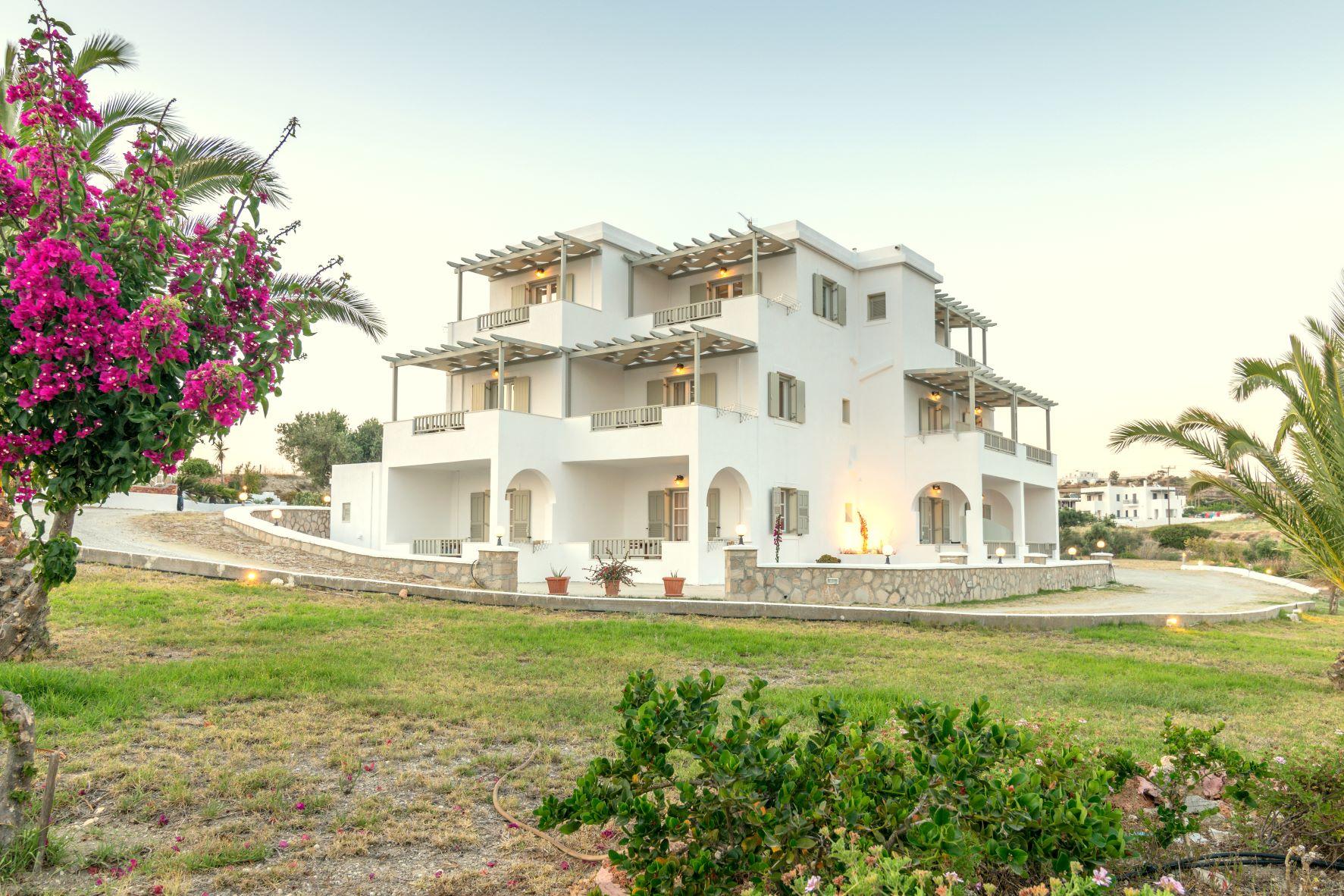
BEACH MILOS ROOMS
ADAMANTAS
Καλώς ορίσατε στα ενοικιαζόμενα δωμάτια Beach Milos Rooms της Νικολέττας. Είμαστε σε προνομιακή απόσταση από το λιμάνι του Αδάμαντα στη Μήλο,……
 住宿
住宿
KONSTANTINOS
ADAMANTAS
Αγαπητέ επισκέπτη, θα θέλαμε να σε καλωσορίσουμε στο όμορφο νησί της Μήλου και τα ενοικιαζόμενα δωμάτια Κωνσταντίνος. Η Μήλος είναι……
 娱乐
娱乐
ΓΙΑΓΚΟΣ CAFE - BAR - RESTAURANT
ADAMANTAS
Ένα από τα πιο διάσημα café bar restaurant της Μήλου που εδώ και χρόνια γράφει ιστορία στο νησί. Στο λιμάνι……
 食物
食物
ΕΝΑΛΙΟΝ
APOLLONIAMILOU
Το «Ενάλιον» που πήρε το όνομά του από τη θέση του (ενάλιον, -ιος/-ία = αυτός που βρίσκεται μέσα στη θάλασσα,……
 食物
食物
SIROCCO
PALAIOCHORI
Πάνω ακριβώς στην παραλία του Παλαιοχωρίου θα συναντήσετε το Sirocco. Ξεχωριστή και δυνατή προσωπικότητα με εξαιρετικά παραδοσιακή κουζίνα, αναλαμβάνει να……
 食物
食物
ΓΑΛΗΝΗ
AGIAEIRINI
Ένα από τα καλύτερα εστιατόρια στην Μήλο, είναι το εστιατόριο Γαλήνη στην Αγ. Ειρήνη της Μήλου. Το εστιατόριο βρίσκεται δίπλα……
 食物
食物
ΓΙΑΛΟΣ
APOLLONIAMILOU
Όπου και αν ταξιδέψει κανείς, πέρα από την ομορφιά του τόπου, αναζητά γεύσεις και αρώματα που θα τον συγκινήσουν, θα……
 娱乐
娱乐
DEEP BLUE
PALAIOCHORI
Deep Blue... Το κοιτάς και θέλεις να βουτήξεις μέσα του. Δροσιστικό, καλοκαιρινό, ερωτικό, άρωμα από καλοκαίρι. Σε Μαγεύει το χρώμα……
 食物
食物
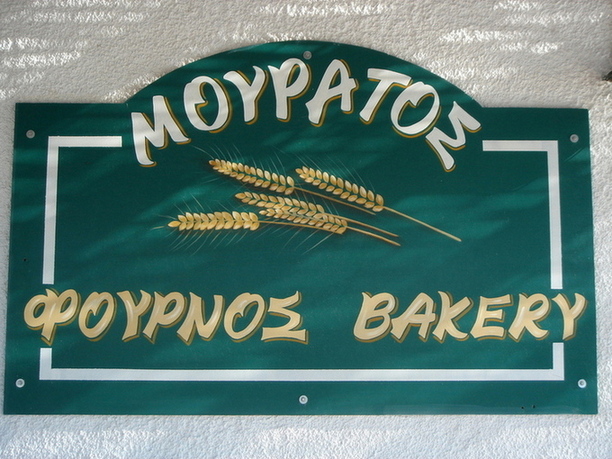
ΜΟΥΡΑΤΟΣ
KATIFORA
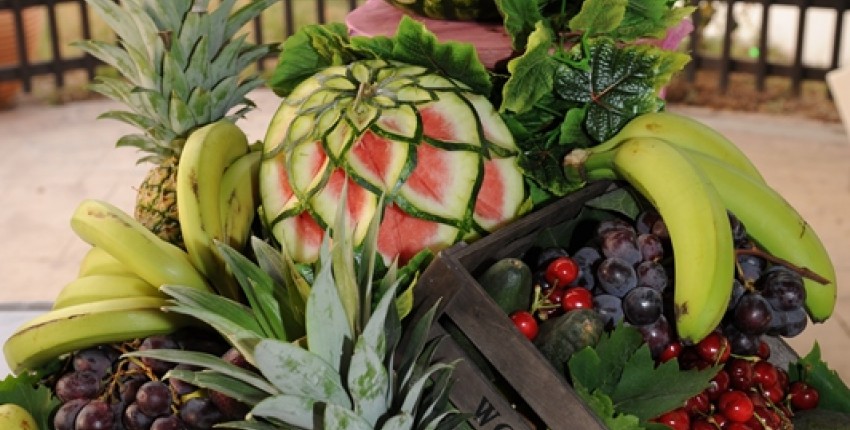
Μια οικογενειακή επιχείρηση στη Μήλο με ιστορία 74 ετών στην αρτοποίηση Γεννημένος στην Κίμωλο τη περίοδο του Μεσοπολέμου, ο ανήσυχος……
 食物
食物
GLARONISIA CATERING
TRYPITI
Το Catering ‘Γλαρονήσια’ αναλαμβάνει τη διοργάνωση εκδηλώσεων γάμων, βαπτίσεων, παιδικών, εταιρικών αλλά και κοινωνικών εκδηλώσεων. Με πολυετή εμπειρία στο χώρο……
 活动
活动
SEA KAYAK MILOS
TRIOVASALOS
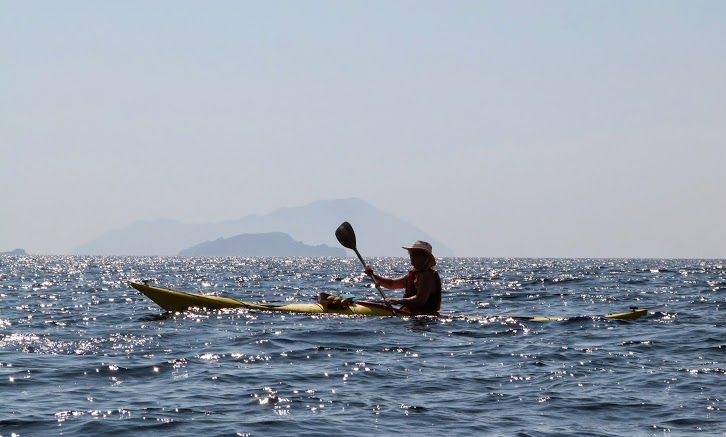
Welcome to Sea Kayak Milos, the only sea kayaking centre in the Aegean islands of Greece. We are a family……
 活动
活动
THALASSITRA
ADAMANTAS
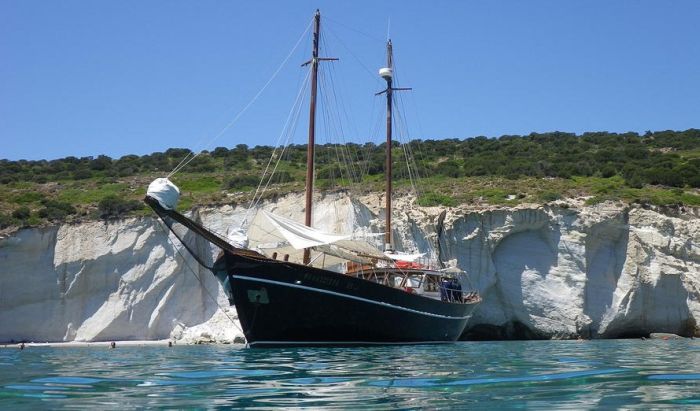
THALASSITRA SAILING BOAT Καθημερινές ημερήσιες θαλάσσιες εκδρομές για τον γύρο του νησιού και όχι μόνο. Το νεαρό 20μετρο δικάταρτο «Θαλασσίτρα»……
 活动
活动
PASTELI WATER GAMES
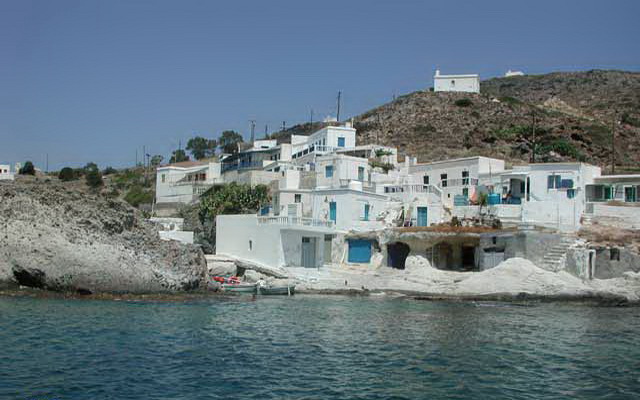
AGIAKYRIAKI
Στην όλο ζωντάνια παραλία της Αγίας Κυριακής, σας περιμένουν κάθε μέρα, όλη μέρα, kayak (sit on top ή stand up)……
 活动
活动
ΚΑΤΑΔΥΤΙΚΟ ΚΕΝΤΡΟ ΜΗΛΟΣ
APOLLONIAMILOU
Βορειοδυτικά του νησιού στα Απολλώνια ο επισκέπτης συναντά το Milos Diving Center. Δίπλα στο κύμα για την άμεση πρόσβαση του……
 活动
活动
PITS WATERSPORTS
PALAIOCHORI
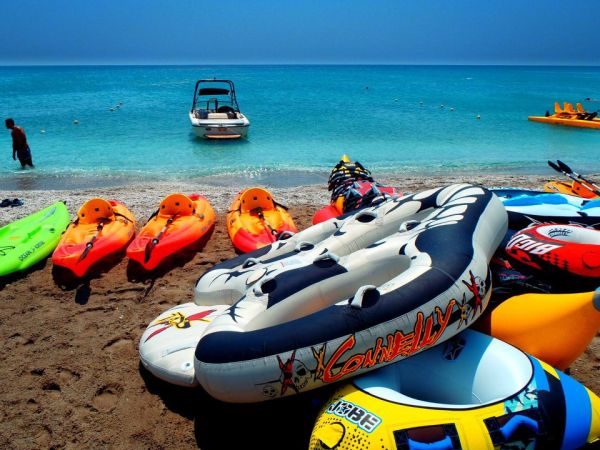
Jet Ski, Waterski, Wakeboard, Tubes, Pedal Boats, Canoe For a great combination of wet action & adventure, visit Pits Watersports……
BLOOMARINE MILOS
AGIAKYRIAKI
 活动
活动
SUMMER STORIES RENT A BOAT
ADAMANTAS
 当地产品
当地产品
KOSTANTAKIS CAVE WINERY
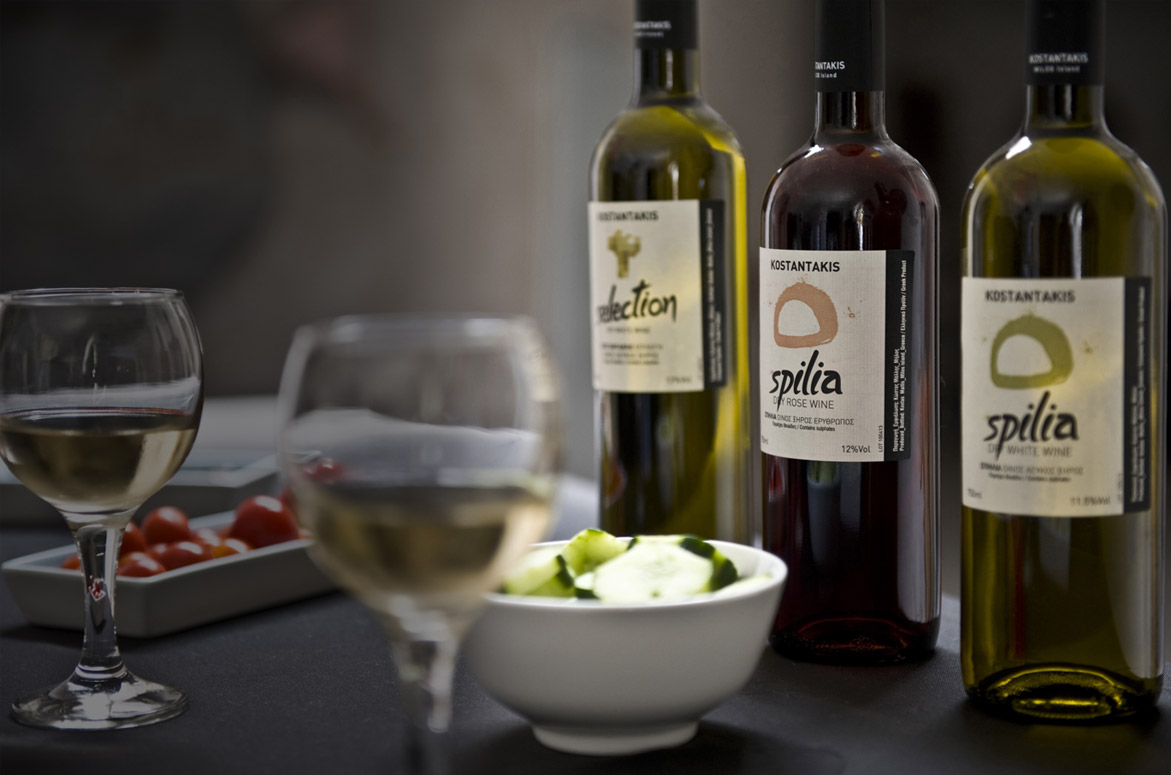
APOLLONIAMILOU
Στο όμορφο ψαροχώρι της Μήλου, την Πολλωνία (ή Απολλώνια), στα βορειοανατολικά του νησιού, βρίσκονται οι αμπελώνες του Οινοποιείου Κωνσταντάκη. Εκεί……
 当地产品
当地产品
ΠΑΡΑΔΟΣΙΑΚΑ ΕΔΕΣΜΑΤΑ
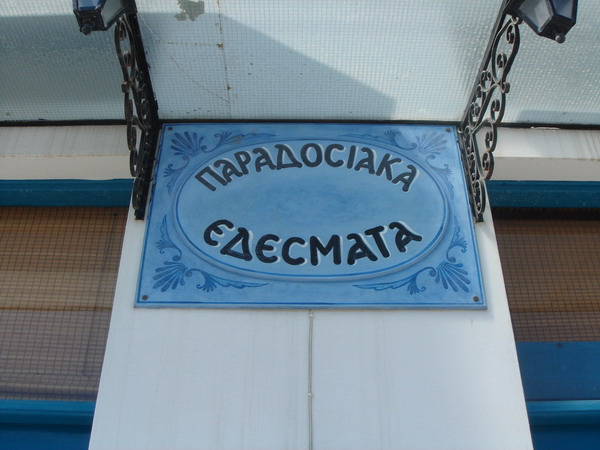
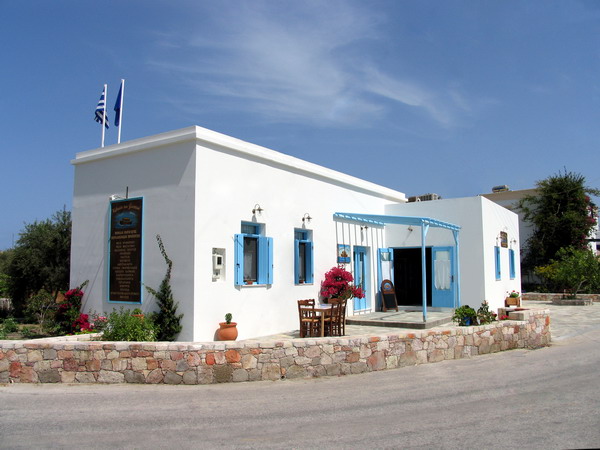
ADAMANTAS
Παντρεύοντας την παράδοση με τις απαιτήσεις της σύγχρονης εποχής, παρασκευάζουμε με μεράκι σπιτικά γλυκά, παραδοσιακές πίτες, σκινοπαξιμάδια και γλυκό κουταλιού……
 当地产品
当地产品
ΚΙΒΩΤΟΣ ΤΩΝ ΓΕΥΣΕΩΝ
APOLLONIAMILOU
Μια πραγματική κιβωτός διατήρησης των γεύσεων και των αρωμάτων της Μήλου σας υποδέχεται στην είσοδο των Απολλωνίων, στο καλαίσθητο εργαστήριο……
 当地产品
当地产品
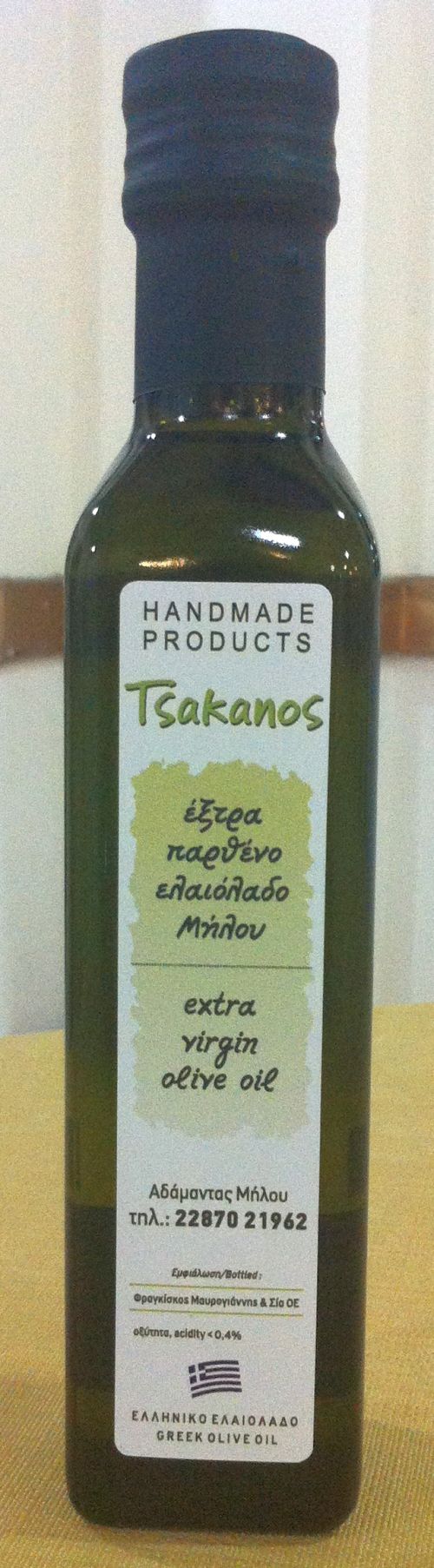
TSAKANOS
ADAMANTAS
-
Sarakiniko
The legendary lunar landscape with white rocks sculpted by the wind — the undisputed trademark of Milos.
-
Kleftiko
Impressive white rocks, arches and caves in turquoise waters, accessible only by sea.
-
Firiplaka
Large organized beach with golden sand beneath imposing multicolored volcanic rocks in the south.
-
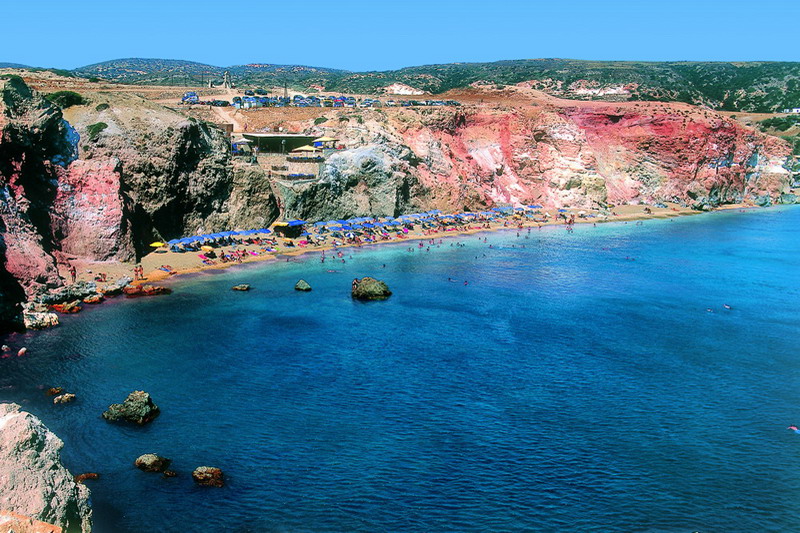
Paliochori
Striking beach with red, orange and white rocks and warm waters heated by volcanic activity.
-
Provatas
Seaside settlement with soft golden-red sand and shallow waters, ideal for families.
-
Tsigrado
Small hidden beach accessed through a narrow rock passage, with ropes and ladders — for the adventurous.
-
Agia Kyriaki
Beautiful organized beach in the south, with pebbles, clear waters and views of the colorful rocks.
-
Firopotamos
Picturesque fishing spot with white syrmata carved into the rock and crystal-clear waters, on the north coast.
-
Papafragkas
Small cove hidden between tall rocks, with incredibly blue waters entering through a natural sea cave.
-
Plathiena
Sheltered sandy beach near Plaka, embraced by rocks — popular for sunset.
-
Achivadolimni
The island's largest sandy beach, in the bay of Adamas, next to Milos's unique lagoon.
-
Mytakas
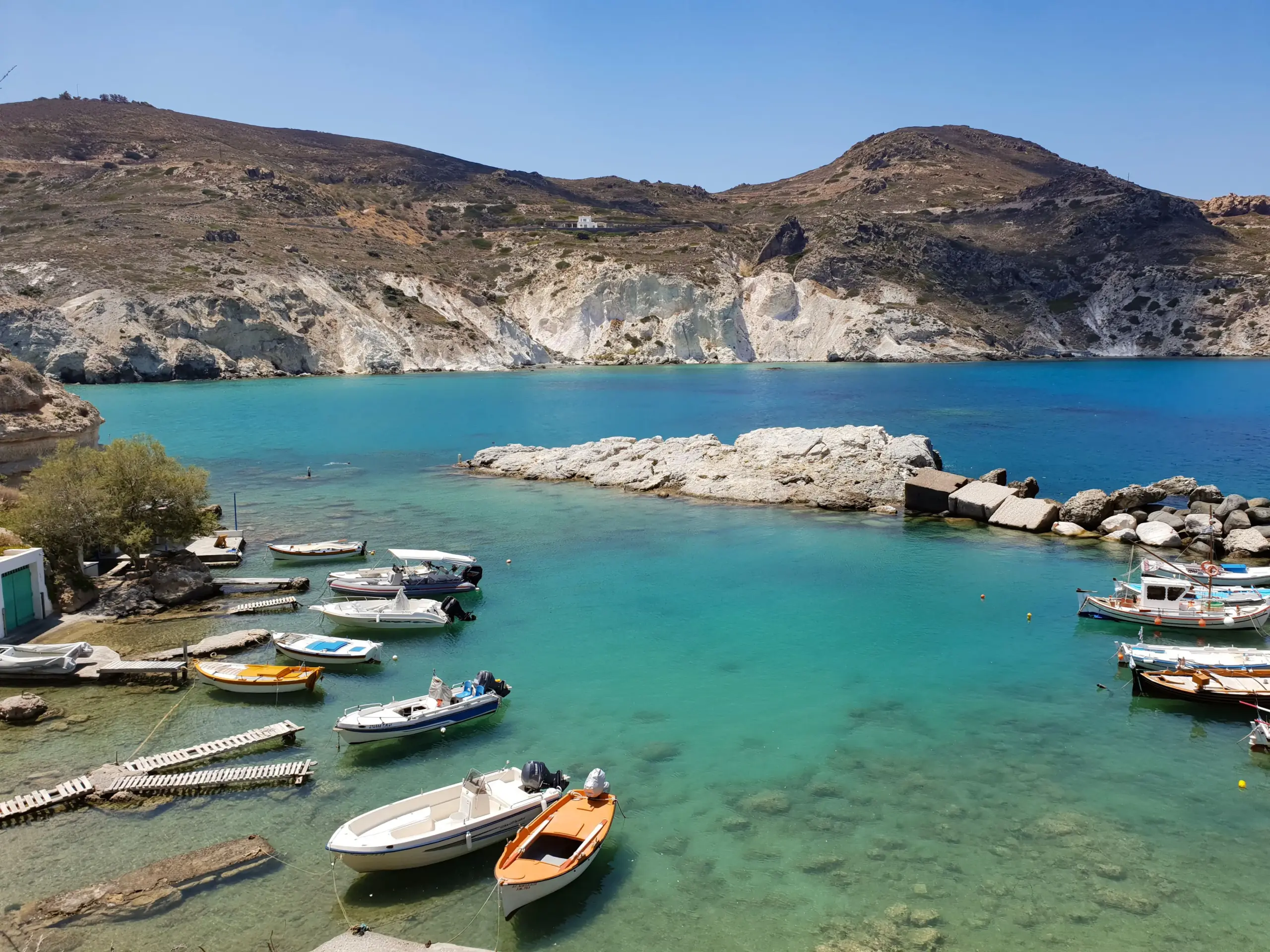
Small picturesque cove in the north with fishermen's syrmata and shallow, calm waters, near Pollonia.
-
Triades
Three sandy coves with sea caves on the remote western coast — accessible mainly by sea.
-
Agios Ioannis
Two isolated coves in the west, wild and beautiful; access is via dirt road or by boat.
-
Alogomandra
A small sandy beach on the north coast with ropes and small boats, right next to the moon-like landscape of Sarakiniko.
-
Agios Konstantinos
A quiet pebble beach in the north with clear waters, far from the crowds.
-
Papikinou
An organized sandy beach near Adamantas, ideal for families, with taverns and easy access.
Access & transport
How to get there
Milos has an airport with flights from Athens (~40′). By sea, the port of Adamas is connected to Piraeus (3–7 hours, depending on the vessel) and to the islands of the Western Cycladic arc (Sifnos, Serifos, Kimolos, Folegandros, Kythnos).
Getting around the island
A local bus connects Adamas with Plaka and the main beaches. For the remote beaches, car or scooter rentals are essential, while for Kleftiko and touring around the island, boat trips by caique are the only option.
Ferry tickets
Useful phone numbers
Nearby islands
Combine Milos with the neighbouring Cyclades.
Cyclades aiTripPlanner
Ready for Milos?
Plan your own trip to Milos, day by day, tailored to you — with the help of the aiTripPlanner.