








21°
Sat
22°
Sun
22°
Mon
21°
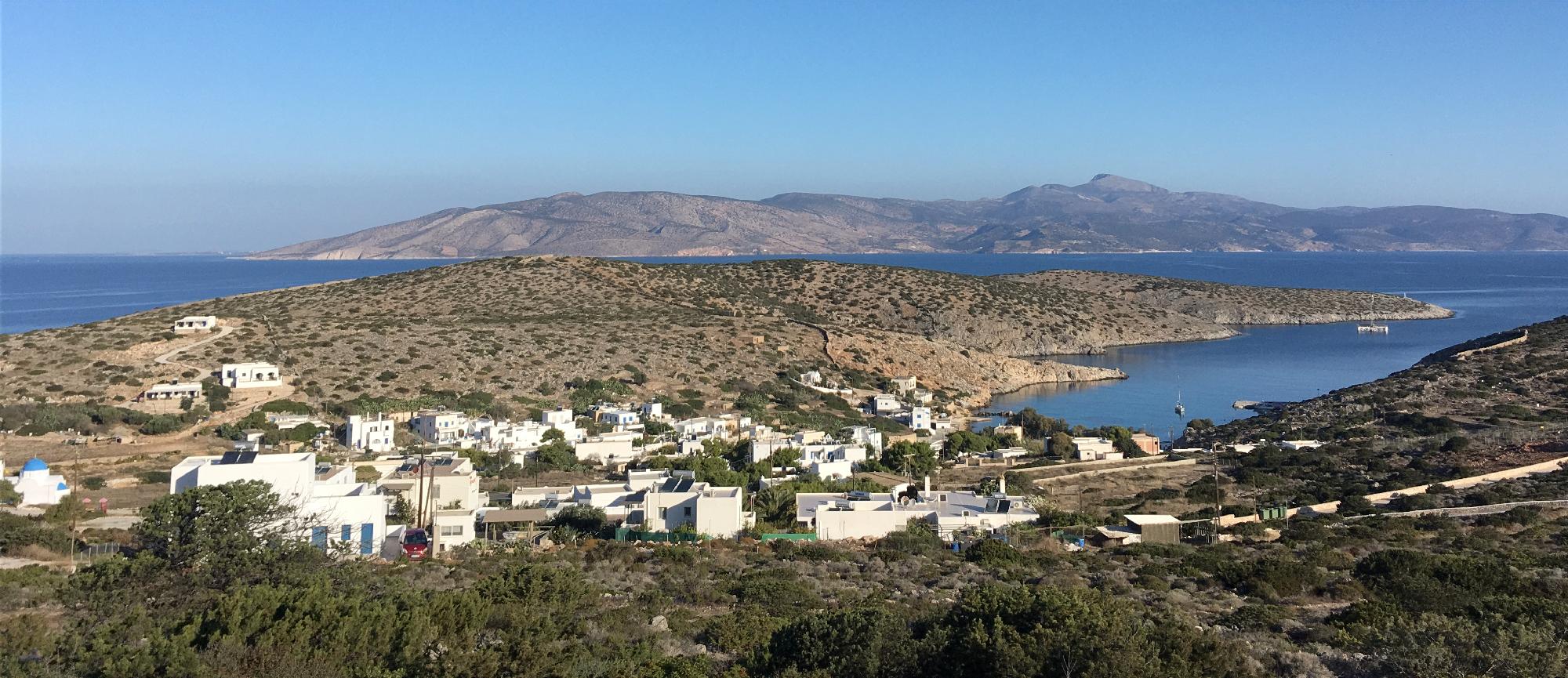
Iraklia
Calm in crystal-clear waters — and an emerging gastronomic destination
- 圣乔治
- 6–9h from Piraeus
- Παπάς 419m
- Tranquility
- Hiking
- Nature
Culture
History & heritage
Iraklia has been inhabited since deep antiquity and always belonged to the sphere of influence of neighboring Naxos. Its name is attributed to the hero Heracles, while the ruins of the Hellenistic tower above Livadi attest to organized habitation and fortification already from ancient times. The Cave of Ai-Giannis appears to have been known and used for worship since ancient times.
During Roman and Byzantine times the island followed the fate of the surrounding Cyclades. After the Fourth Crusade and the fall of Constantinople (1204), Iraklia was incorporated into the Venetian Duchy of the Aegean, based in Naxos.
During the years of piracy, like most small Aegean islands, Iraklia was almost completely deserted: the inhabitants abandoned the coasts to escape the raids. For long periods the island remained uninhabited, used only for grazing and cultivation by residents of Naxos and Amorgos.
Permanent resettlement came in the 19th century, when families mainly from Amorgos and Naxos settled on the island, living from livestock farming, agriculture and fishing. Today Iraklia, with very few permanent residents, remains one of the most untouched and authentic islands of all the Cyclades.
Explore
Sights & Trails
Monasteries, castles, ancient towns and hiking routes.
Cave of Ai-Giannis
The largest cave in the Cyclades, on the southern foothills of the island. Large chambers with impressive stalactites and stalagmites hide within, while at the entrance stands the chapel of Agios Ioannis, where the island's great festival takes place every August 28th.
Hellenistic Tower of Livadi
Above Livadi beach lie the ruins of an ancient Hellenistic fortified tower, testimony to the island's habitation and strategic importance in antiquity.
Mount Papas
The highest point on Iraklia (approximately 419m). The marked trail to the summit rewards the hiker with unlimited views over the Small Cyclades, Naxos and Amorgos.
Bay of Merichas
An impressive deep bay with vertical cliffs exceeding 100 meters — a refuge for birds of prey and one of the wildest landscapes on the island.
Church of Panagia
The central church in the upper settlement of Panagia (Chora), which gave the settlement its name, with panoramic views over the sea.
Church of Agios Georgios
The church that dominates the port settlement of the same name and celebrates the island's patron saint.
Old windmills
On the hills around the settlements lie the ruins of old stone windmills, a reminder of rural life in past centuries.
Network of trails
An extensive network of marked stone paths crosses the whole island, connecting the settlements, the cave, the summit of Mount Papas and the remote beaches.
Countryside chapels
Scattered across the untouched interior, the white chapels stand among the dry-stone walls and mark the hikers' trails.
Church of Agios Nektarios
A more recent church dedicated to Saint Nektarios, in the settlement of Agios Georgios, overlooking the harbor.
Local flavour
The SMALL or EASTERN CYCLADES are a cluster of small islands and uninhabited islets southeast of Naxos, a small archipelago in the Aegean Sea. The largest of these islands is the now uninhabited Keros, while the only inhabited ones are Donousa, Iraklia, Koufonisia, and Schinousa. Although each island has its own unique characteristics, the shared roots of their inhabitants shape a generally common gastronomy. An important role in the history of the Small Cyclades was played by the Monastery of Hozoviotissa on Amorgos, which owned the then uninhabited deserted islets “Iraklia, Schinousa, Keros, and Akouria,” where mainly landless Amorgians worked as shepherds and farmers. When the monastic estates began to be expropriated, the formerly landless shepherds settled permanently with their families, laying the foundations of the villages we know today.
Find what you need
Accommodation, restaurants, activities and local products of the island.
Locations come live from the official Cyclades business directory.
 住宿
住宿
熔岩疗养地
伊拉克
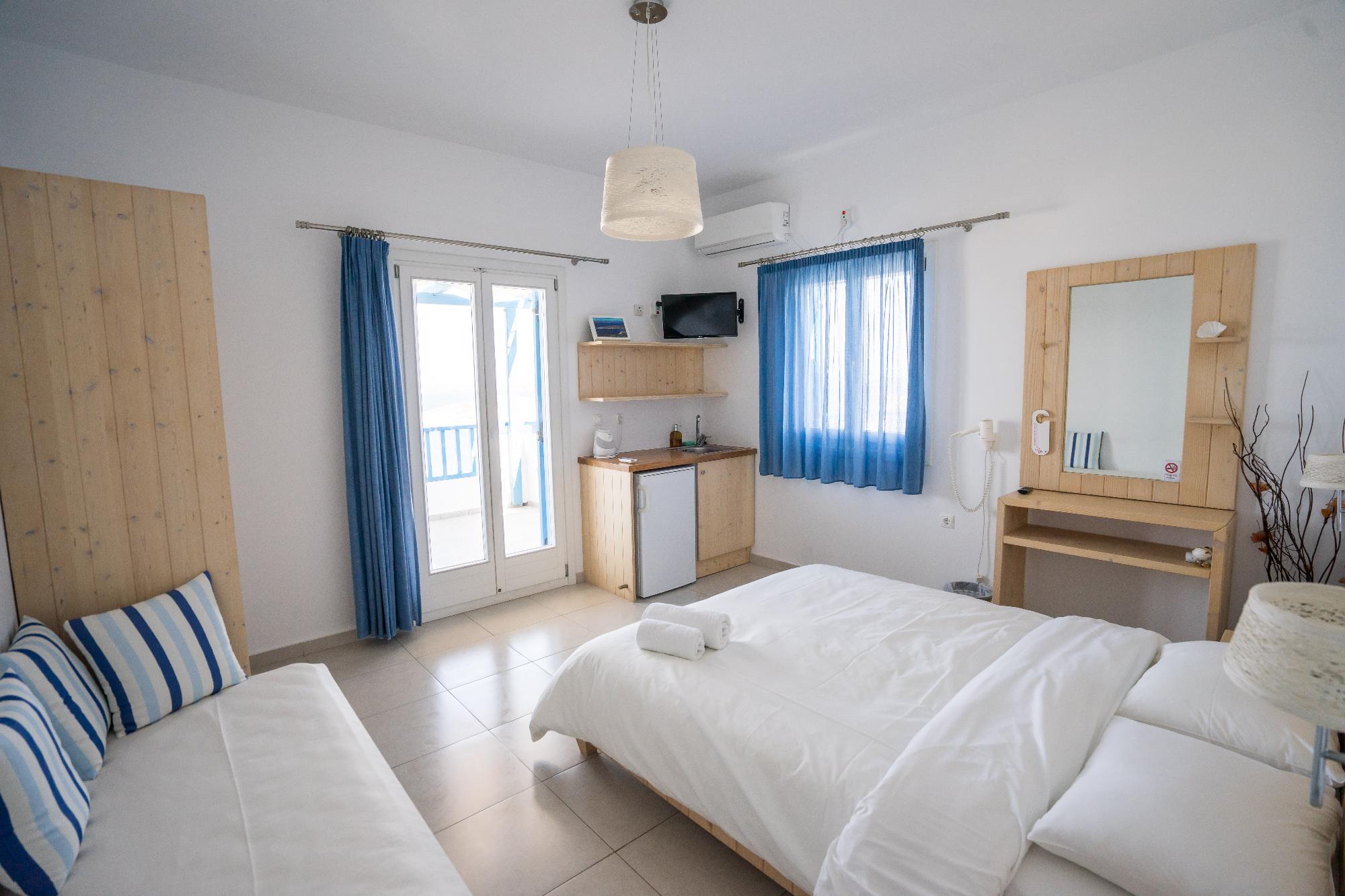
Στην κορυφή του χωριού του Αγίου Γεωργίου, ανάμεσα στο λιμάνι και στην παραλία Λιβάδι, το Meltemi Retreat προσφέρει πανοραμική θέα στα……
 住宿
住宿
Speires Suites
伊拉克
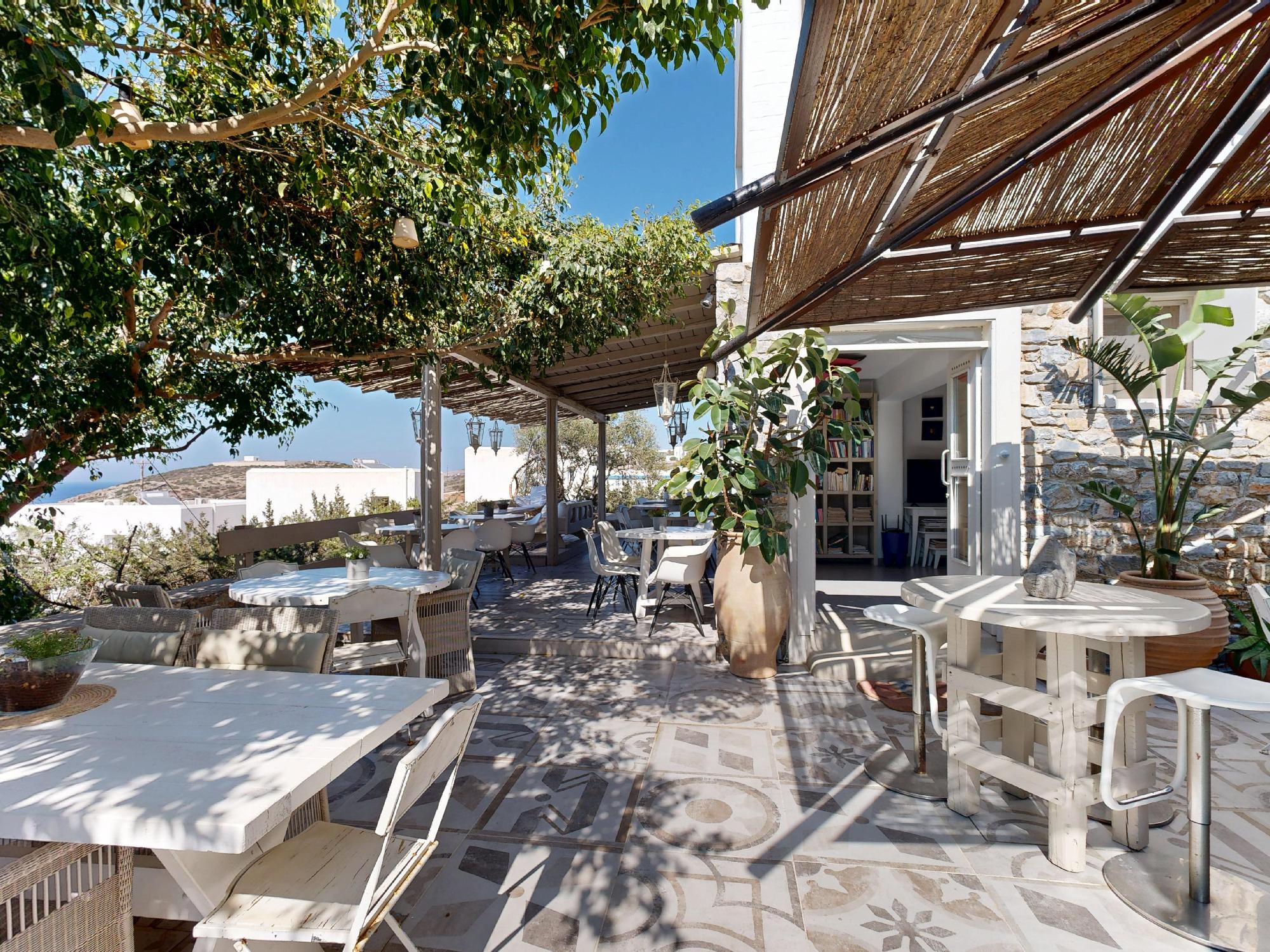
Η φιλοσοφία μας... Οι σπείρες δεν είναι μόνο ένα ξενοδοχείο, είναι προορισμός.... σε έναν τόπο αυθεντικό με λίγους κατοίκους και πολλές φυσικές ομορφιές... εδώ οι……
 住宿
住宿
AIOLOS HOTEL
伊拉克
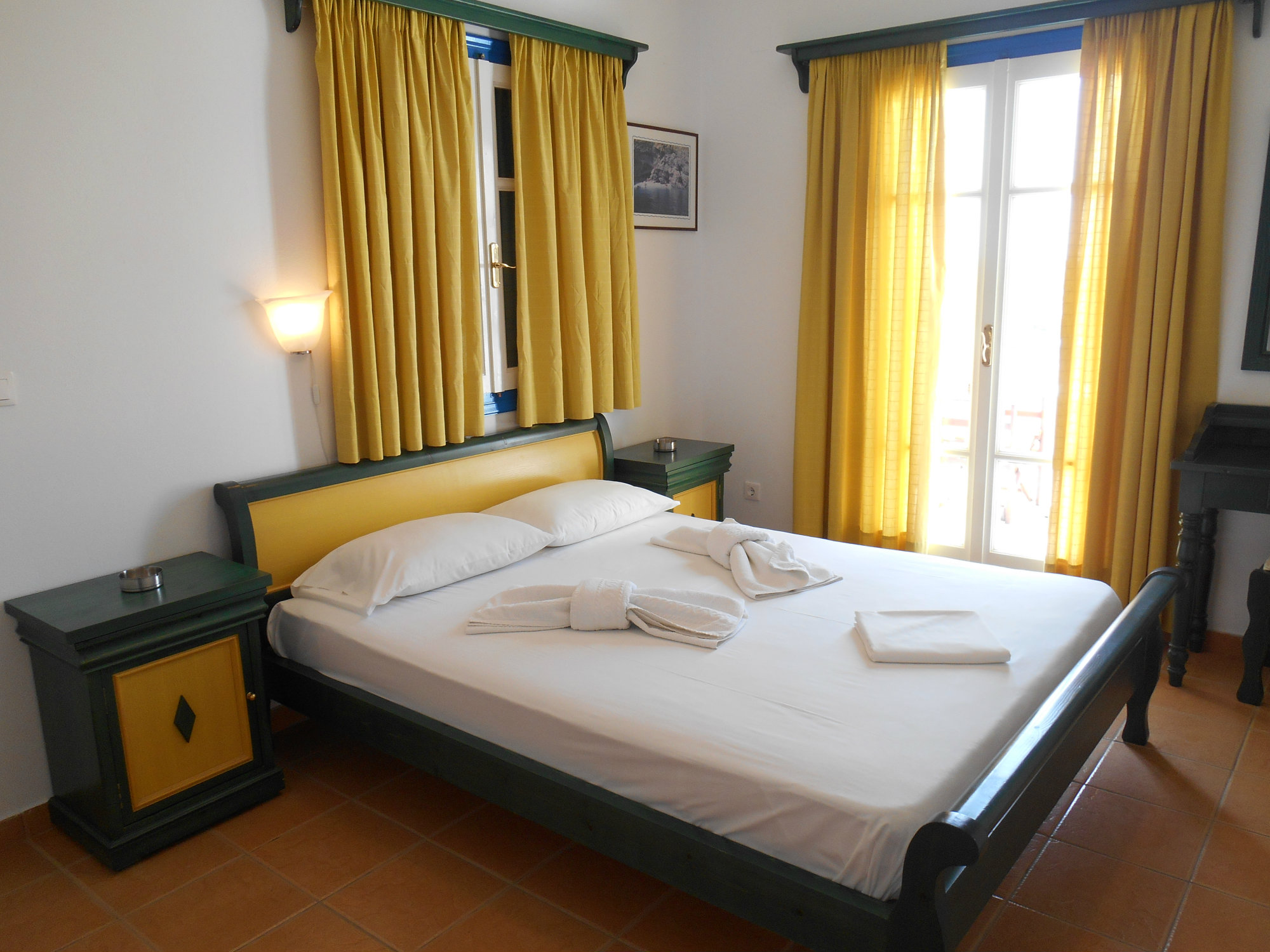
Απολαύστε μαγευτική θέα σε θάλασσα και ηλιοβασίλεμα από το μπαλκόνι σας και γευτείτε το πρωινό που σερβίρεται στο μπουφέ του……
 住宿
住宿
ΑΓΝΑΝΤΕΜΑ
AGGEORGIOSIRA
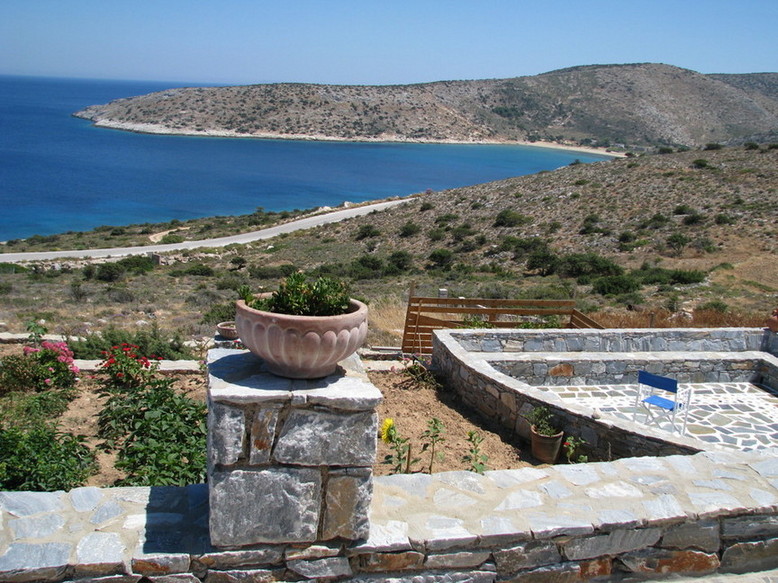
Το διάσημο ξενοδοχείο Αγνάντεμα βρίσκεται 5 λεπτά από την παραλία του Αγίου Γεωργίου, κοντά στο γραφικό λιμανάκι της Ηρακλειάς. Αντικρίζοντας την υπέροχη θέα στο……
 住宿
住宿
MAISTRALI ROOMS
AGGEORGIOSIRA
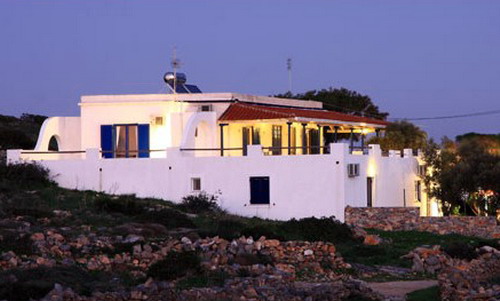
Στην Ηρακλειά το μεγαλύτερο σε έκταση αλλά το πιο ήσυχο νησί των Μικρών Κυκλάδων με μόλις 100 μόνιμους κατοίκους έχουμε……
 住宿
住宿
SUNSET
AGGEORGIOSIRA
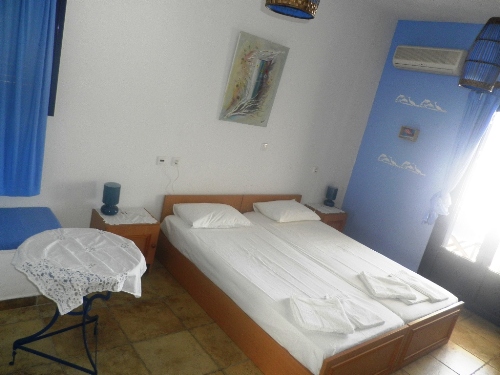
Το Ηλιοβασίλεμα είναι ένα ρομαντικό συγκρότημα αποτελούμενο από 4 δωμάτια τοποθετημένο σε ήσυχη τοποθεσία μόλις 500 από το λιμάνι και……
 住宿
住宿
VENETIKO STUDIOS
AGGEORGIOSIRA
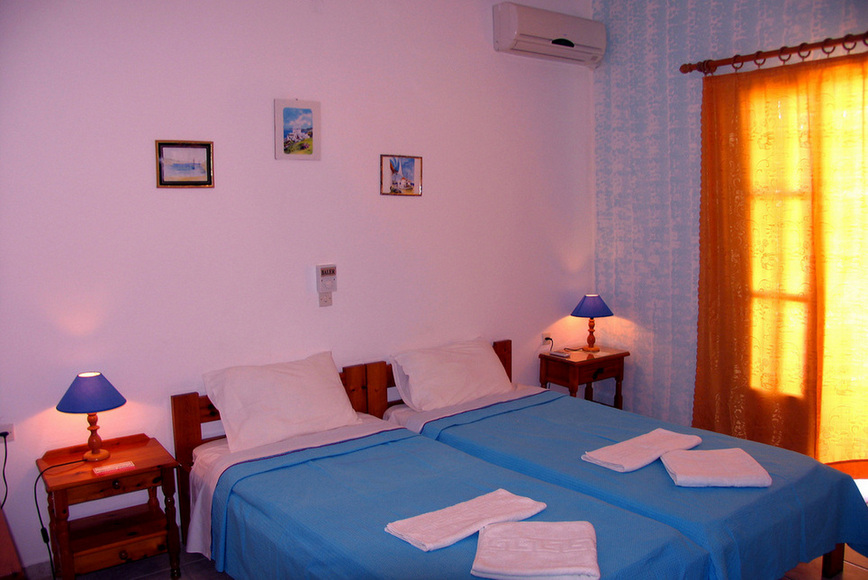
Στις μικρές κυκλάδες ,στην ανεξερεύνητη και πανέμορφη Ηρακλειά δημιουργήσαμε για σας τα «studios venetiko». Χτισμένα το 2006 σε υπερυψωμένη θέση……
 住宿
住宿
亚历山德拉
AGGEORGIOSIRA
Βρίσκεται κοντά στην παραλία Λιβάδι, στο χωριό Άγιος Γεώργιος. Κάθε δωμάτιο έχει δικό του λουτρό και υπάρχει μια κοινή κουζίνα.……
 食物
食物
米斯特拉尔
AGGEORGIOSIRA
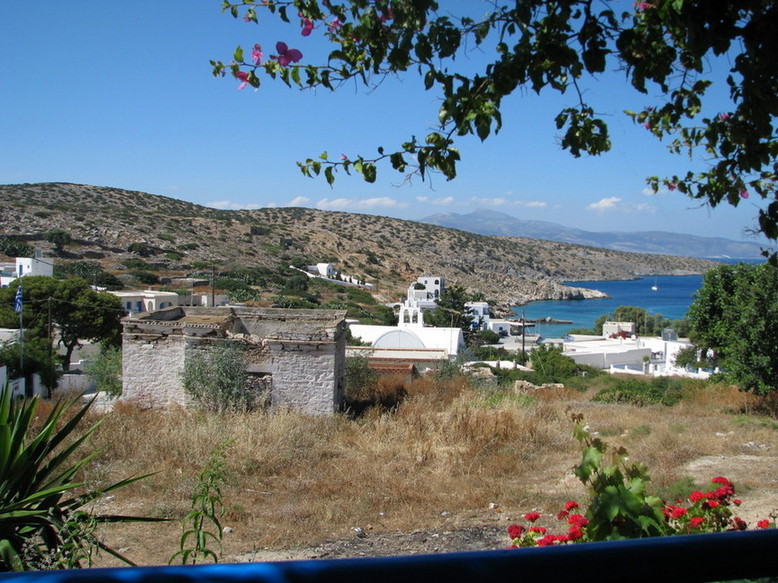
Απέχει 300μ. από το λιμάνι με θέα όλο το χωριό καθώς και το λιμάνι. Στη κουζίνα μας θα γευτείτε ντόπια……
 娱乐
娱乐
马库巴
LEIVADIIRA
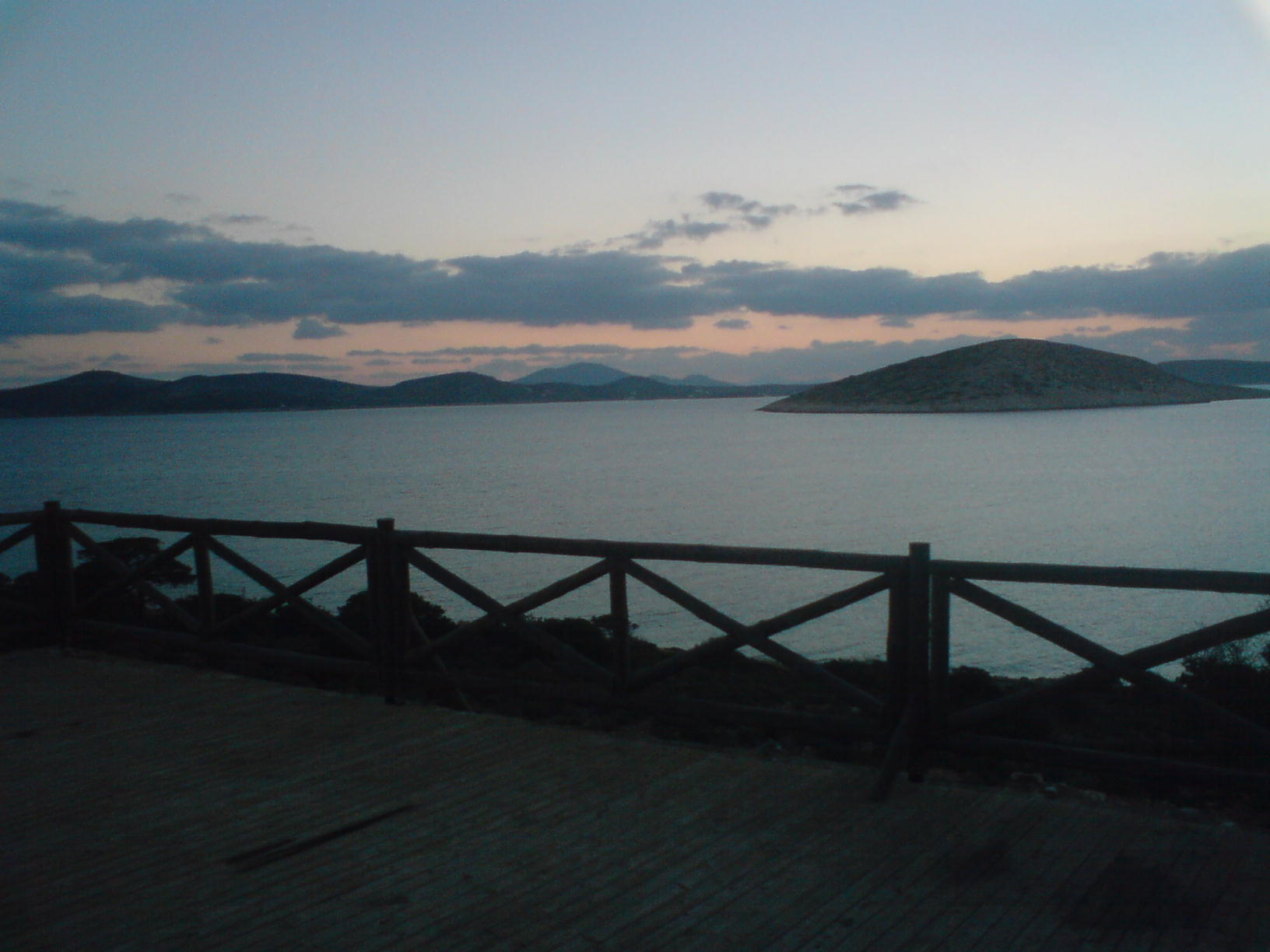
Makuba, ονομάζουν την άσπρη ενέργεια στη Βραζιλία.....ελάτε λοιπόν στο Makuba της Ηρακλειάς να αισθανθείτε την χαλαρωτική ατμόσφαιρα και με την……
 食物
食物
房子
PANAGIAIRA
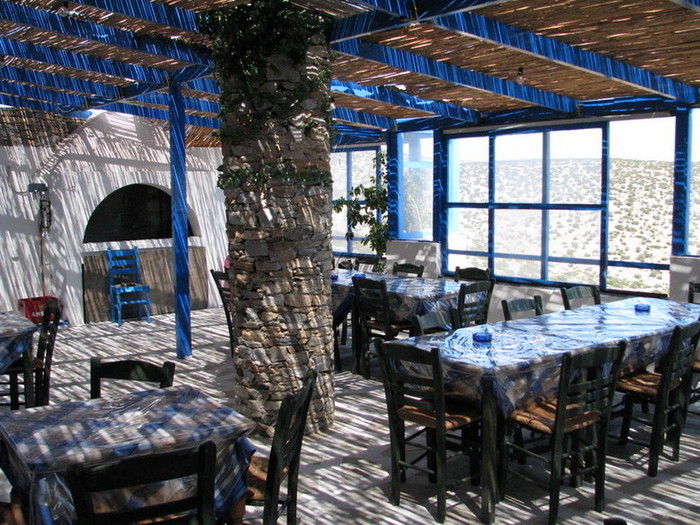
Στο στέκι της Αννιώς θα βρείτε σπιτικές γεύσεις με τοπικά προϊόντα. Χρησιμοποιούμε τοπικά προϊόντα όπως τη φάβα, το τυρί, δικό……
 娱乐
娱乐
巴拉基
AGGEORGIOSIRA
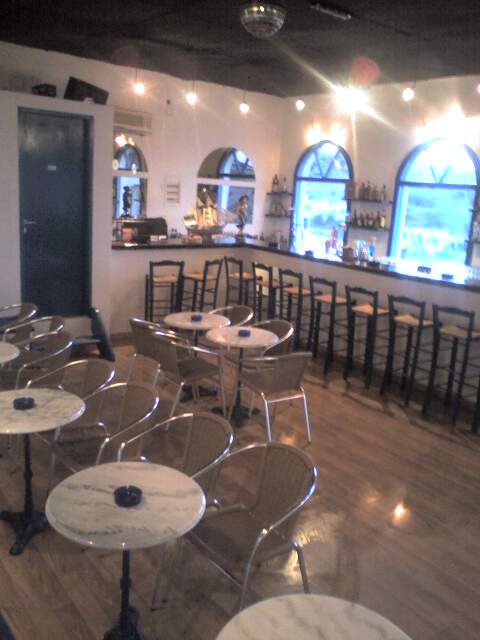
BARAKI το μοναδικό στέκι σύγχρονης ελληνικής διασκέδασης με ελληνική μουσική αλλά και τρελές πινελιές ξένης μουσικής. Ανοιχτά από την δύση……
 食物
食物
ΤΟ ΣΥΡΜΑ
AGGEORGIOSIRA
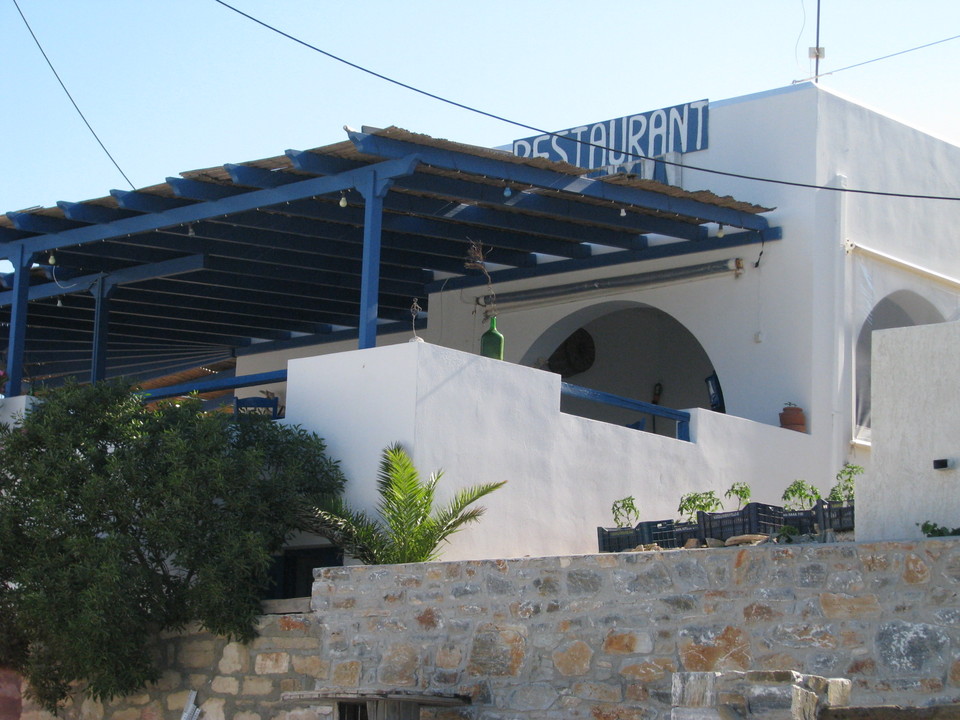
‘ΣΥΡΜΑ' λέγονται τα πέτρινα κτίρια που βρίσκονται σχεδόν μέσα στη θάλασσα και λειτουργούν σαν καρνάγια για την συντήρηση των παραδοσιακών……
 食物
食物
ΤΟ ΠΕΡΑΣΜΑ
AGGEORGIOSIRA
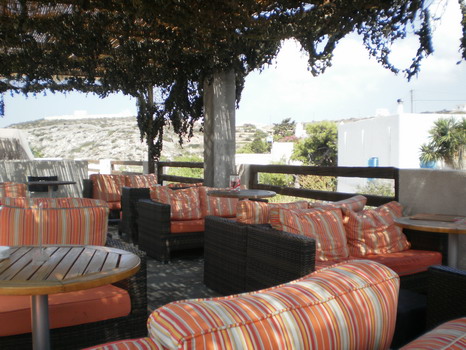
Snack bar-Κρεπερί "Το Πέρασμα", το γλυκατζίδικο του νησιού. Απέχει μόλις 100μ από το λιμάνι και την παραλία. Στο Πέρασμα από την……
 食物
食物
ΑΣΚΟΣ ΗΡΑΚΛΕΙΑ
伊拉克
 食物
食物
ΤΑΒΕΡΝΑ ΤΟ ΠΕΡΙΓΙΑΛΙ
AGGEORGIOSIRA
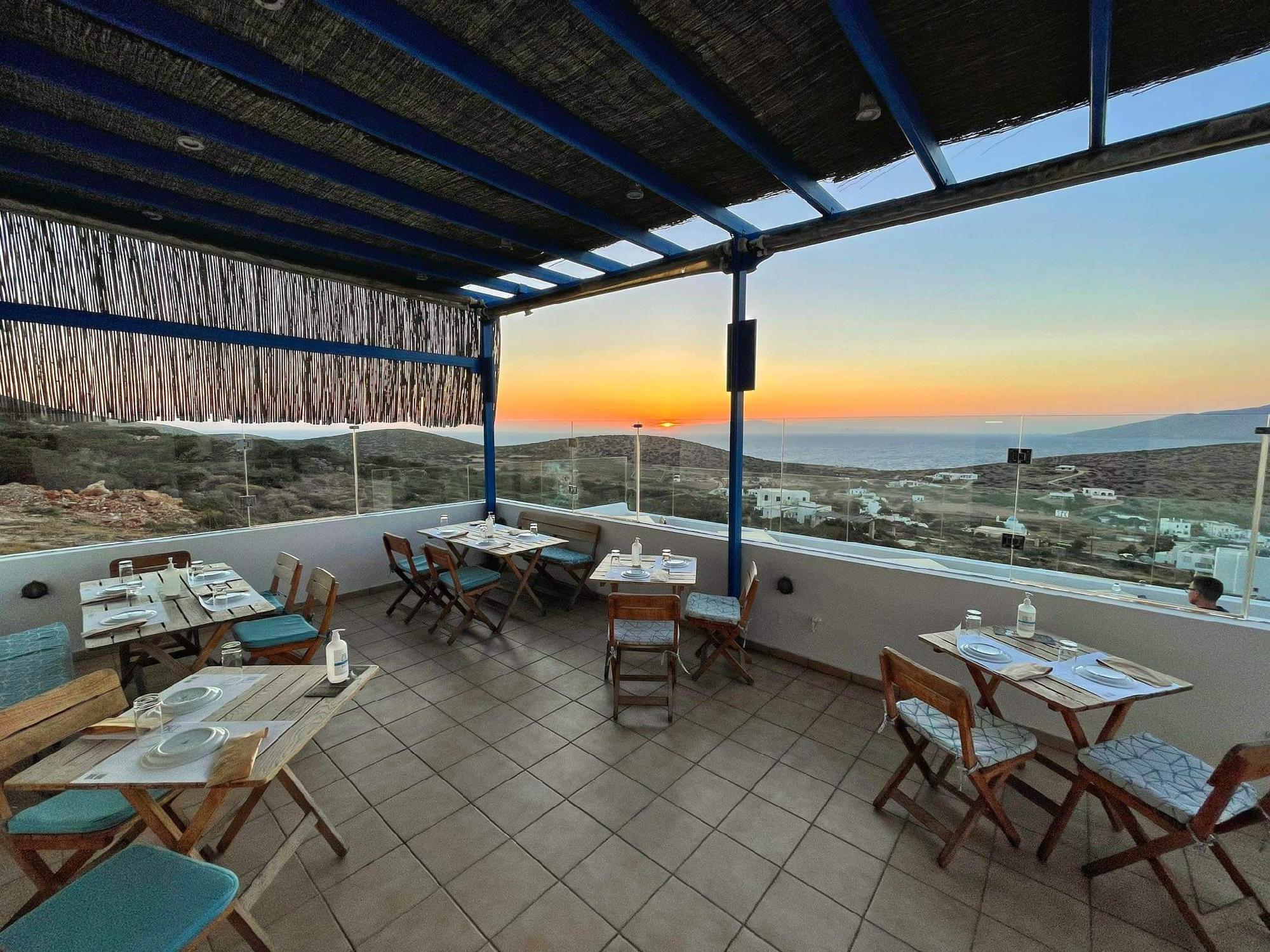
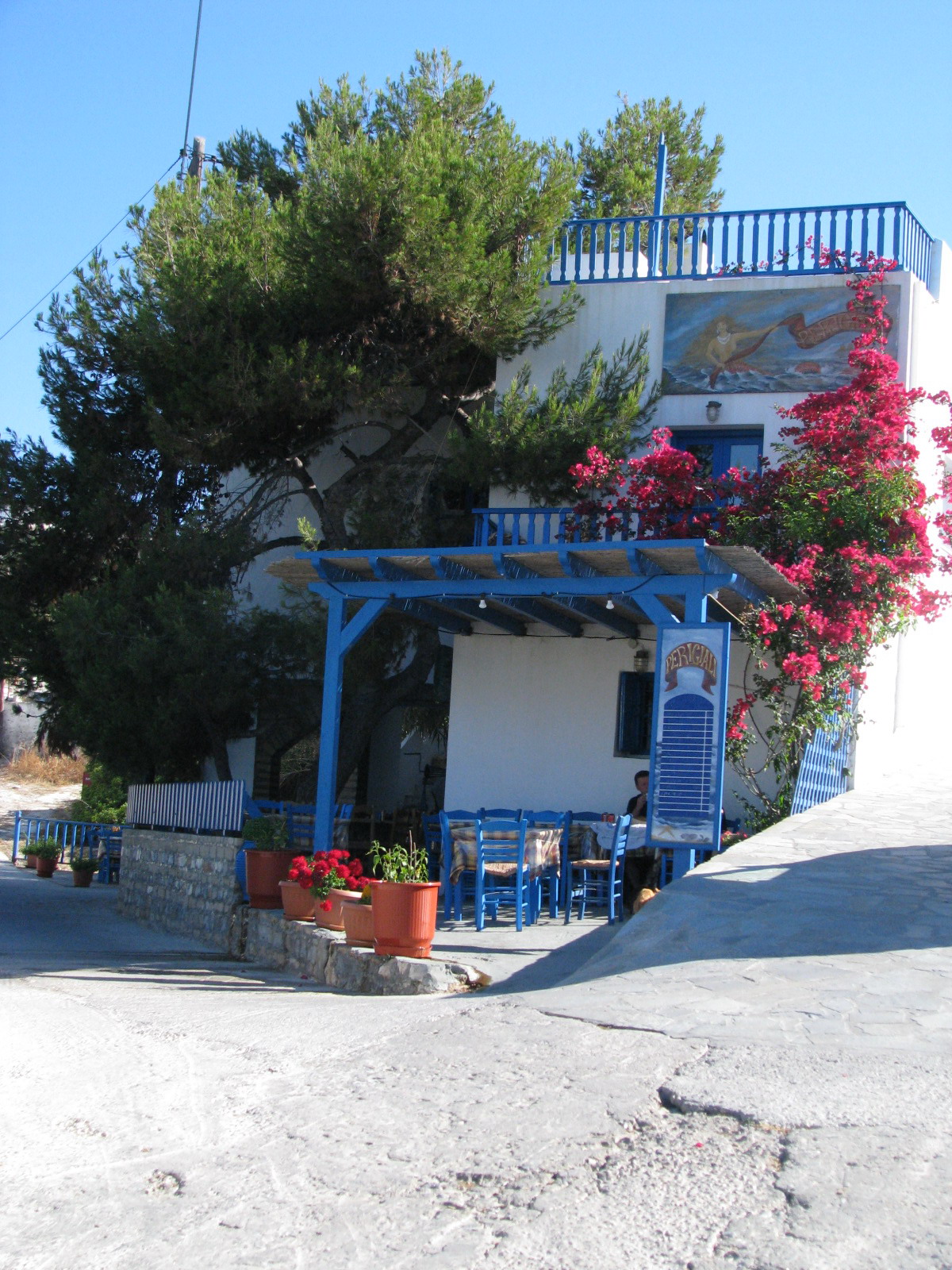
Στην παραλία του Αγίου Γεωργίου θα βρείτε το εστιατόριο «Το Περιγιάλι» με θέα το λιμάνι. Εκεί η καπετάνισσα Ακαθή ψήνει……
-
Livadi
The largest and most beautiful beach on the island, with golden sand and shallow, turquoise-green waters, a few minutes' walk from the port — overlooked by the ruins of an ancient tower.
-
Agios Georgios
The sandy beach within the port, calm and sheltered, with shallow waters ideal for children and tavernas right by the water.
-
Alimia
Iraklia's most exotic beach, on the south coast, with white sand and incredibly clear, turquoise waters — reached by boat or a long trail.
-
Tourkopigado
A secluded, hidden cove with pebbles and clean waters, approached via a hiking trail — ideal for absolute peace.
-
Karvounolakkos
A small, quiet beach near Livadi, with sand and shallow waters, without facilities — for a calm swim away from the crowds.
-
Vorini Spilia
A wild, isolated beach on the north side of the island, with pebbles and deep, crystal-clear waters, for explorers who aren't afraid of solitude.
-
Merichas
A small cove at the foot of the imposing cliffs of Merichas bay, with pebbles and pristine waters — accessible mainly by boat.
-
Xylobatis
A remote, wild pebble beach with deep, crystal-clear waters, far from the settlements.
-
Vala
A quiet, open sandy beach with golden sand and shallow waters, on the calmest stretch of the coast.
Access & transport
How to get there
Iraklia has no airport. The port at Agios Georgios is served by the local Small Cyclades boat (the Naxos–Koufonisia–Schinoussa–Iraklia–Amorgos line) as well as by ferry routes connecting it with Piraeus via Naxos, a few times a week.
Getting around the island
The island is small and getting around is mainly on foot, via the network of trails; during the summer months a small local vehicle connects the port with Panagia, while for remote Alimia there is a boat.
Ferry tickets
Useful phone numbers
Nearby islands
Combine Iraklia with the neighbouring Cyclades.
Cyclades aiTripPlanner
Ready for Iraklia?
Plan your own trip to Iraklia, day by day, tailored to you — with the help of the aiTripPlanner.