








14°
Wed
15°
Thu
17°
Fri
19°
Andros
The lush green island of the Cyclades — waters, trails, art and elegance
- 加夫里奥
- 2h from Piraeus
- 库瓦拉 (佩塔卢) 994米
- Hiking
- Art
- Nature
Culture
History & heritage
Andros has been inhabited since the Neolithic era, as attested by the prehistoric settlement of Strofilas with its rock carvings. In the Geometric period the fortified settlement of Zagora flourished, while in antiquity Paleopolis developed into a powerful maritime city that founded colonies in Chalkidiki (Akanthos, Stageira). The island particularly worshipped Dionysus, with the legend of a spring that flowed with wine.
In Roman and Byzantine times Andros became known for its silk production. After the Fall of Constantinople, in 1207 the Venetian Marino Dandolo received the island as a fief from Marco Sanudo, founder of the Duchy of the Aegean; the Kato Kastro was built in Chora, along with the Epano Kastro inland and towers in the countryside.
In 1566 Andros passed to the Ottoman Empire, retaining privileges and a living religious and educational tradition. A great figure of modern history was the scholar and revolutionary Theophilos Kairis, while the island took an active part in the 1821 Revolution and was incorporated into the Greek state.
In the 19th and 20th centuries Andros produced great shipowning families (Goulandris, Empeirikos, Polemis, Moraitis) that made the island one of the country's greatest maritime powers. Their wealth left behind neoclassical mansions, institutions, schools and the important Museum of Contemporary Art, establishing Andros as an island of culture and maritime grandeur.
Explore
Sights & Trails
Monasteries, castles, ancient towns and hiking routes.
Goulandris Museum of Contemporary Art
One of the most important art museums in Greece, in Chora, founded by Basil & Elise Goulandris, with a permanent sculpture collection (Tombros and others) and summer exhibitions of leading Greek and international artists that draw visitors from around the world.
Archaeological Museum of Andros
In Chora, home to the famous "Hermes of Andros", a Hellenistic sculpture inspired by Praxiteles, along with finds from ancient Paleopolis and Geometric-era Zagora.
Maritime Museum of Andros
On Riva Square next to the statue of the Sailor, honoring the island's great maritime and shipowning tradition with models, nautical instruments and heirlooms.
Statue of the Unknown Sailor & Kato Kastro
At the tip of the Chora peninsula, the bronze statue of the Sailor (a work by Michalis Tombros) looks out to sea; behind it, a stone arched bridge leads to the ruins of the Venetian Kato Kastro.
Tourlitis Lighthouse
The iconic lighthouse, built on a lone rock in the sea below the Kastro of Chora — the first automatic lighthouse in Greece and one of the island's most photographed spots.
Kaireios Library
Historic library and research center in Chora, dedicated to the memory of the scholar and revolutionary Theophilos Kairis, with rare manuscripts and archival material.
Panachrantou Monastery
An imposing 10th-century monastery, built like a fortress on a steep mountainside above Chora, with wonderful views and venerable relics — one of the oldest on the island.
Monastery of Zoodochos Pigi (Agia)
Historic 17th-century monastery near Batsi, with an important library, icons and relics, set in a quiet green environment.
Hellenistic Tower of Agios Petros
A cylindrical 20-meter tower from the Hellenistic period, one of the best preserved in the Aegean, near Gavrio.
Ancient Paleopolis
The island's ancient capital, a powerful maritime city that founded colonies in Chalkidiki; today ruins of walls, an agora and temples survive, and it is here that the Hermes of Andros was found.
Zagora Archaeological Site
An important Geometric-era settlement (9th–8th century BC) on a fortified headland in the southwest, one of the best-preserved examples of an early Cycladic town.
Pithara Waterfalls
A lush green spot near Apoikia, with small pools, waterfalls and plane trees — a popular stop on the spring hiking trails.
Andros Olive Museum (Pitrofos)
In Pitrofos, this museum revives the island's olive-growing tradition with old olive presses, tools and hands-on exhibits.
Kydonieos Foundation
A cultural foundation in Chora, known for its significant art exhibitions and the summer "Oi Ploes" festival.
Monastery of Agios Nikolaos (Achla)
A monastery dating from 1560 above Achla beach, with Byzantine icons and a serene view over the island's northern coast.
Local flavour
Andros is an island that you discover gradually and fall in love with its landscapes. What makes it stand out is its abundance of water and fertile land. Although its inhabitants became better known as sailors and merchants, it also has a notable agricultural and livestock history. Its culinary tradition is a blend of local recipes along with cosmopolitan habits brought by the island's traveling inhabitants and others left behind by conquerors. The most prominent of these are from the Venetian rule, such as the fondness for sugar and all things sweet. Another important element of the local gastronomy is the existence of two pasta factories since 1914. This perhaps explains the lack of many handmade pasta varieties. However, if we must crown one dish as the star of Andrian cuisine, it is the fourtalia, their version of the omelet, in many particularly tasty variations.
Find what you need
Accommodation, restaurants, activities and local products of the island.
Locations come live from the official Cyclades business directory.
 住宿
住宿
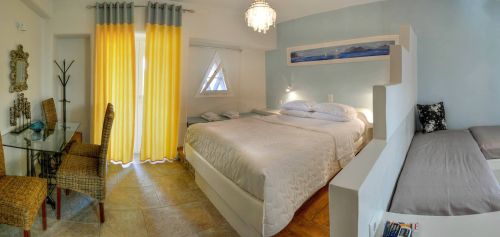
AEGEAN CASTLE
Andros
Το ξενοδοχείο αναδύεται από το περιβάλλον και είναι πλήρως εναρμονισμένo με αυτό. Είναι τοποθετημένo αμφιθεατρικά, απομονωμένo, ανάμεσα σε ελαιώνες, αμπελώνες……
 住宿
住宿
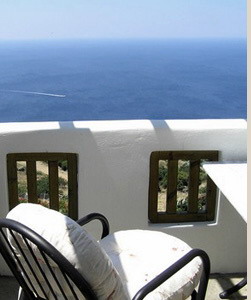
ΑΛΘΕΑ
Andros
Η μοναδική αρχιτεκτονική, σε συνδυασμό με το υπερπολυτελέστατο κτίσμα Ανδριώτικης πέτρας, συναντά το σύγχρονο πρόσωπο της πολυτελούς φιλοξενίας, σε ένα……
 住宿
住宿
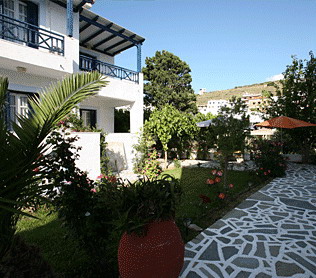
MAISTRALI STUDIOS
Andros
Στο Μπατσί, το γραφικό λιμανάκι της Άνδρου, δημιουργήσαμε το συγκρότημα ΜΑΪΣΤΡΑΛΙ STUDIOS (Α' Κατηγορίας) για να φιλοξενήσουμε εδώ τις πιο……
 住宿
住宿
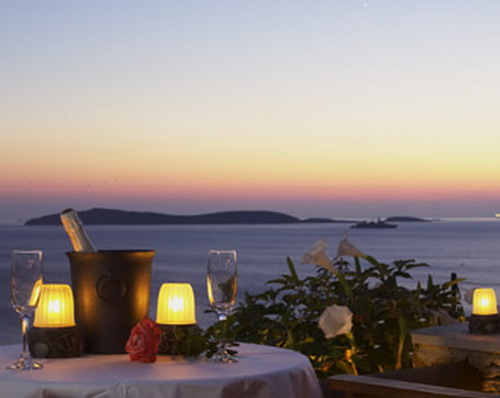
BLUE BAY
Andros
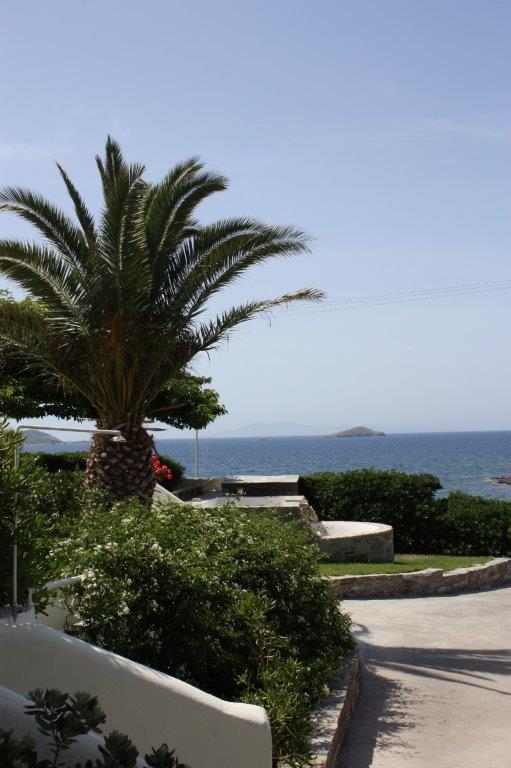
To Blue Bay Hotel έχει σχεδιαστεί ειδικά και αποκλειστικά για κάνοντας τις διακοπές σας μια μοναδική εμπειρία, με σεβασμό την……
 住宿
住宿
ΑΚΤΙΟ
Andros
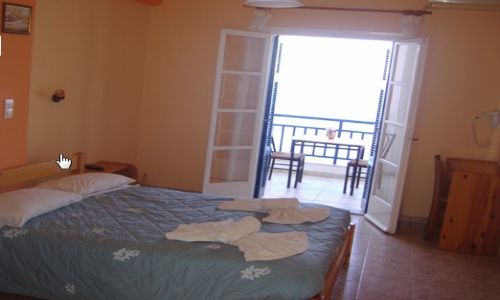
Το Aktio Studios είναι μια μονάδα φιλοξενίας στην Άνδρο που λειτουργεί όλο το χρόνο παρέχοντας τη δυνατότητα στον επισκέπτη να……
 住宿
住宿
SUNSET STUDIOS
Andros
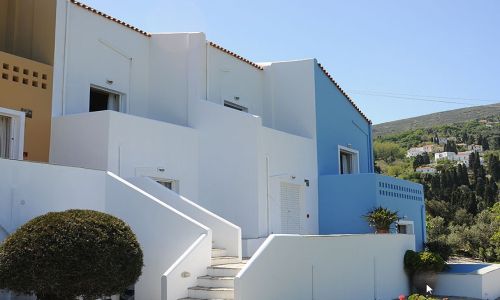
Σας καλωσορίζουμε σε ε΄να από τα ωραιότερα νησιά του Αιγαίου με γλυκό κλίμα, καταπράσινη φύση, πεντακάθαρες παραλίες με άμμο και……
 住宿
住宿
9 MUSES
Andros
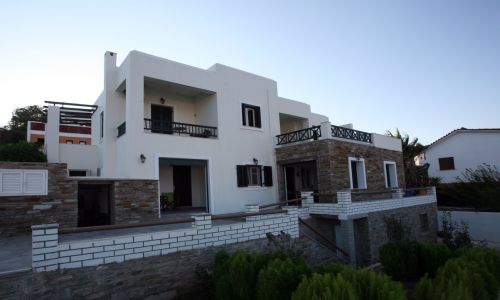
Στη Μικρά Αγγλία των Κυκλάδων, στη γραφική Άνδρο σας περιμένουν οι 9 Μούσες. Δίπλα στην κοσμοπολίτικη Χώρα, οι «9 Μούσες»……
 住宿
住宿
AL MAR
Andros
Καλωσήρθατε στα διαμερίσματα Almar! Απολαύστε αξέχαστη διαμονή στο συγκρότημα Almar στην Άνδρο μόλις 40μ. από την παραλία Μπατσίου. Στην γραφική……
 娱乐
娱乐
ΚΑΦΩΔΕΙΟΝ
Andros
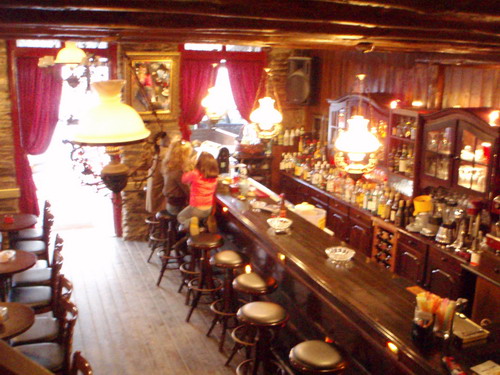
Απέναντι από το κοσμοπολίτικο λιμάνι του Γαυρίου, εκεί που ¨σκάει το κύμα¨ της διασκέδασης, συναντάμε το ¨ΚΑΦΩΔΕΙΟΝ¨, ένα café-bar για……
 娱乐
娱乐
CENTRO BAR
Andros
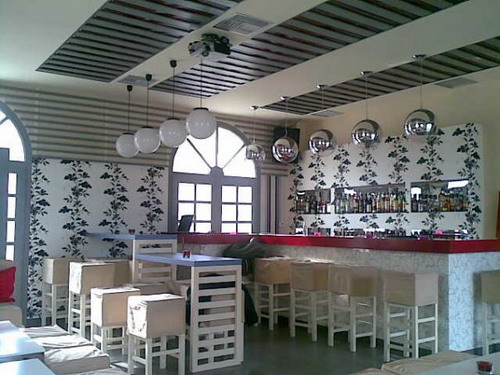
Η επιχείρηση μας βρίσκεται στον Όρμο Κορθίου προσφέροντας μια λαμπρή θέα προς τη θάλασσα. Λειτουργεί όλο το χρόνο προσφέροντας……
 娱乐
娱乐
MOOMBA OPEN BAR - CAFE
Andros
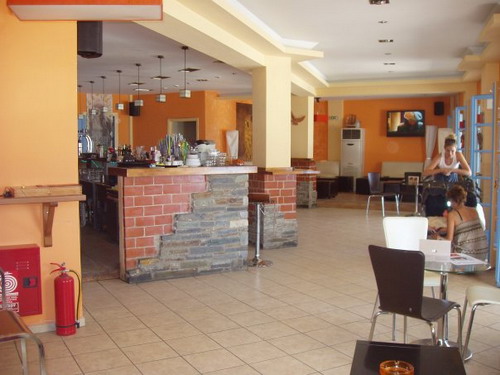
Μια ξεχωριστή πρόταση για το καλοκαίρι, σε ένα ανοικτό χώρο δίπλα στην θάλλασα. Απο νωρίς για καφέ και σνάκς και……
 娱乐
娱乐
SWELL CAFE
Andros
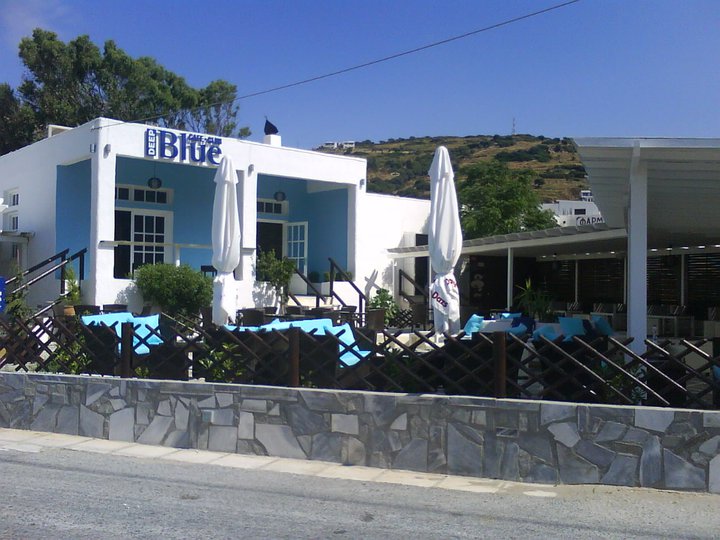
Σε ένα ειδυλιακό περιβάλλον με θέα την θάλασσα, βρίσκεται το SWELL CAFE. Μπορείτε να απολαύσετε τον καφέ σας, ή το ποτό……
 娱乐
娱乐
BLUE BAREL
Andros
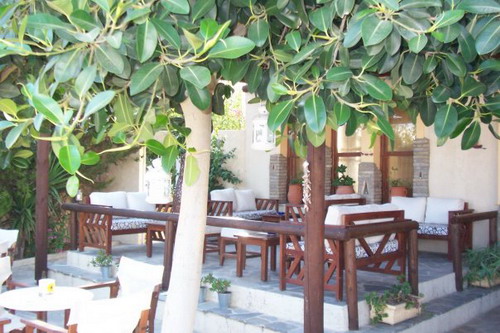
All day cafe and night club στην Παραλία Μπατσίου. Σε ένα μαγευτικό περιβάλλιον με θέα την θάλασσα θα απολαύσετε τον……
 娱乐
娱乐
ΑΠΟΜΕΡΟ CAFE
Andros
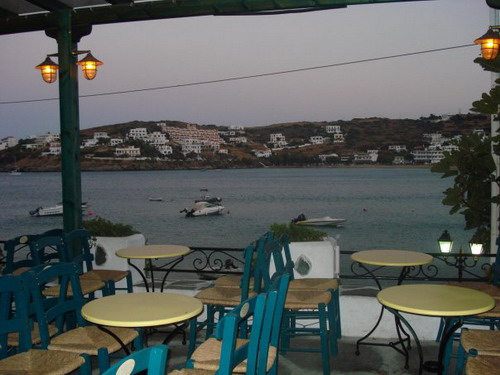
APOMERO CAFE Απολαύστε τον καφέ ή το ποτό σας με θέα όλη την Άνδρο και το απέραντο γαλάζιο του Αιγαίου!……
 娱乐
娱乐
CAPRICCIO BAR
Andros
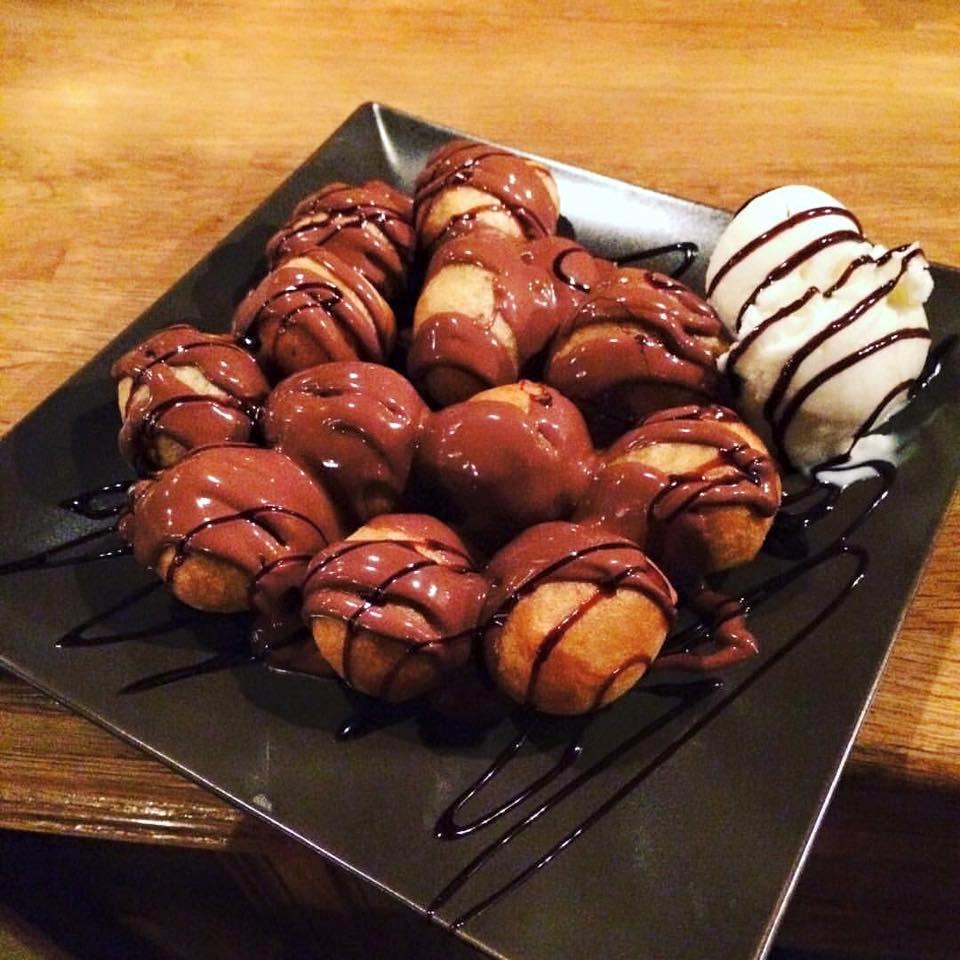
Lounge Cafe - Night Club Capriccio **Like here...NOWHERE ! ! ! !** ***The hottest spot in Andros ! ! !***
 娱乐
娱乐
ΛΑΑΣ
Andros
Η παραδοσιακή πέτρα στο χώρο μας (η οποία πήρε και το όνομα της η επιχείρηση) και ο πολύχρωμος συνδυασμός χρωμάτων……
 活动
活动
ONE FOOT FORWARD
Andros
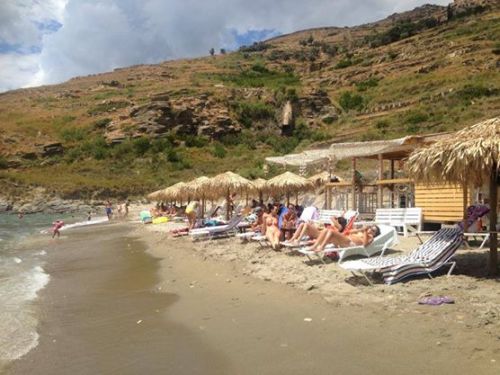
One of the best spots to enjoy the view to Korthi Bay and one of the most colourfull sunrising of……
 活动
活动
COPPER BEACH BAR
Andros
 当地产品
当地产品
ΑΡΧΟΝΤΙΣΣΑ ΤΟΥ ΑΙΓΑΙΟΥ
Andros
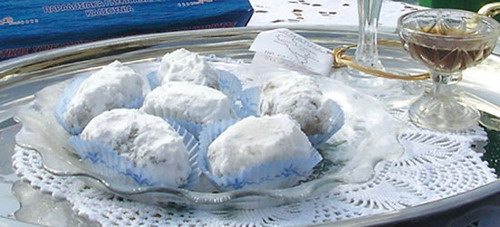
Ο Αγροτικός Συνεταιρισμός Γυναικών Δήμου Υδρούσας "Η Αρχόντισσα του Αιγαίου" ιδρύθηκε το 2006. Μέλη της είναι γυναίκες από την ευρύτερη……
 当地产品
当地产品
ΔΗΜΗΤΡΙΟΣ K. ΛΑΣΚΑΡΗΣ
Andros
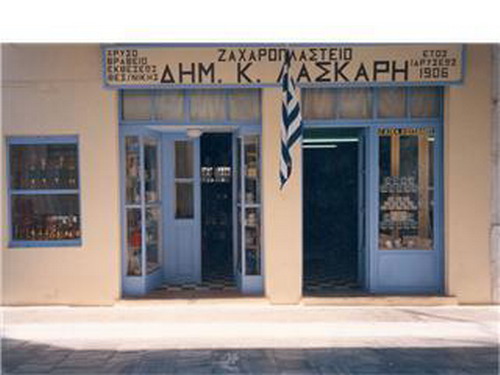
ΙΣΤΟΡΙΑ 100 χρόνια γλυκιάς ιστορίας...Το 1906 στην Χώρα της Άνδρου, ανοίξαμε το πρώτο ζαχαροπλαστείο. Παρόλου που όλες οι χρυσοχέρες ανδριώτισες……
 当地产品
当地产品
ΤΥΡΟΚΟΜΙΚΑ ΑΝΔΡΟΥ ΚΡΕΒΑΣΑΡΑ
Andros
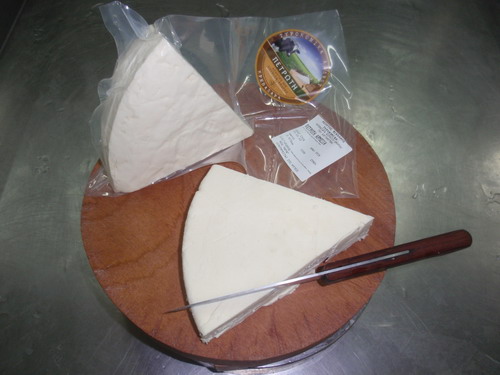
Το μικρό τυροκομείο της οικογένειας Ασούτη, το τυροκομείο "Κρεβασάρα", βρίσκεται έξω από το Κόρθι της Ανδρου και ξεκίνησε τυροκομώντας πολλά……
 当地产品
当地产品
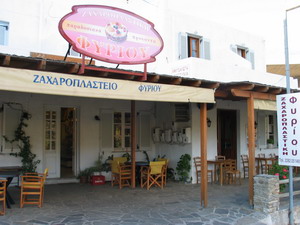
ΖΑΧΑΡΟΠΛΑΣΤΕΙΟ ΚΑΛΛΙΒΡΟΥΣΗΣ
Andros
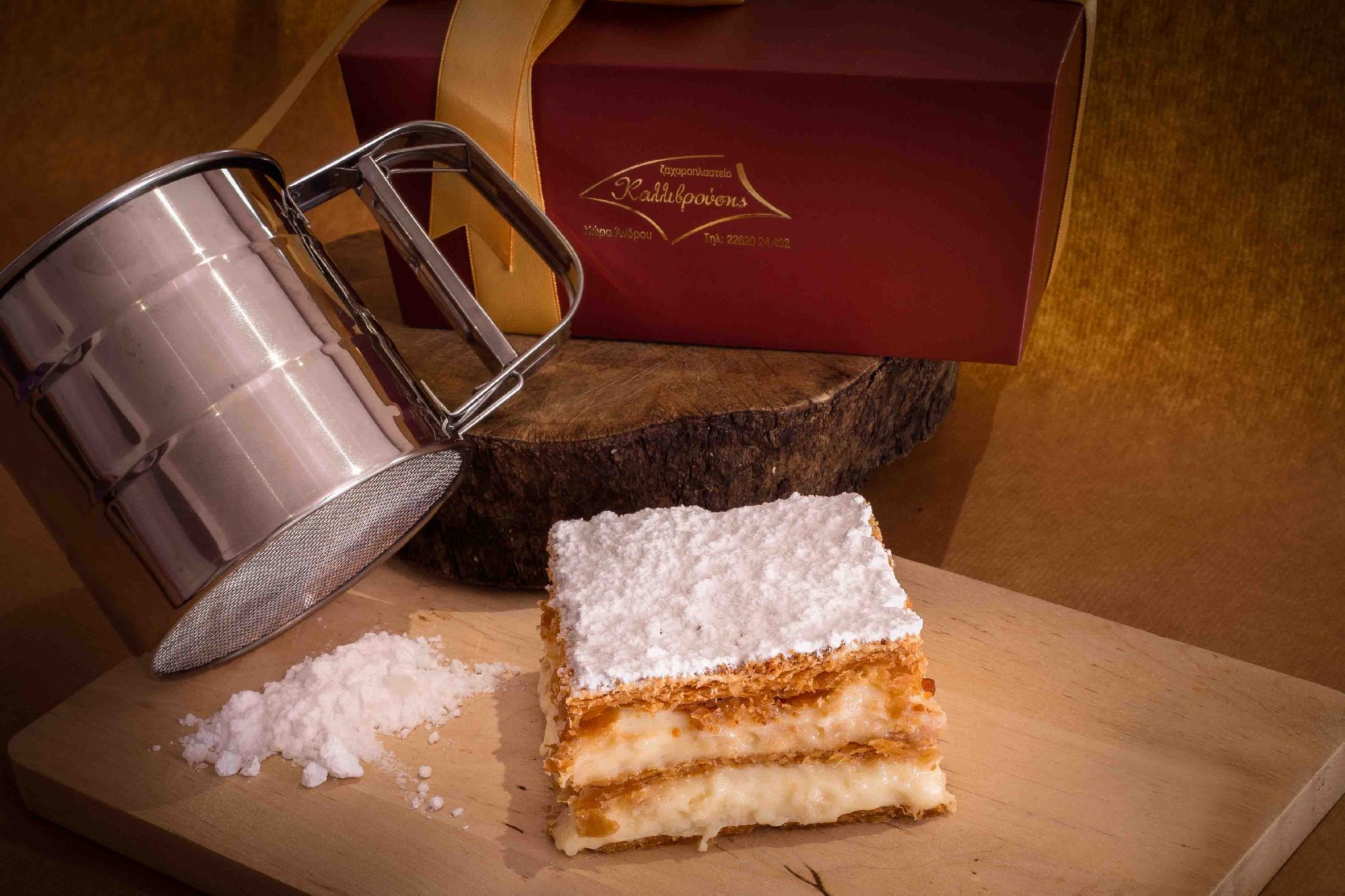
Είμαστε της παλιάς σχολής! Τα γλυκά που θα βρείτε στο Ζαχαροπλαστείο Καλλιβρούσης ακολουθούν τις τεχνικές της παλιάς ζαχαροπλαστικής. Σύμφωνα με την παράδοση της Άνδρου, τα……
 当地产品
当地产品
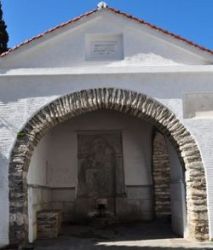
ΖΑΧΑΡΟΠΛΑΣΤΙΚΗ ΦΥΡΙΟΥ
Andros
Ξεκινήσαμε το 1982 το δικό μας ζαχαροπλαστείο στην Άνδρο αφού πρώτα μάθαμε τη ζαχαροπλαστική τέχνη σε εργαστήρια της πόλης μας……
 当地产品
当地产品
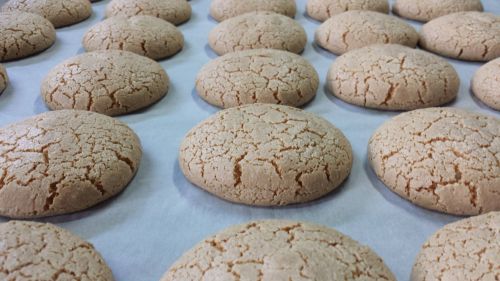
ΠΗΓΗ ΣΑΡΙΖΑ SOURCE
Andros
Κατά το 1929 ξεκινά επίσημα η εμπορική εκμετάλλευση της πηγής από την ‘’Ανώνυμος Εμπορική Εταιρία ΣΑΡΙΖΑ’’ όπου η ίδια κατασκεύασε……
 当地产品
当地产品
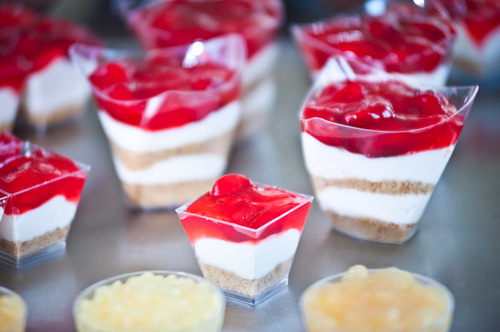
ΖΑΧΑΡΟΠΛΑΣΤΕΙΟ ΛΥΓΙΖΟΣ
Andros
ΑΠΟ ΤΟ 1986 ΕΩΣ ΚΑΙ ΣΗΜΕΡΑ ΤΟ ΖΑΧΑΡΟΠΛΑΣΤΕΙΟ ΛΥΓΙΖΟΣ ΕΧΕΙ ΕΝΑΝ ΚΑΙ ΜΟΝΟ ΣΤΟΧΟ: ΝΑ ΔΙΑΤΗΡΗΣΕΙ ΤΗΝ ΠΑΡΑΔΟΣΗ ΚΑΙ ΤΗΝ……
 当地产品
当地产品
ΖΑΙΡΗΣ
Andros
Kάνοντας ένα γευστικό ταξίδι στην Άνδρο, επιβάλλεται να δοκιμάσετε τις παραδοσιακές γεύσεις του ζαχαροπλαστείου "Zαίρης". παραδοσιακές συνταγές του νησιού που……
-
Nimborio
The central, organized beach next to Chora, ideal for a quick swim with a view of Kato Kastro.
-
Paraporti
On the other side of the Chora peninsula, an open, wavy beach for those who love a lively sea.
-
Chrysi Ammos
The "Golden Beach" with fine golden sand and shallow waters, near Batsi — popular and family-friendly.
-
Lykio
Popular, organized beach right in Batsi, with taverns and amenities beside the picturesque little harbor.
-
Kypri
Large, well-organized beach with shallow waters just north of Batsi, ideal for families.
-
Aneroussa
Beautiful, picturesque beach near Aprovato, with calm waters and a wonderful view of the surrounding islets.
-
Fellos
A series of small coves with sand and pebbles in the northwest, near Gavrio — quiet spots for relaxation.
-
Achla
Impressive, hard-to-reach beach at a river mouth, set in lush green landscape — one of the finest on Andros.
-
Zorkos
Large, open bay with golden sand in the north, isolated and pristine, for those seeking solitude.
-
Vitali
Isolated cove with pebbles and crystal-clear waters in the north, set within a wild, rocky landscape.
-
Ateni
Two deep, fjord-like coves in the north, sheltered and almost always deserted, with crystal-clear waters.
-
Tis Grias to Pidima
The island's most photographed beach, with its distinctive lone rock rising from the water, near Korthi.
-
Batsi
The central, cosmopolitan sandy beach of picturesque Batsi, with shallow waters, tavernas and cafes right on the shore.
-
Gialia
An organized sandy beach near Chora, on the road to Stenies, shaded by pine trees down to the water's edge.
-
Syneti
A picturesque cove in the south, with emerald waters and striking rocks, right next to the village of the same name.
-
Plaka
A remote sandy beach on the west coast, with wild natural beauty and hardly any crowds.
Access & transport
How to get there
Andros has no airport. The port of Gavrio is connected daily with Rafina (about 2 hours) — the closest Cycladic island to Attica — as well as with Tinos and Mykonos, on the well-known northern ferry route.
Getting around the island
A local KTEL bus connects Gavrio – Batsi – Chora – Korthi, but for the mountain villages, wild beaches and trailheads, renting a car or scooter is the most convenient option.
Ferry tickets
Useful phone numbers
Nearby islands
Combine Andros with the neighbouring Cyclades.
Cyclades aiTripPlanner
Ready for Andros?
Plan your own trip to Andros, day by day, tailored to you — with the help of the aiTripPlanner.